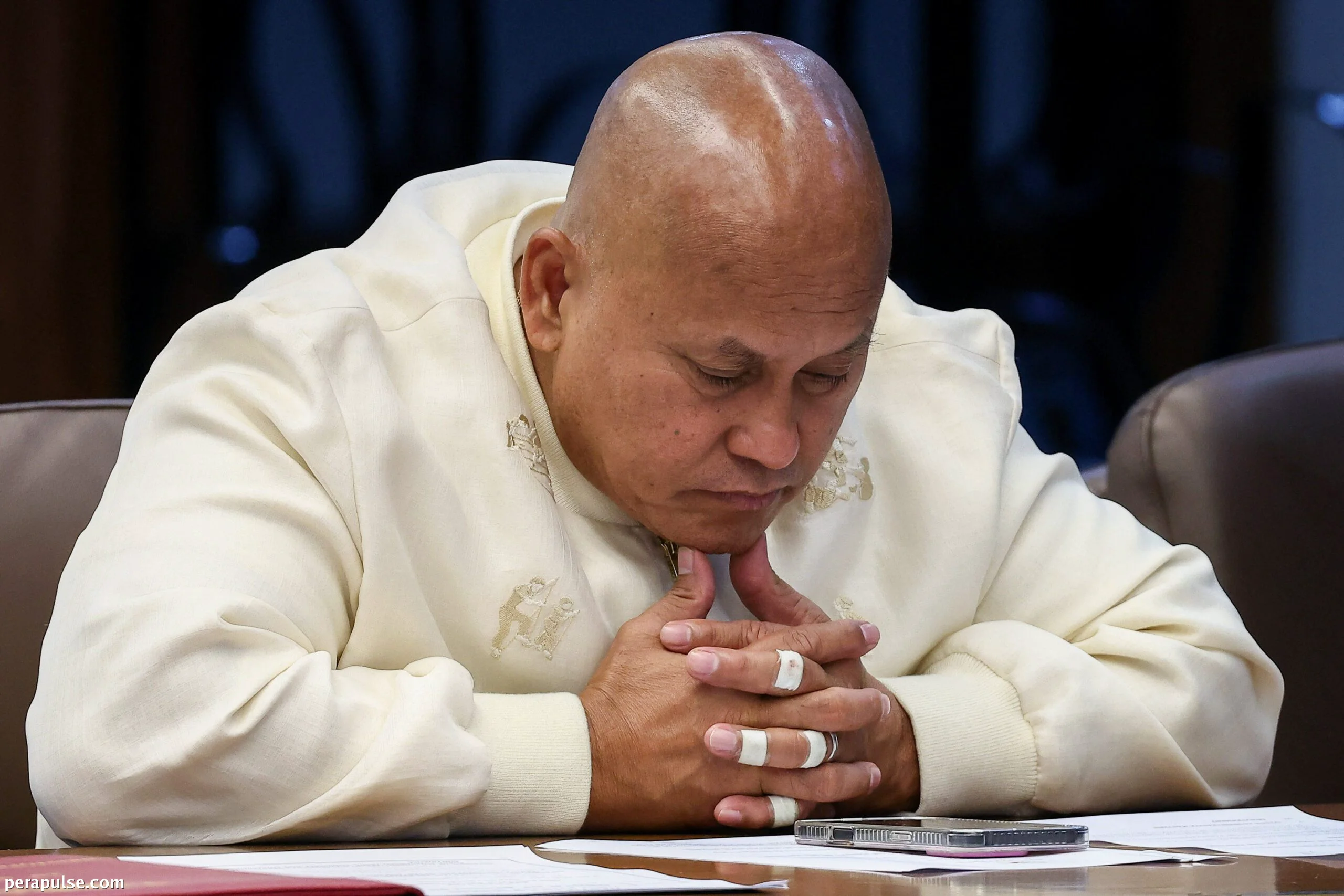
The arrest warrant issued by the International Criminal Court (ICC) for Senator Ronald "Bato" dela Rosa has prompted discussions about the legal consequences facing those who might assist him in evading arrest.
Legal Experts Weigh In on Obstruction of Justice
"If the Senate blocks the surrender, that is actually obstruction of justice under the law," said retired Supreme Court Justice Antonio Carpio.
Dela Rosa's allies, including Senate President Alan Peter Cayetano, have argued against the validity of the ICC warrant. They claim that no senator can be arrested within the Senate premises, a statement contradicted by examples from past events, including the arrests of former Senators Leila de Lima and Antonio Trillanes IV. This misinformation raises critical legal questions about the protection of lawmakers.
In light of these events, the National Bureau of Investigation (NBI) is considering filing obstruction of justice complaints. Carpio emphasized that preventing law enforcement from executing a valid warrant is a prosecutable offense.
The legal framework surrounding the ICC warrants is complex. Republic Act No. 9851 allows the Philippines to enforce international warrants, including those from the ICC. This legislation suggests that even those who claim parliamentary immunity may still be liable for facilitating Dela Rosa's escape.
Ombudsman Jesus Crispin Remulla confirmed that his office is investigating potential offenses linked to Dela Rosa's Senate escape, including aiding and abetting criminal acts.
The ICC's Article 70 addresses obstruction of justice but does not explicitly include harboring fugitives. However, legal experts like ICC-accredited counsel Gilbert Andres argue that the scope of Philippine law under RA No. 9851 is broad enough to encompass these actions.
As the situation unfolds, the implications go beyond Dela Rosa's individual case. They highlight broader concerns regarding the rule of law and the accountability of public officials in the Philippines, especially in light of ongoing ICC investigations into alleged crimes against humanity during the Duterte administration.