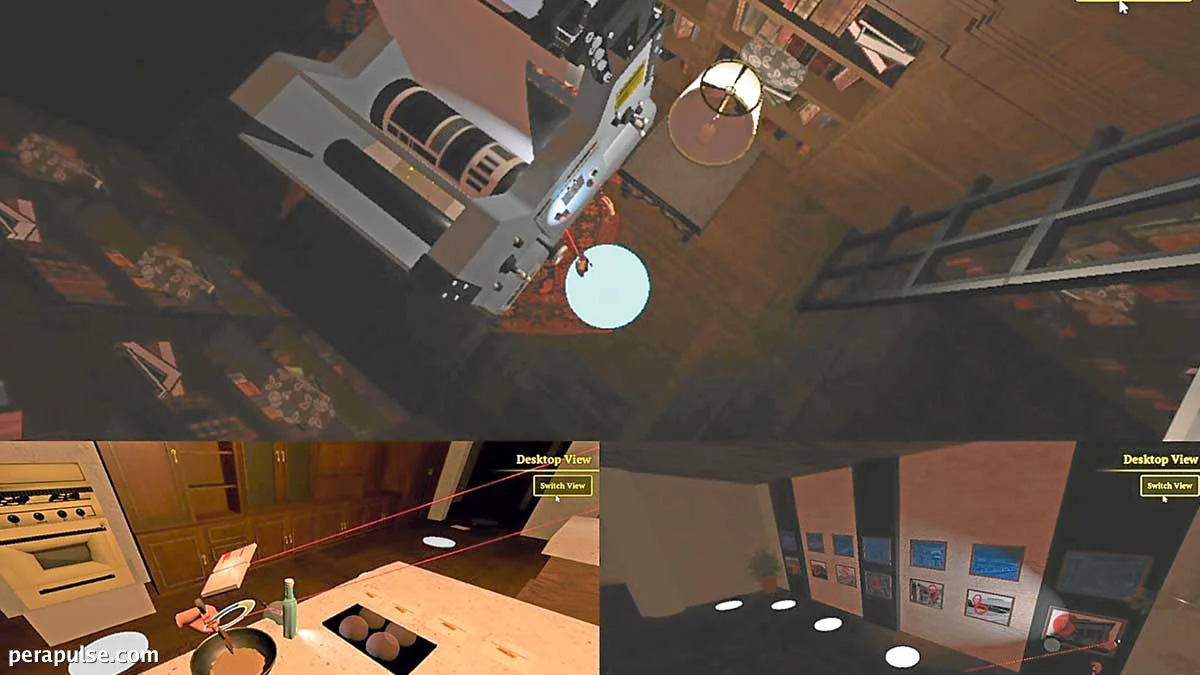
Inilunsad ng Ateneo de Manila University ang isang makabagong larong virtual reality (VR) na pinamagatang "Heritage Hero: Secrets of the ‘Golden Era,’" na dinisenyo upang makipag-ugnayan ang mga manlalaro sa mga makasaysayang realidad ng panahon ng batas militar.
Isang Kasangkapan sa Edukasyon para sa Kabataan
Isang bagay na magagawa ng virtual reality ay talagang ilagay ka sa sitwasyong iyon ngunit, sa parehong oras, hindi ito magiging paraan na magdudulot ng banta sa kaligtasan ng tao.
(cite: Eric Cesar Vidal, Technical Head of Ateneo VAMR)
Ang karanasang VR na ito ay nagbibigay-daan sa mga manlalaro na tuklasin ang isang mansyon na kahawig ng panahon, na humaharap sa iba't ibang hamon na sumasalamin sa mga kumplikado ng mga taon ng batas militar. Hindi tulad ng mga tradisyonal na naratibo, ang laro ay hindi linear, na hinihimok ang mga manlalaro na tuklasin ang mga kwento sa kanilang sariling bilis.
Binuo ng Ateneo Virtual, Augmented, and Mixed Reality (VAMR) Laboratory, ang laro ay naglalayong magtaguyod ng empatiya at pag-unawa sa konteksto ng sosyo-politikal ng panahon.
Tinutukoy ni Vidal na ang mga nakaraang pag-aaral ay nagpapakita na ang mga nakaka-engganyong karanasan ay nagpapahusay ng pagkatuto tungkol sa mga mahihirap na paksa sa kasaysayan. Layunin ng laro na ituwid ang mga maling akala tungkol sa panahon ng batas militar bilang isang "gintong panahon" sa pamamagitan ng pagbibigay ng masusing pananaw.
Sa kabila ng mga layunin nitong pang-edukasyon, sinadyang iwasan ng laro ang mga graphic na paglalarawan ng paglabag sa karapatang pantao, sa halip ay nakatuon sa mga kondisyon ng ekonomiya at lipunan sa panahon ng batas militar.
Pagtugon sa Maling Impormasyon sa Kasaysayan
Kasama sa laro ang mga makasaysayang elemento, tulad ng kontrobersyal na programang Nutribun, na inangkop mula sa isang inisyatiba ng U.S., na nagpapakita ng mga kumplikado sa likod ng mga aksyon ng gobyerno sa panahong iyon.
Binigyang-diin ni Vidal na ang layunin ng laro ay hindi upang impluwensyahan ang opinyon ng mga manlalaro kundi upang ipakita ang mga totoong ulat ng panahon. Kasama ang mga makasaysayang kaganapan, tulad ng pagpaslang kay Macli-ing Dulag, isang lider ng tribo, upang magbigay ng konteksto.
Isang Bagong Hangganan sa Edukasyonal na Paglalaro
Bilang unang VR game na nakatuon sa panahon ng batas militar, ito ay kumakatawan sa isang pagbabago sa kung paano maaaring ituro ang kasaysayan. Binigyang-diin ni Alvaro Pato, ang pangunahing developer, ang kahalagahan ng katotohanan sa kasaysayan sa disenyo ng laro, na tumutukoy sa mga tunay na bagay mula sa panahon.
Sa kabila ng pagiging nasa maagang yugto pa lamang ng teknolohiyang VR sa Pilipinas, layunin ng proyektong ito na palawakin ang mga pagkakataon sa edukasyon sa sektor ng paglalaro, partikular para sa mga hindi gaanong kinakatawan na paksa sa kasaysayan.
Maaaring ma-access ang karanasang VR sa pamamagitan ng website ng Ateneo Martial Law Museum at Library, na nagmamarka ng isang makabuluhang hakbang patungo sa paggamit ng teknolohiya para sa edukasyon sa kasaysayan.