The rapid advancement of artificial intelligence (AI) has raised significant concerns among experts and policymakers alike. While AI offers tremendous potential for innovation, its growth also poses serious threats that cannot be ignored.
Recent discussions highlight the dual-edged nature of AI technology. Proponents argue it can improve efficiency and productivity across various sectors. However, critics warn that without proper oversight, the risks could outweigh the benefits.
Potential Risks of AI Technology
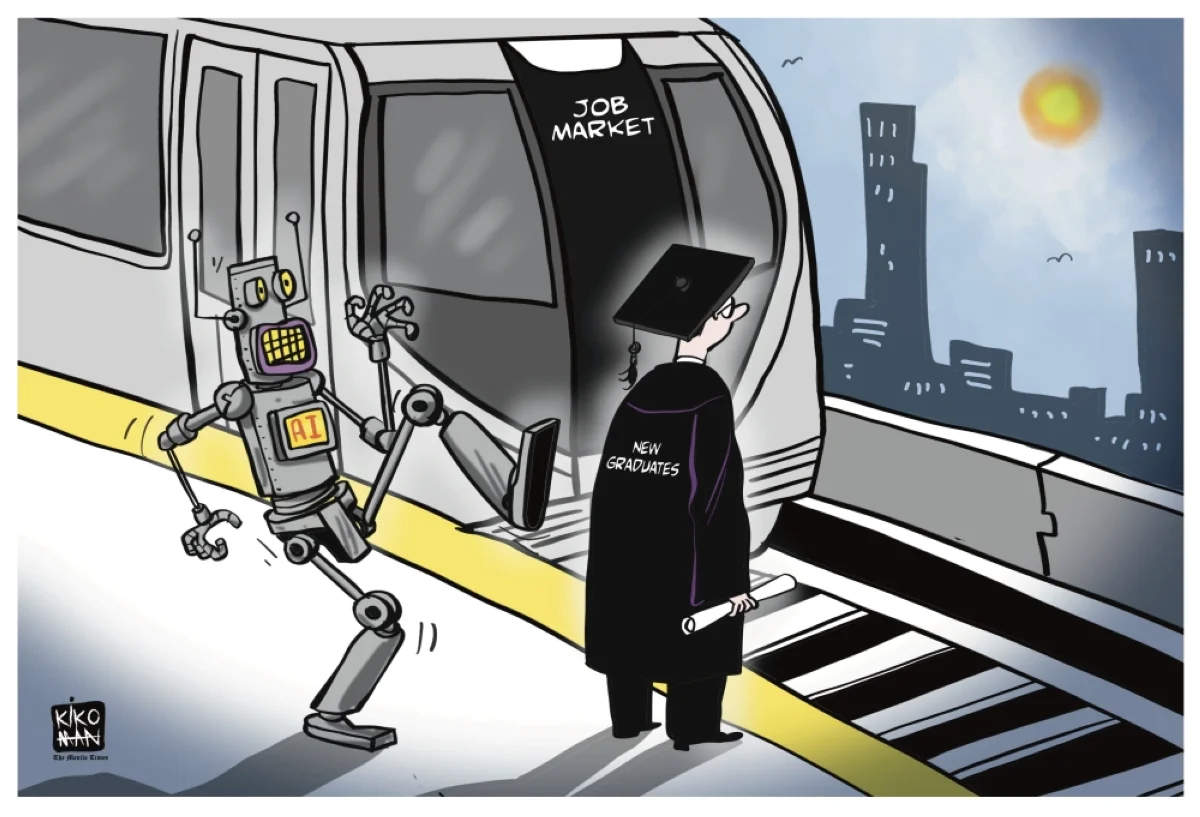
One major concern is the potential for job displacement. As machines become capable of performing tasks traditionally done by humans, many fear widespread unemployment could result.
Additionally, AI systems can perpetuate biases present in their training data, leading to unfair outcomes in critical areas such as hiring, law enforcement, and lending.
AI could disrupt entire industries and create new forms of inequality if left unchecked.
Tech Analyst
The threat of misinformation is another pressing issue. AI-generated content can be indistinguishable from legitimate information, complicating the battle against fake news and propaganda.
Calls for Regulation and Ethical Guidelines
In light of these threats, experts are urging for immediate regulatory measures. Establishing ethical guidelines and frameworks for AI development is essential to mitigate risks.
Governments and organizations worldwide are beginning to take action, but many believe that more robust and coordinated efforts are necessary to ensure AI is developed responsibly.
As the debate continues, it is crucial for society to weigh the potential benefits of AI against the significant threats it poses. A balanced approach is needed to harness its advantages while safeguarding against its dangers.