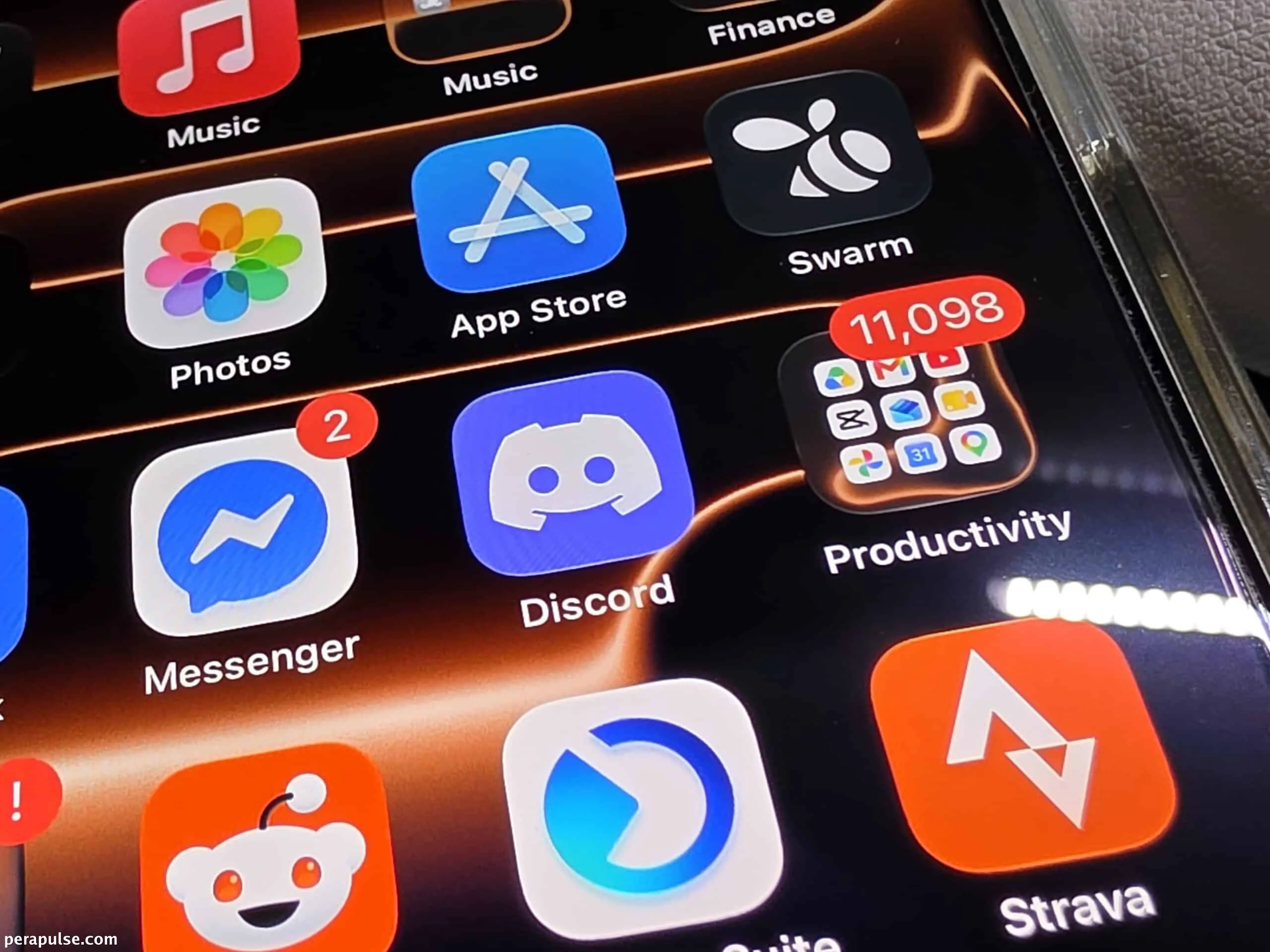
The recent blocking of Discord by Globe Telecom has significant implications for freelancers, students, and remote workers in the Philippines. This abrupt action, mandated by the Cybercrime Investigation and Coordinating Center (CICC), has disrupted a vital communication tool for many.
Consequences of the Ban
Many Filipinos rely on Discord for work-related communication and collaboration. With approximately 15,000 freelancers potentially impacted, the ban threatens their job security. Ex-DICT Undersecretary Jeffrey Ian Dy highlighted this issue, stating that the move sacrifices thousands of positions in the gig economy.
Furthermore, for remote workers, being unable to communicate with global teams can lead to decreased productivity and may deter foreign companies from hiring Filipino talent. The reactions from the business community indicate concern over the unpredictability of the Philippine market.
Students, too, have lost a valuable learning platform. While other Learning Management Systems exist, Discord's user-friendly interface and features catered well to online education. The sudden removal of this platform raises questions about the preservation of educational resources previously stored within it.
The government is punishing hard-working citizens by making their lives harder when there are better ways to regulate.
Jayvee Fernandez, Technology Journalist
This ban raises broader concerns about the government's approach to regulating digital platforms. While protecting citizens from extremist content is important, such measures shouldn't harm the legitimate activities of everyday users.
As discussions surrounding the Children’s Online Safety, Protection and Well-Being Act progress, the implications of these regulations could further affect a wide range of digital services. Policymakers need to find a balance between safety and accessibility to ensure that platforms essential for work and education remain available.