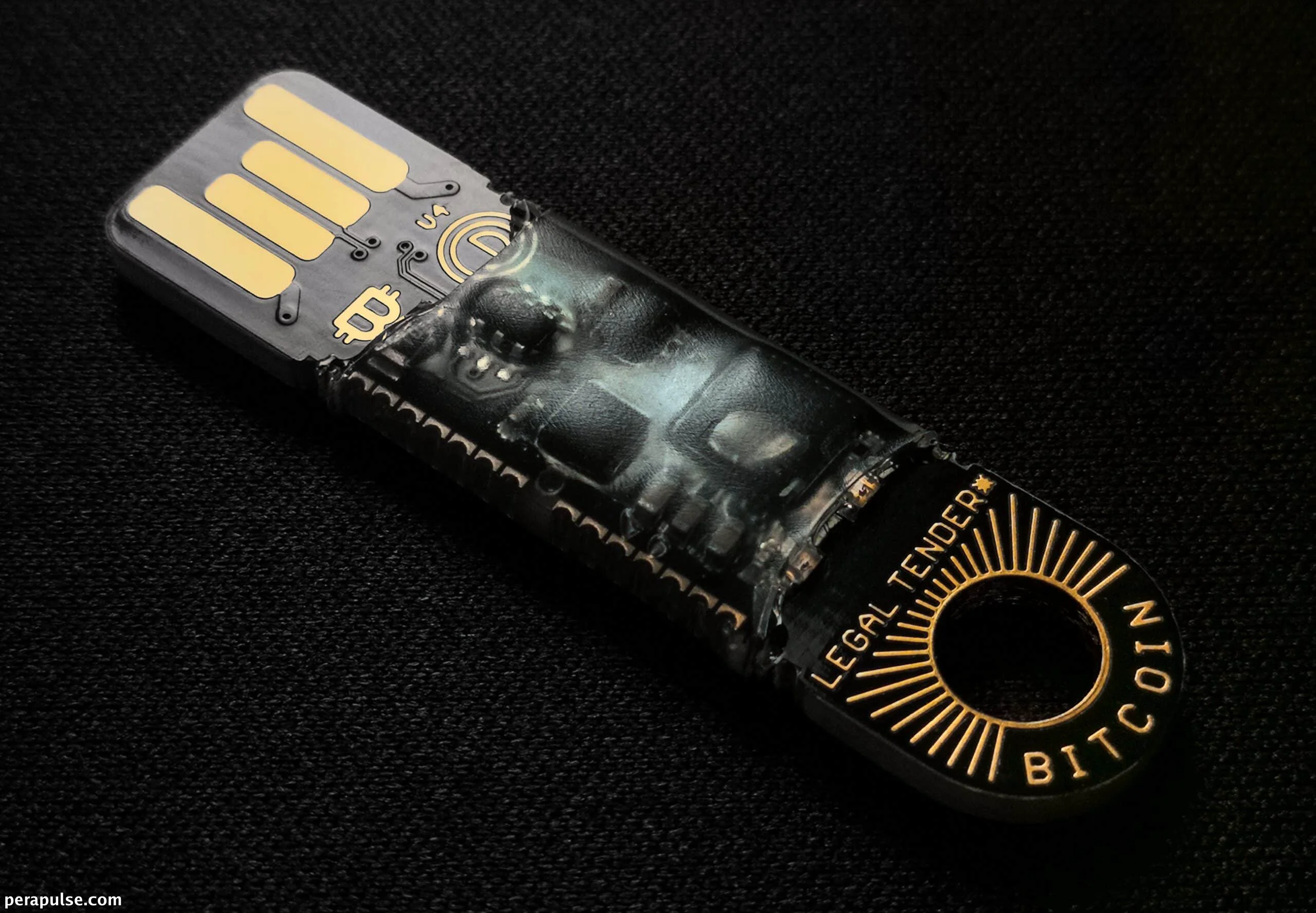
With Bitcoin investments on the rise, Filipinos are faced with pressing questions about the security of their digital assets. A recent hacking incident involving a popular hardware wallet has highlighted vulnerabilities in wallet security.
The Risks of Hardware Wallets
Hardware wallets are often recommended as a secure option for storing cryptocurrencies. These devices keep private keys offline, reducing the risk of online hacking. However, they are not foolproof. Recent events revealed that a firmware bug in Coldcard, a top hardware wallet, allowed attackers to steal approximately $70 million in Bitcoin.
A hardware wallet protects you well from one nightmare: your computer gets infected with malware that steals your key.
Anonymous Expert
- Hardware wallets safeguard against online threats.
- Firmware bugs can expose users to significant risk.
- Physical coercion and loss of backup still pose threats.
Despite their advantages, hardware wallets only address certain attack vectors. Users must also consider risks such as lost backups or physical theft.
Exploring Alternative Security Models
To enhance security, many crypto enthusiasts are turning to multisig wallets. This approach requires multiple signatures from different devices to authorize a transaction, making it harder for would-be thieves to access funds.
For those who find multisig setups cumbersome, Multi-Party Computation (MPC) wallets are gaining traction. They enable shared control of funds without the need for multiple devices, simplifying the user experience while enhancing security.
A Balanced Approach to Security
No storage solution is entirely risk-free, but individuals can adopt a layered security strategy. For moderate use, MPC wallets offer a balanced approach. For larger amounts, a combination of multisig and MPC can provide additional protection.
Ultimately, the key to safeguarding Bitcoin lies not in finding an infallible wallet but in creating a resilient system that mitigates risks from various angles.