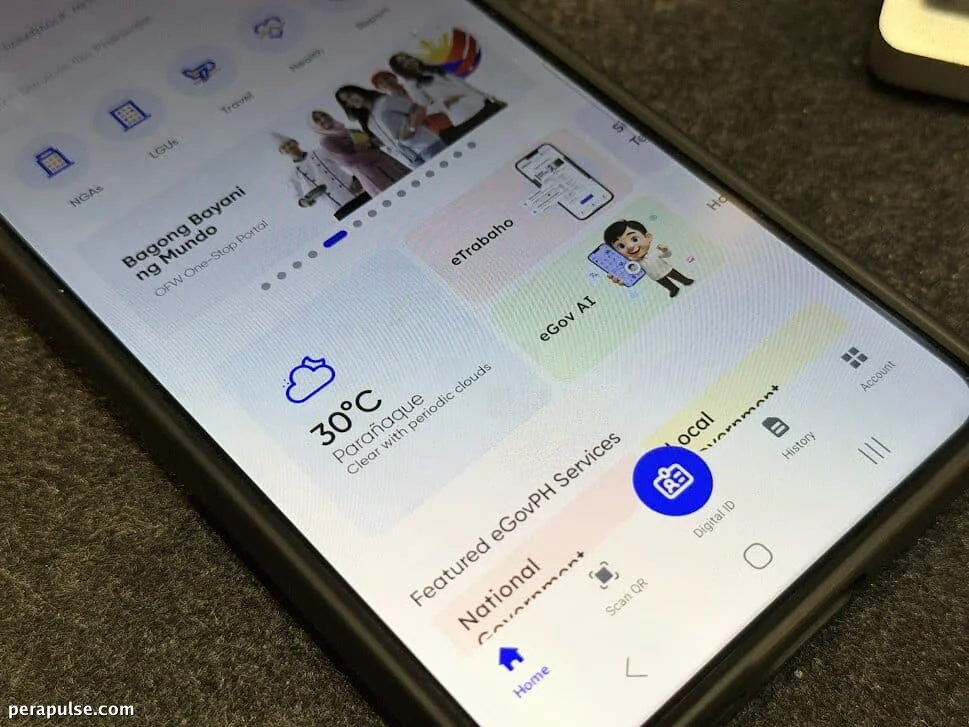
Ang eGov app ay lumitaw bilang isang pangunahing inisyatiba sa pagsisikap ng Pilipinas para sa digital na pamamahala. Gayunpaman, ang pagtanggap nito ay nahahadlangan ng pagdududa ng publiko at hindi pare-parehong pagtanggap.
Isang Multifunctional na Tool para sa mga Pilipino
Sa simula, ito ay itinuturing na isa lamang sa mga aplikasyon ng gobyerno, ngunit ang eGov app ay umunlad upang mag-alok ng digital wallet para sa mga mahahalagang kredensyal ng gobyerno. Ngayon, maari nang itago ng mga gumagamit ang kanilang National ID, lisensya sa pagmamaneho, at iba pang mahahalagang dokumento nang direkta sa kanilang mga smartphone.
Hindi na kailangan patunayan ng eGov app ang pagiging kapaki-pakinabang nito. Ito ay kapaki-pakinabang na. (cite: Carl Lamiel, Technology Journalist)
- Access sa mga portal ng gobyerno tulad ng SSS at PhilHealth
- Pagsusumite ng mga reklamo at pagproseso ng mga kinakailangan sa eTravel
Sa kabila ng lumalawak na kakayahan nito, marami sa mga Pilipino ang hindi pa rin alam ang app. Ipinapakita ng mga ulat na habang pinopromote ng gobyerno ang mga indibidwal na serbisyo, may kakulangan sa komprehensibong komunikasyon tungkol sa kabuuang mga benepisyo ng app.
Isang malaking hadlang ang pagtanggap sa mga digital ID. Halimbawa, habang ang isang gumagamit ay matagumpay na gumamit ng digital National ID upang i-encash ang isang tseke, ang parehong ID ay tinanggihan ng isang korporasyong gobyerno sa ibang transaksyon. Ang hindi pagkakapareho na ito ay nagpapahina sa tiwala sa digital na pagkakakilanlan.
Ang pagpapanatili ng eGov app ay isa pang alalahanin. Ang platform ay nakaranas ng mga pagka-abala sa serbisyo, na nag-udyok sa mga panawagan para sa mas mataas na pondo upang mapabuti ang imprastruktura at mga kakayahan nito.
Habang ang gobyerno ay nagtatrabaho upang isama ang iba't ibang serbisyo sa isang solong platform, dapat nitong tiyakin na ang mga mamamayan ay naipapaalam, ang mga institusyon ay kumikilala sa mga digital na kredensyal, at ang sapat na mga mapagkukunan ay nakatalaga para sa patuloy na suporta.
Ang eGov app ay may potensyal na baguhin kung paano nakikipag-ugnayan ang mga Pilipino sa mga serbisyo ng gobyerno. Gayunpaman, ang pagkamit ng malawakang pagtanggap ay nangangailangan ng pagtagumpayan ng mga makabuluhang hamon na may kaugnayan sa kamalayan, pagtanggap, at pagpapanatili.