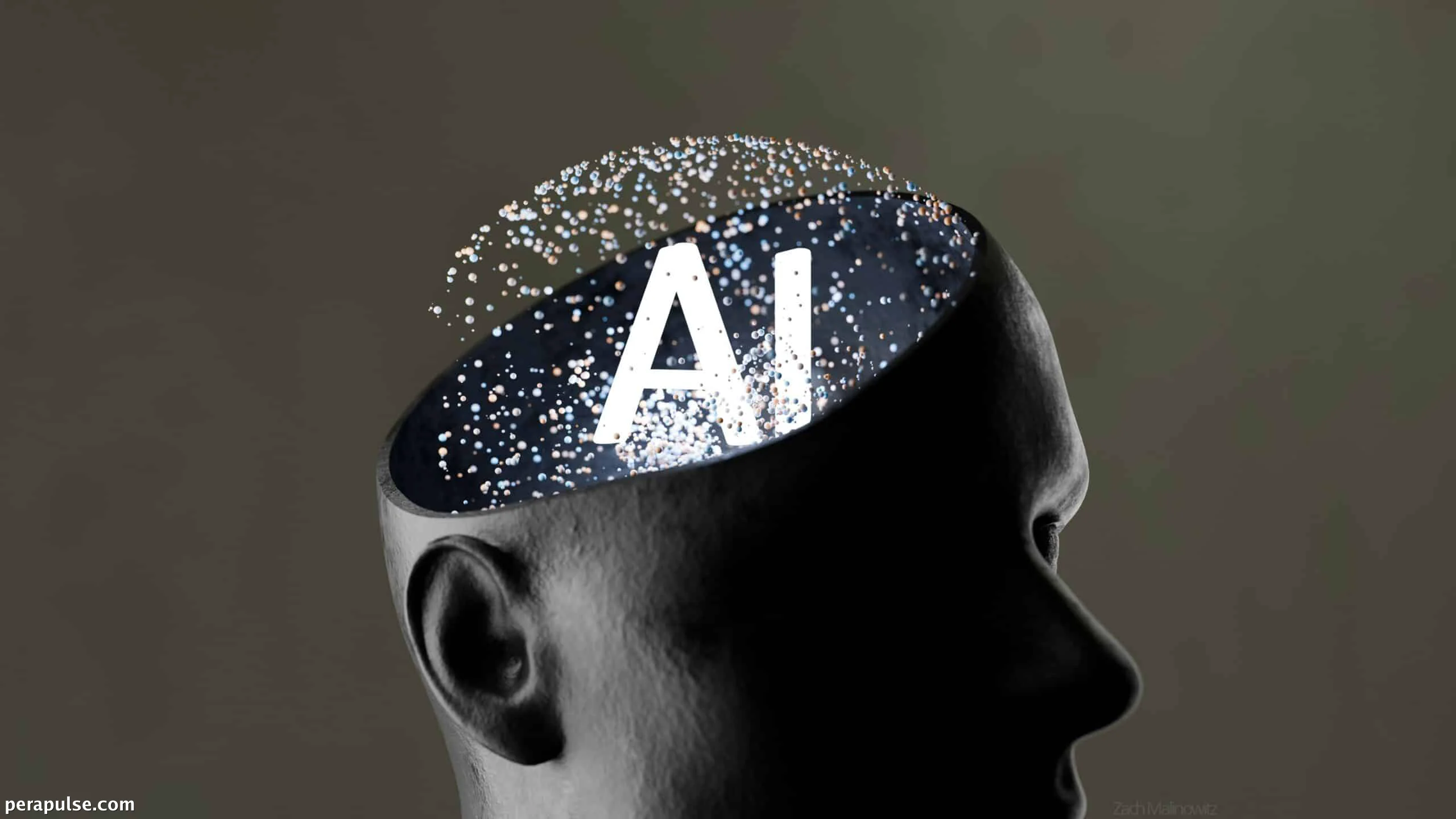
As artificial intelligence (AI) technologies continue to evolve, Anthropic, a leading AI research company, has sought guidance from religious leaders on a pressing question: Can AI be conscious? This initiative highlights the intersection of technology and ethics, prompting significant discussions about the moral implications of AI.
A Unique Interfaith Dialogue
Christopher Olah, co-founder of Anthropic, began engaging with a variety of religious thinkers last fall to explore the moral dimensions of AI. This included two-day discussions in San Francisco with representatives from diverse faiths, including Catholicism, Judaism, Sikhism, and evangelical Christianity.
Olah expressed concern that Anthropic could have created a system capable of suffering.
Simran Stuelpnagel, Sikh human rights advocate
- Dialogue included prominent figures like Cardinal Blase Cupich and Elder Gerrit W. Gong.
- Discussions focused on whether AI could experience emotions or suffering.
Amid these discussions, Anthropic representatives introduced concepts like 'emotional vectors,' suggesting that AI models might mimic human-like emotional responses. However, the company remains uncertain about the consciousness of their AI systems.
The question of AI consciousness reached a significant milestone when Olah was invited to the Vatican to discuss these issues further. Although CEO Dario Amodei did not attend, Olah represented the company at an event surrounding Pope Leo XIV’s first encyclical.
Pope Leo’s encyclical, *Magnifica Humanitas*, ultimately rejected the notion that AI possesses consciousness, emphasizing that these systems lack human experiences, emotions, and relationships. This stance sparked a critical dialogue about the ethical implications of AI.
- The Vatican warned of 'new forms of slavery' arising from advanced AI technologies.
- Olah acknowledged the unresolved nature of AI consciousness during the Vatican discussions.
The ongoing debate raises important questions for AI developers: How should they navigate the ethical landscape as AI systems become increasingly sophisticated? Critics argue that mislabeling AI as conscious could lead to significant risks, while others caution against getting distracted from the responsibilities of developers.
As Anthropic continues its outreach to religious and academic circles, the company has yet to clarify whether these discussions will influence its AI development strategies.