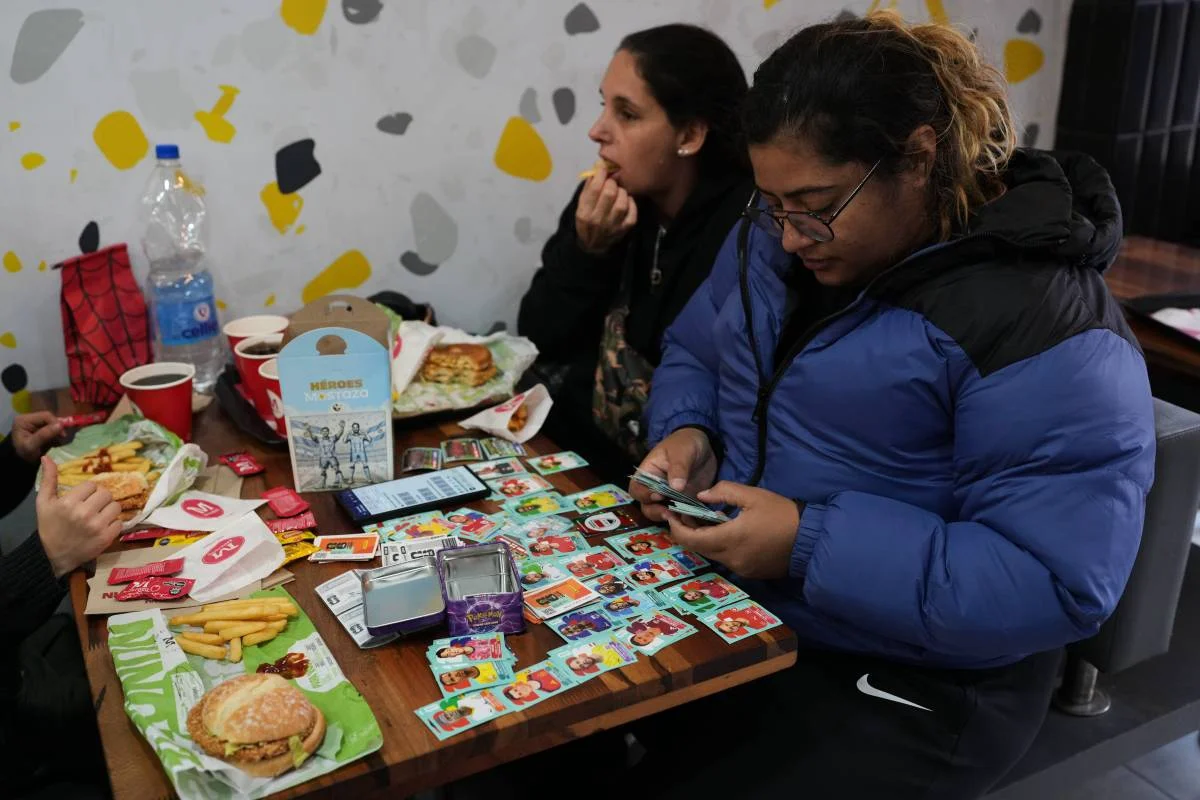
Habang papalapit ang FIFA World Cup, ang mga plasa ng Argentina ay abuzz sa kasiyahan habang ang mga tagahanga ay nakikilahok sa tanyag na libangan ng trading ng sticker. Ang minamahal na tradisyon na ito ay naging isang pangunahing bahagi ng karanasan sa World Cup.
Sa loob ng mahigit 50 taon, ang mga stickerbook ng Panini ay naging mahalagang bahagi ng kaganapang pampalakasan na ito, na nagtransforma sa mga paaralan, pampublikong plaza, at mga lugar ng trabaho sa masiglang mga sentro ng trading.
Sa Timog Amerika, ang trading ng sticker ay lumalampas sa simpleng pangangalap. Ang mga tagahanga ay gumagamit ng mga grupo sa WhatsApp, apps, at mga website upang mapadali ang mga trade, na nagpapayaman sa aspeto ng komunidad ng karanasan.
Sa Buenos Aires, nagtipun-tipon ang mga tao upang magpalitan ng makukulay na sticker na nagtatampok sa ilan sa mga pinakamalaking bituin ng soccer. Maraming tagahanga ang nag-set up ng mga mesa upang ipakita ang kanilang mga duplicate at makipagpalitan, na lumilikha ng masiglang atmospera.
"Ito ay nag-uugnay sa iyo sa mundo. Lahat ay ginagawa ito," sabi ni Juan Valora, isang mahilig sa sticker. "Kung ito ay virtual, hindi mo makukuha ang ugnayang tao."
Juan Valora
Inilunsad ng Panini ang pinakamalaking koleksyon ng sticker nito para sa World Cup na ito, kasabay ng pagtaas ng mga bansang kalahok mula 32 hanggang 48. Ang bawat pakete ay naglalaman ng pitong sticker, na nagkakahalaga ng humigit-kumulang $1.50 sa Argentina at Uruguay.
Ang mga iconic na stickerbook ay labis na hinahangad, na ang ilan ay ibinibenta online sa libu-libong dolyar. Ang koleksyong ito ay magtatapos pagkatapos ng 2030 World Cup, habang ang Fanatics ay nagiging eksklusibong kasosyo ng sticker ng FIFA.
Ang ilang mga kolektor ay pumipili na bumili ng malalaking kahon ng 104 sticker packs para sa $180, na maaaring bayaran sa mga installment. Ang pamamaraang ito ay tumutulong sa kanila na maiwasan ang karagdagang gastos habang sinusubukang kumpletuhin ang kanilang mga koleksyon.
Para sa maraming mga bata, ang pagkumpleto ng kanilang mga sticker album ay nagiging layunin na kasing halaga ng tagumpay ng kanilang pambansang koponan sa torneo. Madalas na nakikialam ang mga magulang upang tumulong, sabik na makita ang kanilang mga anak na makamit ang mahalagang milestone na ito.
Tinutukoy ng child psychologist na si Agustina Zerbinatti na ang aktibidad na ito ay hindi lamang nagbibigay ng kasiyahan kundi tumutulong din sa pagbuo ng mga fine motor skills at kaalaman sa heograpiya, wika, at pagsunod-sunod.