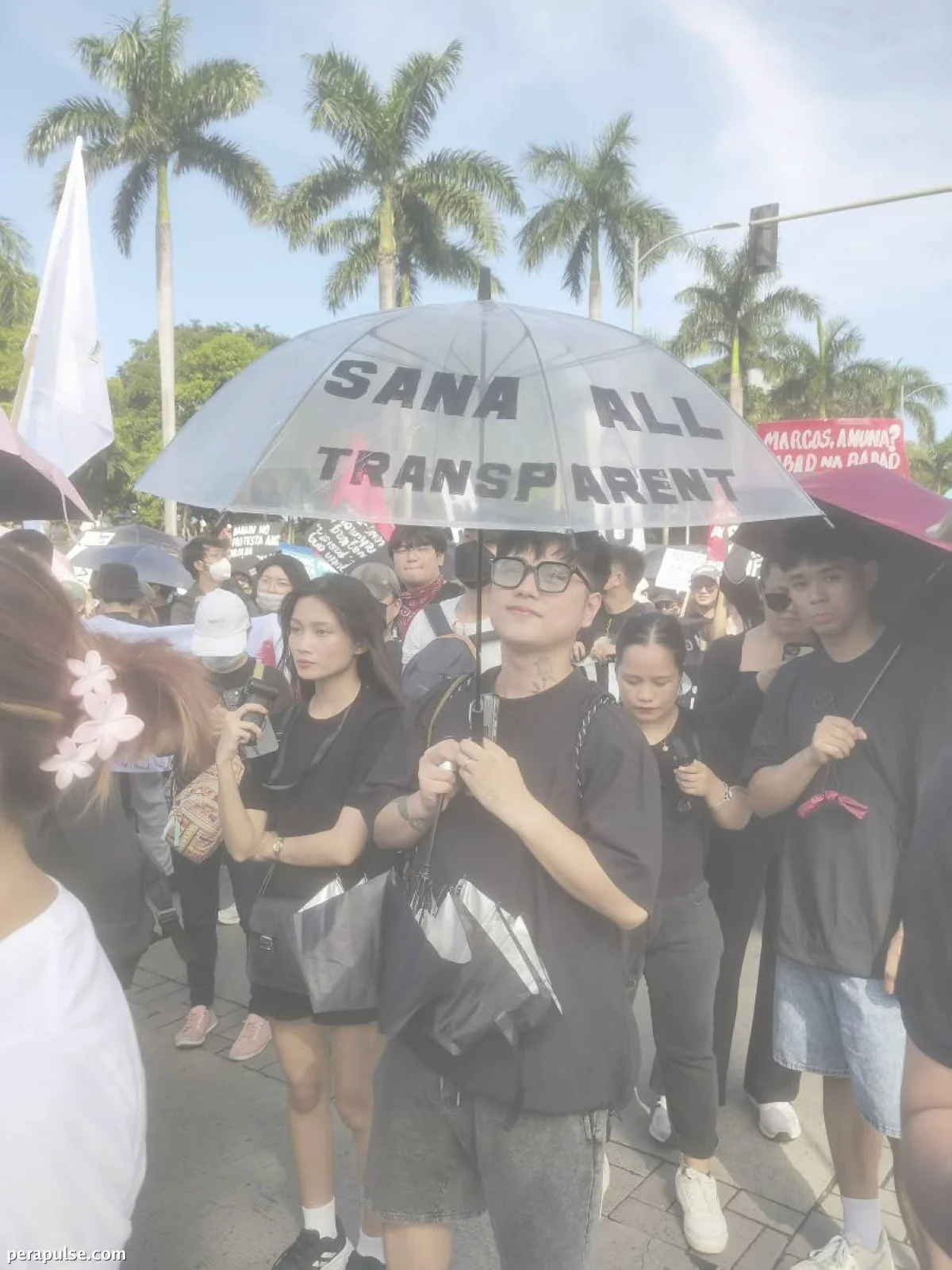
Across the globe, Generation Z is increasingly vocal about their frustrations with political and economic systems that seem rigged against them. In the Philippines, as in many other countries, young people are taking to the streets to demand accountability and reform.
Global Youth Movements: A Shared Struggle
Getting people into the streets is only the beginning.
Erica Chenoweth, Professor, Harvard Kennedy School
The essay 'Why Gen Z is Rising' by Erica Chenoweth and Matthew Cebul highlights the youth protests that erupted in various countries in 2025, challenging the stereotype that young people are apathetic. These movements have not only demanded accountability but have also led to some political concessions.
In regions like Asia, Africa, and Latin America, young activists are uniting against political leaders they perceive as corrupt. For instance, in Nepal, public outrage was sparked by the lavish lifestyles of politicians' children, while in Indonesia, lawmakers' benefits infuriated citizens.
The authors draw parallels to the Philippines, where the youth played a significant role in the 2001 People Power uprising against then-President Joseph Estrada. This historical precedent shows how young people can mobilize effectively.
However, the essay warns that while youth-led protests may generate initial momentum, they often face severe repression. The challenge remains to sustain the movement beyond the streets and into political engagement.
Chenoweth and Cebul emphasize that peaceful protests are more likely to gain public support and avoid violent backlash. Yet, the absence of a single leader in many youth movements complicates organization and negotiation.
The essay concludes with a call to action: for young people, the journey does not end with protests. It requires ongoing participation in civic life, holding leaders accountable, and ensuring that their voices are heard in policymaking.
For Generation Z, this is not just about expressing anger; it’s about transforming that collective discontent into lasting institutional change, ensuring their future is shaped by their demands.