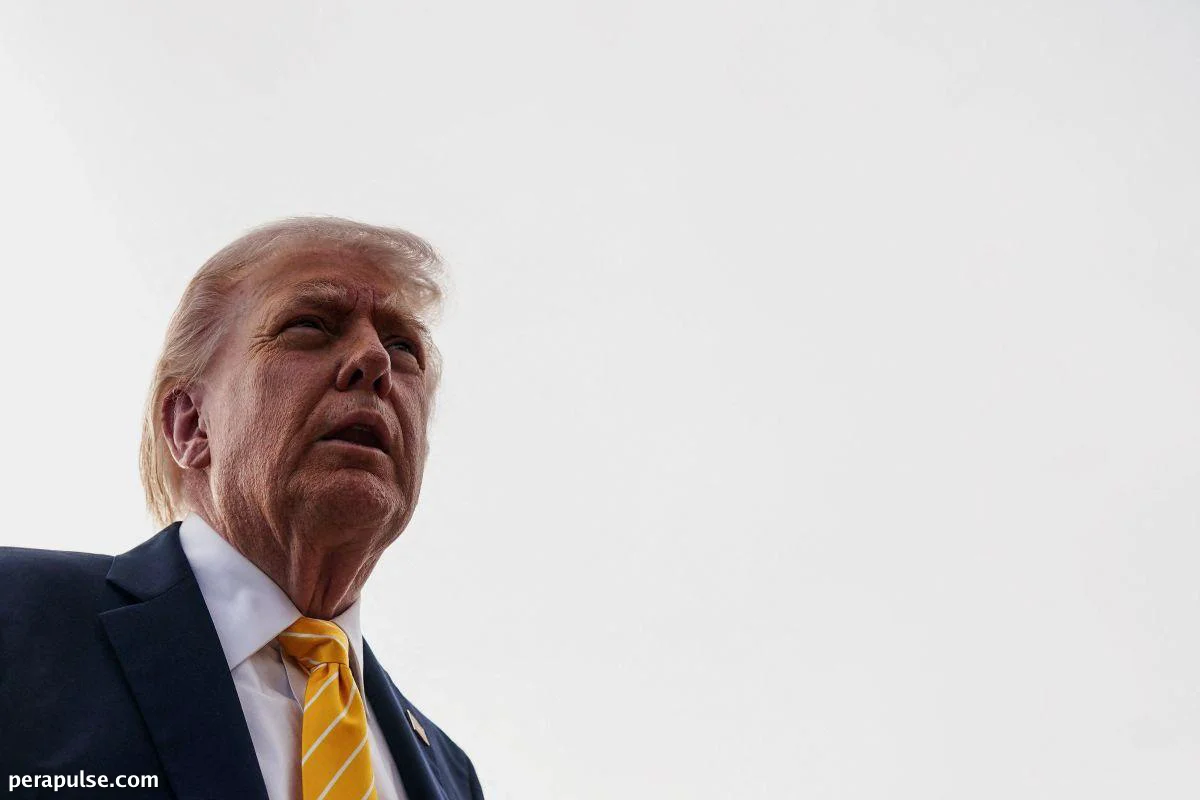
U.S. President Donald Trump announced on May 30, 2026, that he will soon finalize a decision regarding a proposed deal with Iran aimed at extending a ceasefire. The deal, which seeks to prolong an early-April truce for an additional 60 days, is intended to facilitate negotiations for a lasting peace.
Conditions for Iran's Agreement
Iran must agree that they will never have a Nuclear Weapon or Bomb. The Hormuz Strait must be immediately open, no tolls, for unrestricted shipping traffic, in both directions.
Donald Trump, President of the United States
Trump emphasized that Iran must dismantle its nuclear capabilities and cease its control over the Strait of Hormuz. This vital waterway is crucial for global oil shipping, making its status a key point in the ongoing negotiations.
The Iranian government has responded to Trump's demands, with sources suggesting that any reopening of the strait would depend on lifting U.S. sanctions first. Iranian officials insist that the management of the strait must be determined by Iran and Oman.
The urgency of the negotiations is heightened by rising gasoline prices in the U.S., which are a significant concern for voters ahead of the upcoming congressional elections. Trump faces pressure from both sides, as any concessions to Iran may provoke criticism from hardliners in his party.
The ongoing conflict, which escalated after U.S. and Israeli military actions on February 28, has resulted in thousands of casualties and disrupted global energy markets. As the situation evolves, the outcome of these negotiations could have far-reaching implications.