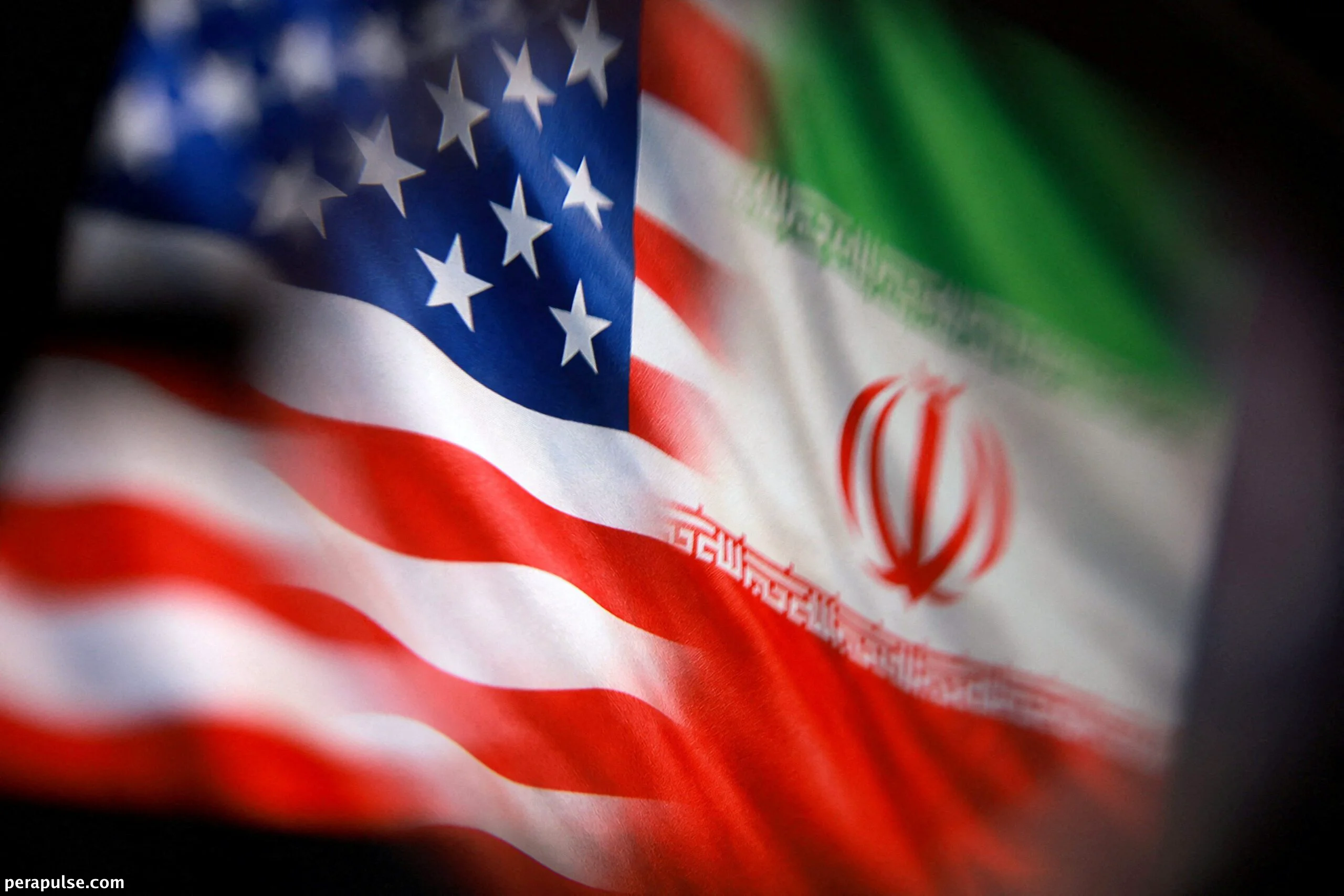
The United States and Iran tentatively agreed on May 28 to extend their ceasefire for 60 days, a move that could ease tensions in the region if it receives President Donald Trump’s approval. This potential extension allows for uninterrupted shipping through the vital Strait of Hormuz.
Sources indicate that the agreement aims to address complex issues, including Iran’s nuclear program, while maintaining the current ceasefire established in early April. However, both nations have yet to finalize the details.
Fragile Negotiations Underway
We’re not there yet, but we’re very close and we’re going to keep on working at it.
JD Vance, US Vice President
- Ceasefire extension proposed for 60 days.
- Traffic through the Strait of Hormuz to remain open.
- Negotiations focus on Iran's nuclear program.
Despite the hopeful outlook, the path to a lasting peace remains rocky. Recent military exchanges have underscored the volatility of the situation, with the US Central Command confirming defensive actions against Iranian drones and missile threats.
Oil prices responded to the news with a decline, reflecting market optimism over the potential reopening of this critical shipping lane, which carries about 20% of the world’s oil and liquefied natural gas.
While both sides express cautious optimism, the Trump administration has previously announced nearing deals that saw little follow-through. Iran continues to demand the lifting of sanctions and the unfreezing of assets, while the US insists on curtailing Iran's nuclear ambitions.
The geopolitical stakes are high, not only for Iran and the US but also for regional allies, such as Israel and Kuwait, who are closely monitoring the evolving situation. The ongoing conflict has already resulted in significant casualties and destabilized energy markets.