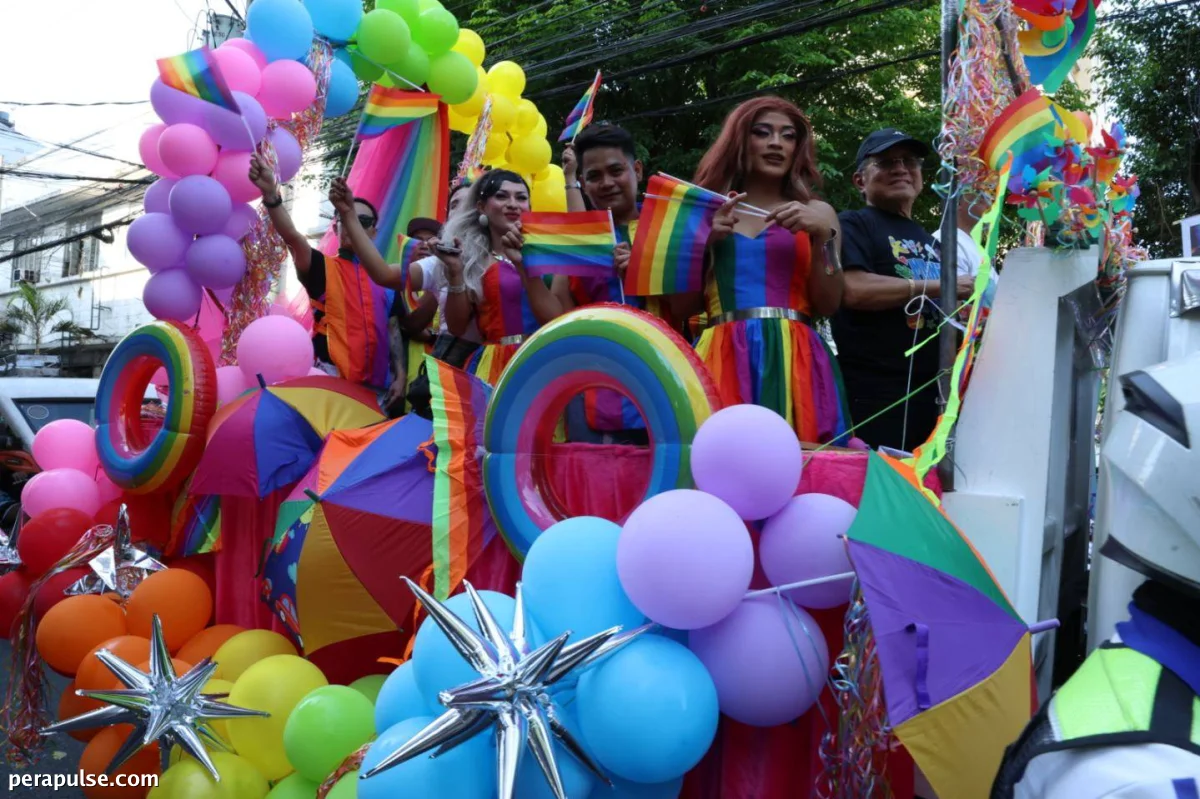
On June 22, 2026, four legislators introduced the Lived Identities and Recognition Act, commonly known as the Sharmaine Bill, in the House of Representatives. This legislation seeks to empower transgender and intersex individuals by allowing them to change their names and gender on official documents according to their lived identities.
Legislators Advocate for Change
For many trans and intersex Filipinos, their names cause ridicule and discrimination. They are often mocked and laughed at because of the names that are on their legal documents.
Perci Cendaña, Akbayan Representative
Akbayan Rep. Perci Cendaña emphasized the importance of this bill, noting the negative impact that legal names can have on the lives of transgender and intersex individuals. Cendaña, along with fellow Akbayan Representatives Jose Manuel 'Chel' Diokno and Dadah Kiram Ismula, partnered with Dinagat Islands Rep. Kaka Bag-ao to file House Bill 9929.
The Sharmaine Bill aims to establish a legal framework that recognizes gender identity, providing an accessible process for individuals to change their names and gender markers. It also includes provisions to protect the privacy and non-discrimination rights of all individuals, asserting that everyone is entitled to equal treatment under the law.
- Establishes a clear authority for gender identity recognition.
- Offers an administrative procedure for name and gender changes.
- Protects privacy and non-discrimination rights.
The introduction of the Sharmaine Bill reflects ongoing efforts to enhance legal protections for marginalized communities in the Philippines. Such initiatives are crucial as they address long-standing issues of discrimination and inequality faced by transgender and intersex individuals.