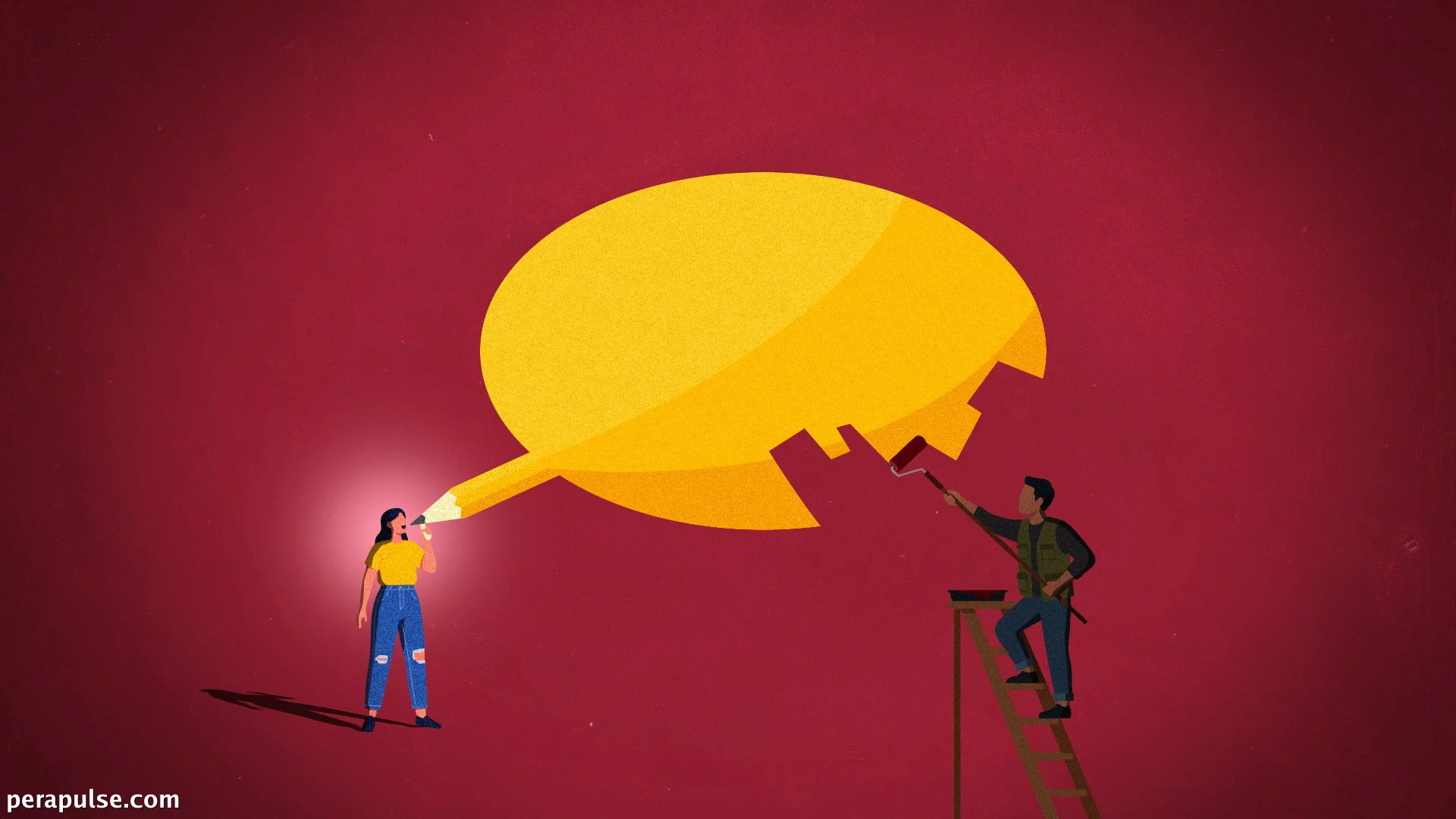
The Philippine media is grappling with intensified scrutiny from the government, particularly following Vice President Sara Duterte's recent disparagement of journalists. Her remarks encourage supporters to rely on social media for information, leading to fears about the legitimacy of traditional news outlets.
Simultaneously, Marchel Espina, a former editor-in-chief of SunStar Cebu, faces an unjust vexation case that has drawn significant attention. The legal action, initiated by a district supervisor from the Iglesia Ni Cristo, stems from an opinion piece published during her tenure that criticized the church's political influence.
Background on the Case
Espina was issued an arrest warrant on July 13 in Batangas, even though she resides in Bacolod City. After learning about the warrant, she voluntarily surrendered and posted bail of P6,000 in a regional trial court. Despite her release, the trial process poses a financial and emotional burden, requiring her to travel and attend court hearings.
The legal concept of unjust vexation, a relatively obscure charge, is defined in Article 287 of the Revised Penal Code. It encompasses actions that annoy or disturb others without causing physical harm, but carries the potential for a criminal record and costly proceedings.
According to the Committee to Protect Journalists, the case against Espina represents a broader threat to press freedom in the Philippines. The organization's statements highlight concerns that such legal actions may deter critical reporting and suppress journalistic expression.
While it is within a person’s right to pursue legal remedies, laws must never be weaponized to suppress journalists from performing their professional duties as truth-tellers.
Presidential Task Force on Media Security
This situation has prompted calls from various organizations advocating for the protection of journalists against legal intimidation. As the media landscape continues to evolve, the implications of Duterte's comments and the Espina case raise critical questions about the future of press freedom in the Philippines.