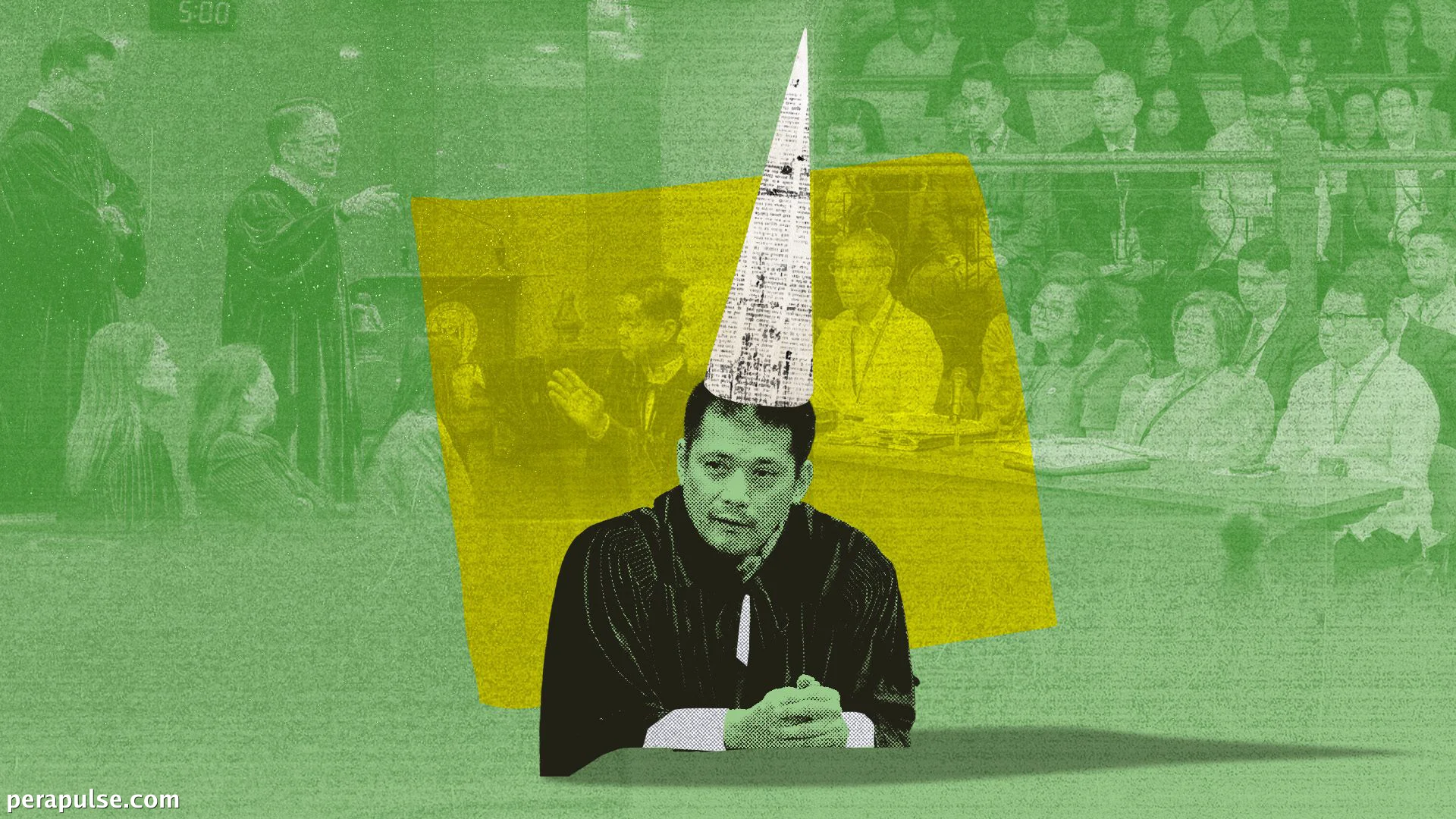
Ang papel ni Senador Robin Padilla sa kasalukuyang pagsubok ng impeachment kay Pangalawang Pangulo
Magkaibang Estilo sa Senado
Ang kailangan mo, sentído komún. — Manuel Quezon III, Analyst
Sa ikalawang linggo ng mga pagdinig sa impeachment, ang pagganap ni Padilla ay partikular na sinuri. Ang kanyang mga tanong ay kadalasang itinuturing na mapansin ngunit sa katunayan ay mali ang direksyon. Ang kanyang paulit-ulit na pagtatanong sa isang saksi tungkol sa mga kaso laban sa kanya ay kinondena bilang nagpapakita ng kakulangan sa pag-unawa sa mga legal na proseso.
Itinuro ng analyst na si Manuel Quezon III na walang kinakailangan para sa mga senador na humuhusga sa mga impeachment court na maging mga abogado, ngunit dapat silang magkaroon ng sentido komun. Ang damdaming ito ay umaayon sa marami na naniniwala na ang istilo ni Padilla ay higit na tungkol sa theatrics kaysa sa tunay na pagtatanong.
Sa kabaligtaran, ang mga maikli at tuwirang tanong ni Senador Tito Sotto ay tinanggap ng mabuti. Binigyang-diin niya ang pangangailangan na manatili sa paksa, inuulit na ang pokus ng pagsubok ay nasa pagtataksil sa tiwala ng publiko at hindi sa mga hindi kaugnay na bagay.
Kabilang sa mga pahayag ni Padilla sa pagsubok ang mga maling sanggunian sa kasaysayan at maling interpretasyon ng mga pangyayari. Halimbawa, ang kanyang pahayag na ang dating Pangulong Ferdinand Marcos ang pangunahing tauhan laban sa komunismo ay hindi isinasaalang-alang ang mga kumplikadong kilusan ng komunismo sa Pilipinas.
Nagtalo ang mga kritiko na ang istilo ni Padilla ay katulad ng 'artificial intelligence'—nagpapakita ng pakikilahok sa ibabaw lamang nang walang lalim o pag-unawa. Ito ay nagdulot ng mga tanong tungkol sa kanyang mga kwalipikasyon para sa papel na kanyang ginagampanan.
Habang nagpapatuloy ang pagsubok ng impeachment, ang pagiging epektibo ng mga senador tulad ni Padilla ay magkakaroon ng mahalagang papel sa paghubog ng pampublikong pananaw at sa mga legal na proseso mismo. Ang kanyang kakayahang umangat sa okasyon ay nananatiling hindi tiyak. Ito ay nagdudulot ng tanong ng