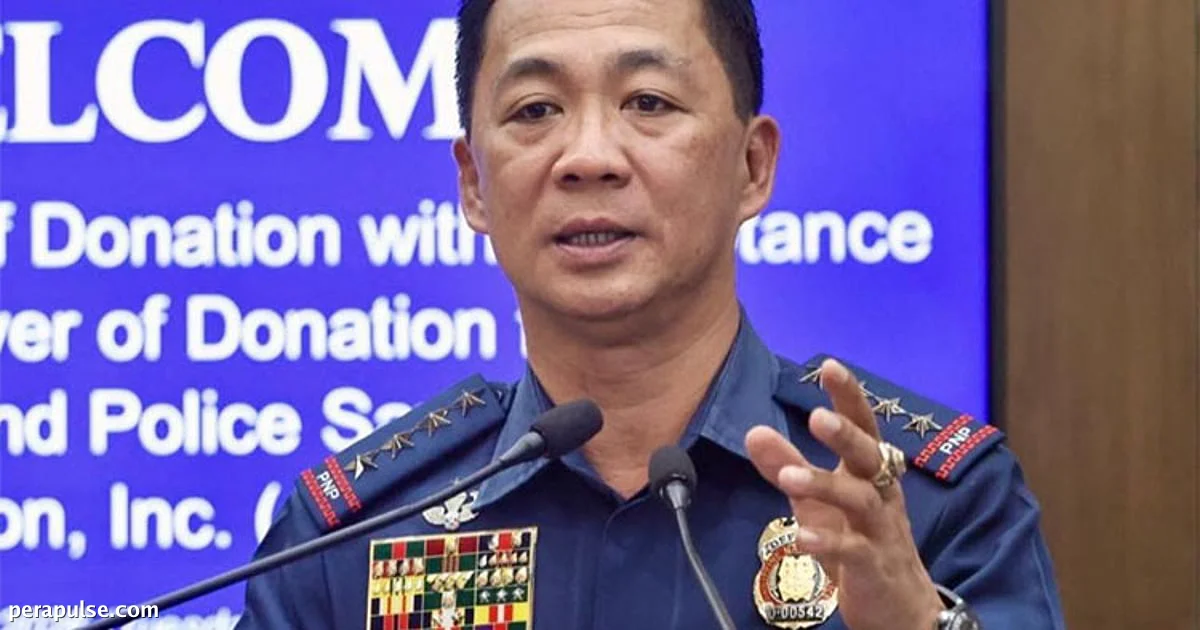
Ang Hepe ng Philippine National Police (PNP) na si Heneral Jose Melencio Nartatez Jr. ay nagsimula ng masusing pagsusuri sa sistema ng hustisyang pambata. Ang hakbang na ito ay naglalayong pahusayin ang mga gawi ng pulisya sa pakikitungo sa mga bata na may kasong kriminal (CICLs).
Ang pagsusuri ay susuriin ang pakikipag-ugnayan ng pulisya sa mga menor de edad, kabilang ang pagsusuri sa mga seryosong insidente na nagaganap sa mga institusyong pang-edukasyon. Ang layunin ay i-highlight ang mga epektibong pamamaraan at tukuyin ang mga lugar na nangangailangan ng reporma.
Ipinahayag ni Nartatez na ang malawak na karanasan ng PNP sa mga batang nagkasala ay naglalagay sa ahensya upang masusing suriin ang pagpapatupad ng Juvenile Justice and Welfare Act.
Pinararangalan at sinusuportahan ng Philippine National Police ang karunungan sa likod ng batas ng hustisyang pambata at kapakanan at ang tunay na layunin nito ng mga reporma at rehabilitasyon upang maging mas mabuting mamamayan na nakakatulong sa pagbuo ng bansa.
Jose Melencio Nartatez Jr., PNP Chief
Binigyang-diin ng hepe na ang pagsusuri ay hindi lamang isang pamamaraan kundi naglalayong matiyak na ang mga aksyon ng pulisya ay umaayon sa pokus ng batas sa rehabilitasyon sa halip na parusa.
- Pinalakas na pakikipagtulungan sa Department of Education (DepEd) upang mapabuti ang kaligtasan sa kampus.
- Pagbuo ng mga protokol para sa mga aktibong banta na drill sa mga paaralan sa buong bansa.
Dagdag pa, binigyang-diin ni Nartatez ang kahalagahan ng pag-unawa sa mga hamon na hinaharap ng kabataan. Ang mas mahusay na pag-unawa sa mga isyung ito ay magbibigay-daan sa PNP na epektibong iakma ang mga estratehiya sa interbensyon at mabawasan ang pag-uulit ng krimen.
Ang pagsusuri ay nagaganap sa isang panahon kung kailan pinapalakas ng PNP ang pakikipagtulungan sa mga awtoridad sa edukasyon upang isulong ang kapakanan ng mga estudyante. Kasama rito ang pagsuporta sa mga programang gabay ng DepEd na nakatuon sa mga batang nagkasala.
Hinimok ni Nartatez ang mga pulis na makipag-ugnayan sa mga menor de edad sa pamamagitan ng mga interbensyon at pagpapayo sa komunidad, na binibigyang-diin na ang direktang pakikipag-ugnayan ay makapagbibigay-liwanag sa mga salik na nagiging sanhi ng mga krimen ng kabataan.
Ang mga pananaw na nakuha mula sa pagsusuri ay maaaring magdulot ng pinabuting mga tugon sa mga isyu na may kaugnayan sa paaralan, tulad ng bullying at marahas na insidente, na tinitiyak na ang mga aksyon ng pulisya ay parehong epektibo at sumusuporta.