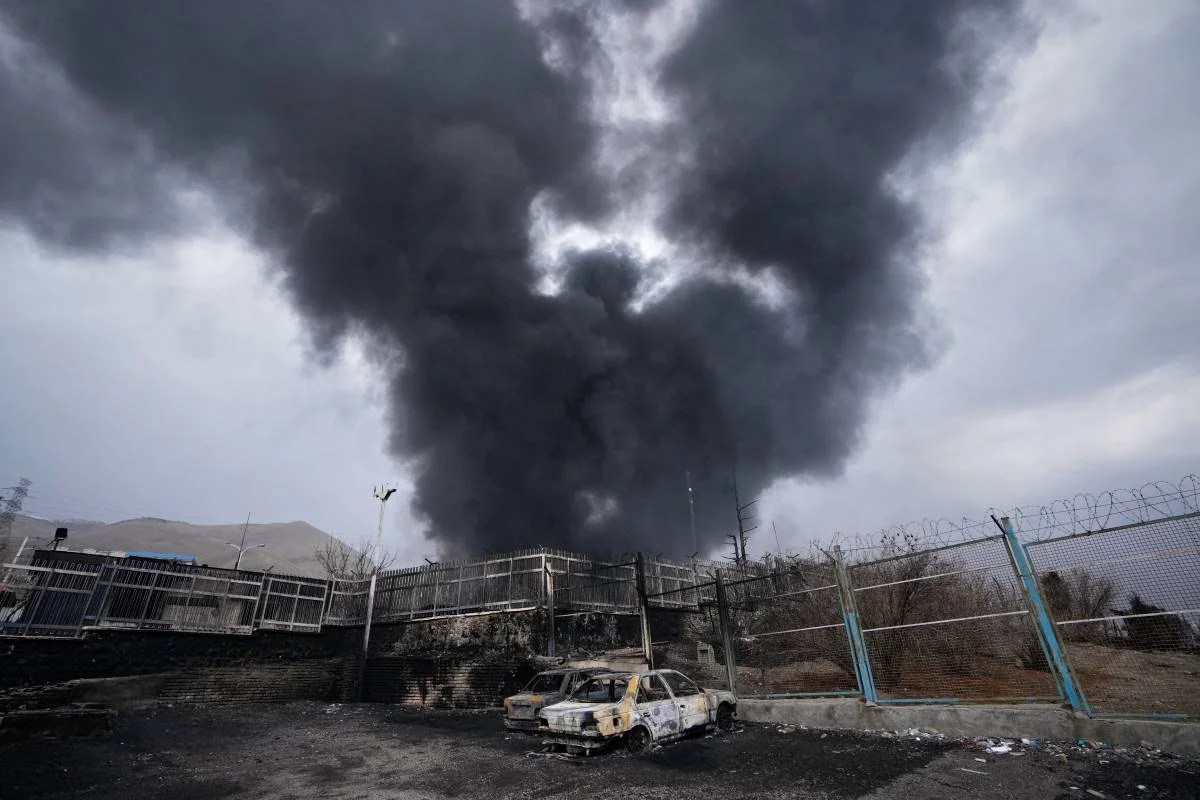
Ipinahayag ng Pentagon na ang pinansyal na epekto ng digmaan laban sa Iran ay umabot na sa halos $29 bilyon. Ang pagtaas na ito ay naganap habang nahaharap si Pangulong Donald Trump sa matinding pagsusuri tungkol sa epekto ng labanan sa kahandaan ng militar ng U.S.
Ang na-update na gastos ay ibinunyag sa isang pagdinig sa badyet sa Capitol Hill, na nagmarka ng $4 bilyong pagtaas mula sa isang naunang pagtataya dalawang linggo na ang nakalipas. Ipinaliwanag ng pinuno ng pananalapi ng Pentagon na si Jules Hurst III na ang pagbabago ay dahil sa na-update na mga gastos para sa pagkukumpuni ng kagamitan at mas malawak na mga gastos sa operasyon.
Sa panahon ng pagdinig, tinukoy ni Hurst ang isang naunang pagtataya na $25 bilyon na ibinigay ni Hegseth noong Abril 29. Binanggit niya na ang mga joint staff at comptroller teams ay patuloy na nire-review ang mga numerong ito.
Itinaas ng mga kritiko, partikular ang mga Democrat, ang mga katanungan tungkol sa mga kalkulasyon ng Pentagon, na nag-aangking ang aktwal na mga gastos—kabilang ang pinsalang dulot ng Iran—ay maaaring mas mataas.
Ipinahiwatig ni Senator Hegseth na makakatanggap ang Kongreso ng mas komprehensibong ulat sa pananalapi, ngunit hindi niya tinukoy ang isang timeline. Binibigyang-diin niya na hihilingin ng administrasyon ang kinakailangang pondo nang hiwalay mula sa badyet ng Pentagon.
Ang pagdinig ay nag-coincide sa isang delikadong ceasefire sa pagitan ng U.S. at Iran, kung saan iminungkahi ni Trump na ang truces ay nasa 'life support' kasunod ng pagtanggi sa pinakabagong mungkahi ng kapayapaan ng Iran.
Ginamit ng mga kinatawang Democrat ang pagkakataon upang hamunin ang administrasyon sa tumataas na mga gastos at kakulangan ng transparency sa mga layunin ng militar. 'Ano ang ating nakamit at sa anong halaga?' tanong ni Rosa DeLauro, isang lider ng Democrat sa House Appropriations Committee.
Umugong si Betty McCollum ng mga alalahanin tungkol sa transparency, na iginiit ang mas malinaw na estratehiya bago aprubahan ang karagdagang pondo.
Ang nagpapatuloy na labanan ay nagdulot ng mga alarma tungkol sa pagkaubos ng mga stockpile ng armas ng U.S., kasunod ng mga buwan ng matinding operasyon militar sa Gitnang Silangan.
Sa kabila ng mga alalahaning ito, pinababa ni Hegseth ang tindi ng kakulangan sa munitions, na nagsasabing ang isyu ay na-exaggerate at iginiit na ang militar ay may sapat na mapagkukunan.
Gayunpaman, nagbigay babala si Senator Mark Kelly na ang ilang advanced weapons, kabilang ang Tomahawk missiles at Patriot interceptors, ay nabawasan nang malaki at maaaring tumagal ng mga taon upang mapunan.
Ang mga pagdinig ay nagmarka ng unang paglitaw ni Hegseth mula nang opisyal na ipaalam ng White House sa Kongreso ang tungkol sa pagtatapos ng mga hostilidades na sinimulan laban sa Iran noong Pebrero 28.
Pinuna ng mga Democrat si Trump sa pagsasagawa ng mga aksyon militar nang walang pag-apruba ng Kongreso, na paulit-ulit na nagpakilala ng mga hakbang upang limitahan ang kanyang mga kapangyarihan sa digmaan, bagaman ito ay nakaharap sa pagtutol ng mga Republican.
Sa isang follow-up na pagdinig sa Senado, ipahayag ni Senator Patty Murray ang pagdududa tungkol sa mga pagtataya ng Pentagon, na binanggit na hindi ito isinasaalang-alang ang pinsala sa mga pasilidad ng U.S.
Habang hindi nagbigay si Hegseth ng tiyak na pagtataya ng pinsala, inulit niya ang kanyang posisyon na ang mga gastos na nauugnay sa pagbuo ng Iran ng isang nuclear weapon ay malayo sa kasalukuyang mga gastusin.
Ang gastos ng Iran sa pagkuha ng isang nuclear weapon ay magiging mas malaki.
Pentagon Finance Chief Jules Hurst III