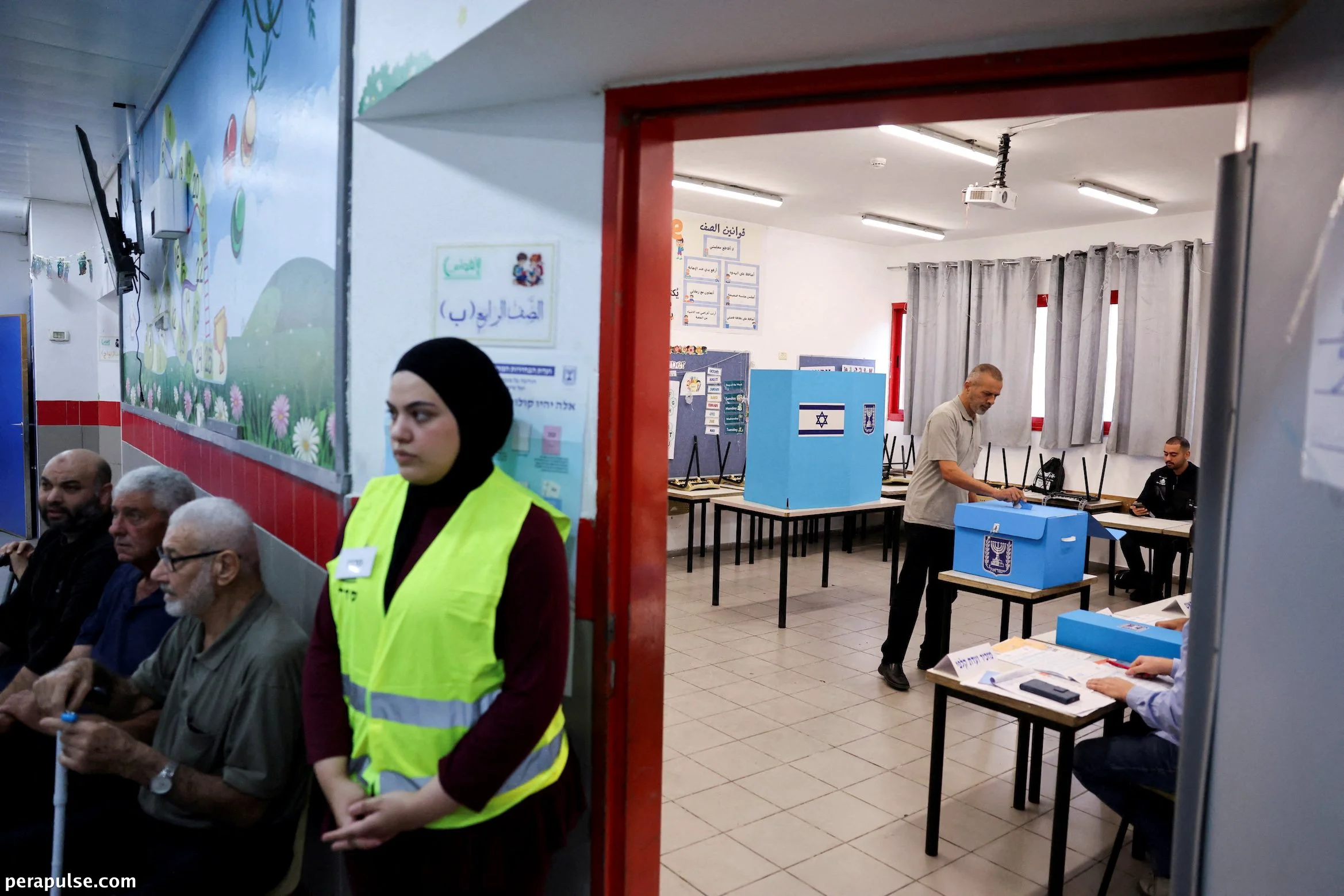
Israeli Prime Minister Benjamin Netanyahu is fighting for his political life in the national elections taking place on October 27, 2026. Voters are reflecting on his leadership following the devastating Hamas-led attacks of 2023 and ongoing military conflicts with Iran.
A Nation Divided Ahead of Polls
Netanyahu, Israel's longest-serving leader, is in a tight race against Gadi Eisenkot, a former military chief who has garnered support from both right and centrist voters. The polls indicate a highly competitive environment between Netanyahu's Likud party and Eisenkot's coalition.
Netanyahu's wartime leadership is central to his campaign as he seeks to overcome challenges from his opponents.
Political Analysts
Netanyahu has touted his alliance with former U.S. President Donald Trump, claiming that Trump is prepared to take action against Iran if he remains in power. However, Eisenkot has criticized Netanyahu's approach, accusing him of fear-mongering tactics.
Voter sentiments are deeply polarized. Many are demanding accountability for security lapses related to the October 7 attacks, which resulted in significant casualties and hostages taken by Hamas. The fallout from these events has left the nation grappling with a fractured political landscape.
Supporters of Eisenkot emphasize the need for a national inquiry, voicing concerns about Netanyahu's leadership and the damage done to Israel's global image. Conversely, many Likud supporters, including young voters, defend Netanyahu, believing he has effectively managed the wartime situation.
The election outcome could lead to a complex coalition scenario, with Netanyahu potentially relying on far-right party leaders to remain in power. If neither he nor Eisenkot can secure a governing coalition in the Knesset, Netanyahu might remain as caretaker until new elections are organized.
The election is not just about leadership but reflects deeper issues within Israeli society, including the treatment of Palestinians and the impact of far-right politics. Analysts predict a tight result with no clear majority, potentially leading to political deadlock.