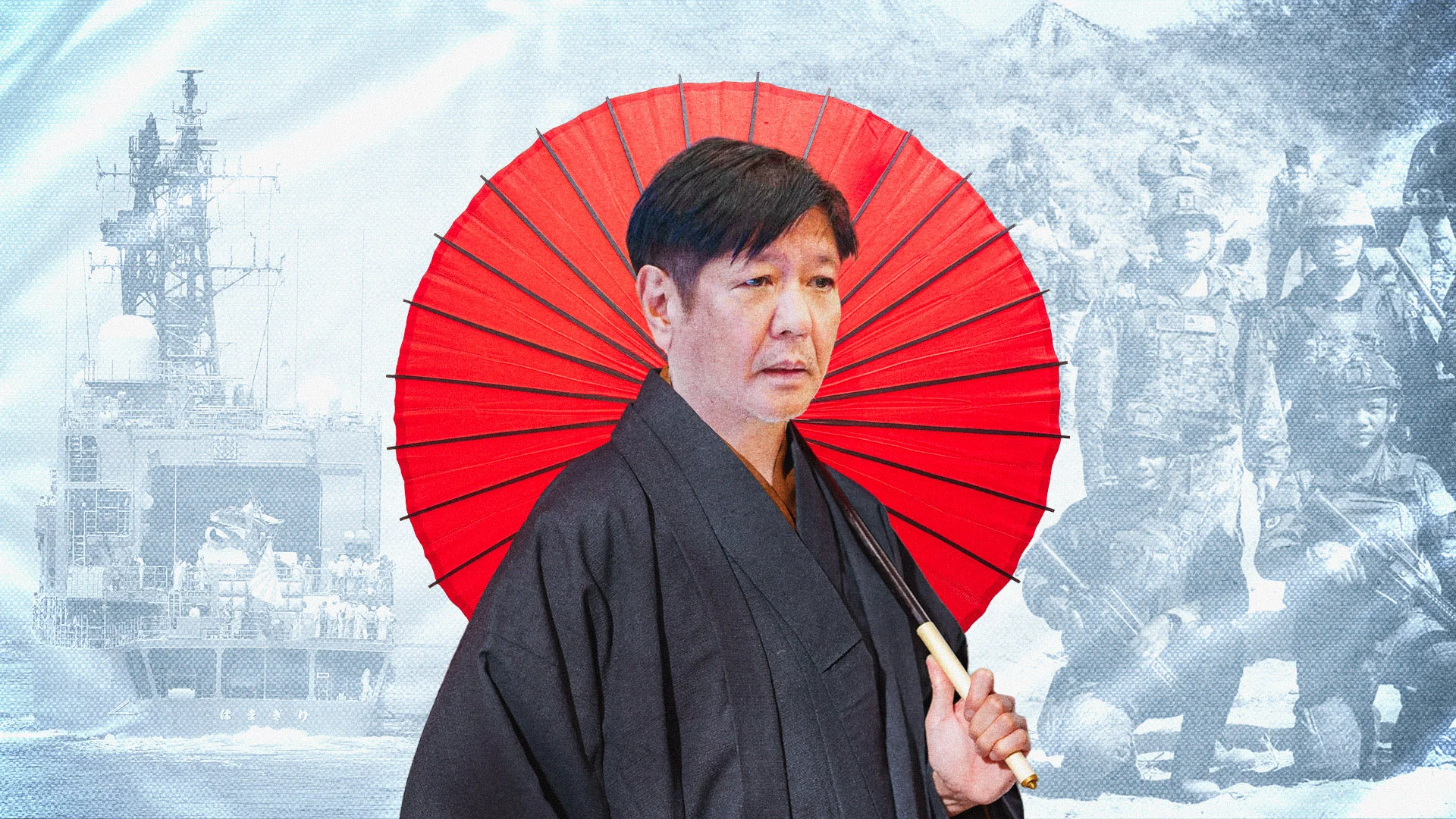
Nakatakdang magsagawa ng state visit si Pangulong Ferdinand Marcos Jr. sa Japan mula Mayo 26 hanggang 29, na nagha-highlight ng isang mahalagang sandali sa ugnayan ng Pilipinas at Japan. Ang pagbisitang ito ay hindi lamang ang kauna-unahang state visit ng isang lider ng Pilipinas sa loob ng 11 taon kundi nagdiriwang din ito ng ika-70 anibersaryo ng ugnayang diplomatiko sa pagitan ng dalawang bansa.
Tinutukoy ng mga eksperto na ang pagbisitang ito ay nagpapakita ng matibay na ugnayan sa pagitan ng Pilipinas at Japan. Binibigyang-diin ni Yusuke Takagi, isang espesyalista sa Timog-Silangang Asya, na ang relasyon ay lumalampas sa mga indibidwal na pampulitikang pigura, na nagpapatibay sa pangako sa malakas na ugnayang bilateral.
Isang Bagong Panahon ng Depensa
Dumating si Marcos sa Tokyo sa gitna ng makabuluhang pagbabago sa patakaran sa depensa ng Japan. Kamakailan, nagpadala ang Japan ng mga combat troops sa Pilipinas para sa magkasanib na military exercises, na nagmamarka ng isang makasaysayang unang pagkakataon mula noong Ikalawang Digmaang Pandaigdig. Ang hakbang na ito ay umaayon sa kamakailang pagtanggal ng mga restriksyon sa pag-export ng armas ng Japan, na nagpapahintulot sa paglilipat ng mga kagamitang militar, kabilang ang mga destroyer at missile, sa Pilipinas.
Tinanggap ni Kalihim ng Depensa Gilberto Teodoro ang mga pagbabagong ito, na nagsasabing mapapalakas nito ang access ng Pilipinas sa de-kalidad na kagamitang pangdepensa. Naniniwala siya na ang pakikipagtulungan na ito ay makatutulong nang malaki sa katatagan ng rehiyon at palalakasin ang kakayahan ng bansa sa depensa.
Ang aming pakikipagtulungan sa depensa sa Japan ay pumasok sa isang bagong panahon ng pagtutulungan.
Gilberto Teodoro
Ang umuunlad na estratehiya sa depensa ng Japan ay bahagi ng mas malawak na tugon sa tumataas na tensyon sa geopolitika, partikular na tungkol sa pagsusumikap ng Tsina sa South China Sea. Ang pagbabagong ito ay makikita sa pamumuno ni Punong Ministro Sanae Takaichi, na naging vocal sa pagpapalakas ng postura ng depensa ng Japan.
Pagtatayo sa Legasiya ni Abe
Ang pundasyon para sa mas malalim na ugnayan sa depensa ay naitatag sa ilalim ng administrasyon ng dating Punong Ministro Shinzo Abe, na naglipat ng kooperasyon sa seguridad mula sa mga makatawid na pagsisikap tungo sa isang estratehikong pakikipagsosyo. Sa paglipas ng mga taon, ang mga inisyatiba ay kinabibilangan ng pagpapalakas ng mga kakayahan sa dagat ng Philippine Coast Guard at mga kasunduan para sa magkasanib na pagsasanay militar.
Ang mga kamakailang kasunduan sa militar, tulad ng Reciprocal Access Agreement at Acquisition and Cross Servicing Agreement, ay higit pang nagpapatibay sa pakikipagsosyo na ito, na nagpapahintulot sa mga tropa mula sa parehong bansa na magsagawa ng mga ehersisyo sa teritoryo ng isa't isa.
Habang naghahanda si Pangulong Marcos para sa kanyang pagbisita, parehong umaasa ang dalawang bansa na maitaguyod ang kanilang mga sama-samang pagsisikap sa depensa at seguridad, na nagmamarka ng isang makabuluhang kabanata sa kanilang makasaysayang relasyon.