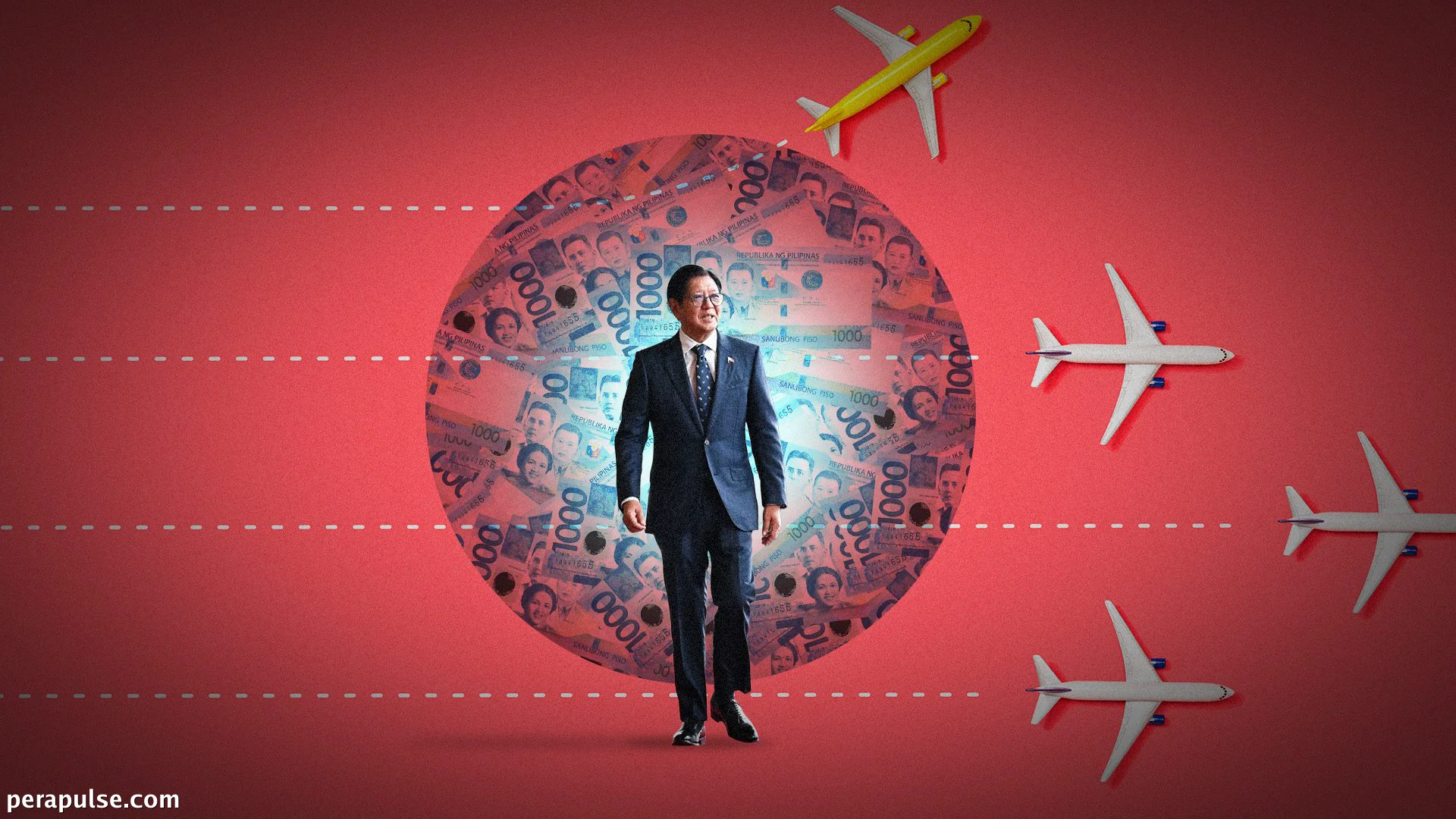
President Ferdinand Marcos Jr. has made 47 foreign trips since taking office, outpacing former presidents Benigno Aquino III and Rodrigo Duterte in both frequency and spending. His latest trip is a working visit to Singapore from October 7 to 11, marking his sixth visit to the country.
A Shift in Presidential Travel Patterns
"The Marcos administration has decided to engage more with the international community to show that the Philippine government has support from other countries," said Professor Jean S. Encinas-Franco, a political science expert at the University of the Philippines Diliman.
Jean S. Encinas-Franco, UP Diliman
- Marcos has completed 27 working visits, 12 state visits, and 7 official visits.
- He received a record travel budget of P1.7 billion in 2025, surpassing Duterte's foreign travel budget.
Marcos’s travel strategy focuses on enhancing foreign relations and attracting investments to the Philippines. His six visits to Singapore tie with the U.S. as his most frequented destination, underlining a keen interest in strengthening ties with business and government leaders.
Comparative Analysis of Travel Spending
In terms of budget, Marcos has allocated P3.74 billion for foreign travel from 2023 to 2026, compared to Duterte's P2.55 billion. This spending pattern reflects a significant shift from the previous administration's more restrained approach to overseas trips.
Aquino and Duterte were known for their reluctance to travel extensively. Duterte notably expressed disdain for international trips, particularly during the COVID-19 pandemic, which limited overseas engagements.
Marcos’s approach not only aims to rehabilitate his family's image but also seeks to diversify the Philippines' international alliances amid ongoing tensions in the West Philippine Sea.
Implications for Philippine Diplomacy
The increase in foreign travel under Marcos could enhance the Philippines' visibility on the global stage, potentially leading to more investment opportunities. However, it also raises questions about the effectiveness of such trips in achieving long-term diplomatic goals.