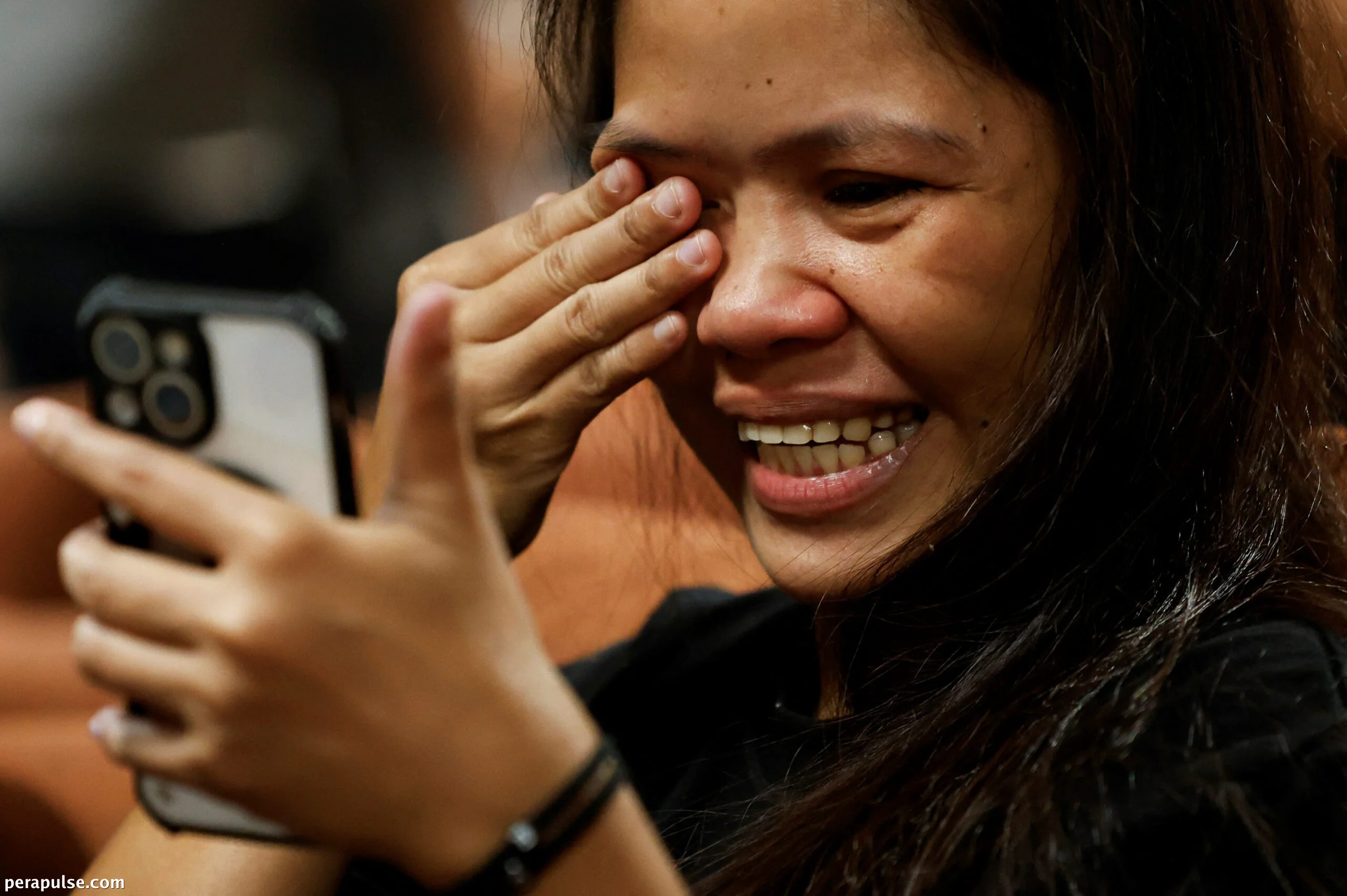
In a significant move, President Ferdinand Marcos Jr. announced on September 25, 2026, that he has granted an absolute pardon to Mary Jane Veloso, a former overseas Filipino worker who faced a death sentence in Indonesia for drug trafficking.
Confirming the decision, Marcos stated, "Pinirmahan ko na. Pinirmahan ko na 'yong pardon niya kahapon" (I signed it already. I signed her pardon yesterday).
Veloso's attorney, Edre Olalia from the National Union of People’s Lawyers, expressed relief and joy, proclaiming, "FINALLY! See you, Mary Jane!"
Background of the Case
Mary Jane Veloso was arrested in 2010 after unknowingly carrying heroin to Indonesia, a situation reportedly orchestrated by her recruiters. Despite maintaining her innocence, she was sentenced to death in 2015.
Her case garnered international attention, leading then-President Benigno Aquino III to intervene at the last minute, saving her from execution by converting her into a state witness against drug syndicates.
After spending nearly a decade in detention, Veloso returned to the Philippines in December 2024, where she continued to advocate for her release.
The Pardon Process
The absolute pardon granted by Marcos extinguishes Veloso's criminal liability and restores her civil rights. According to the Parole and Probation Administration, this action remits the penalty imposed for her offense.
Her family and supporters had been urging the Marcos administration for clemency, and the pardon comes as a relief after years of uncertainty.
My appeal to the President is that I be given clemency.
Mary Jane Veloso
This decision reflects a broader dialogue about the treatment of overseas workers and the implications of drug laws, particularly in Southeast Asia, where harsh penalties remain prevalent.