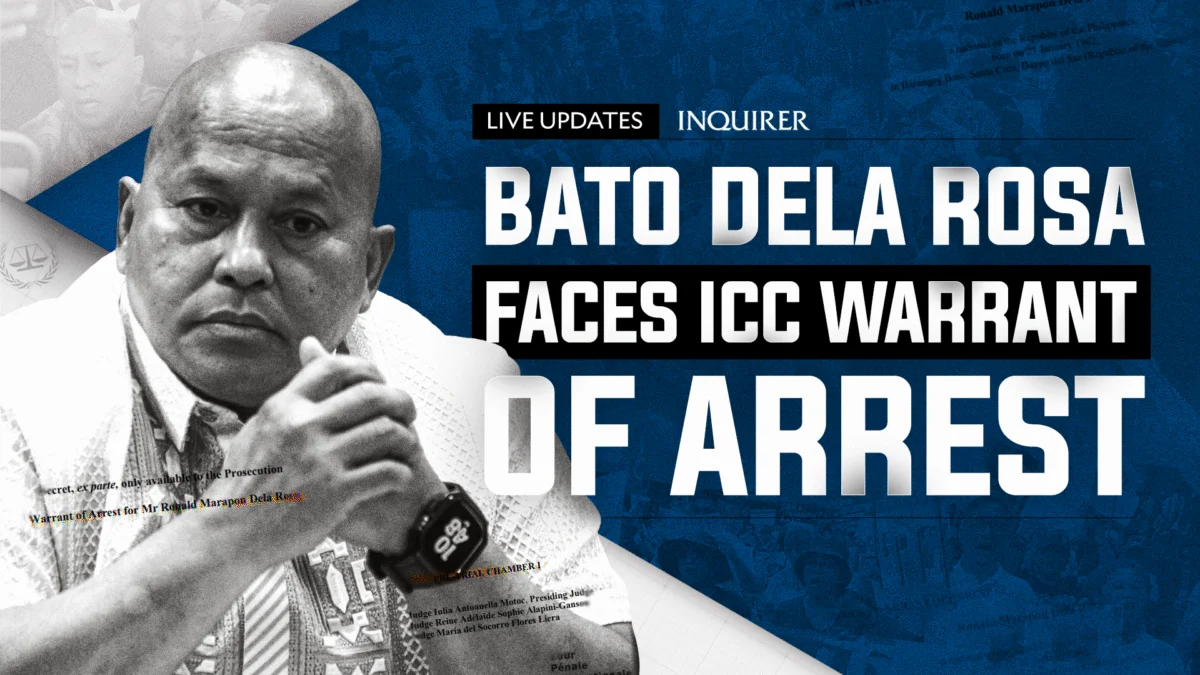
Senator Ronald 'Bato' dela Rosa is currently under protective custody in the Senate as he grapples with an arrest warrant issued by the International Criminal Court (ICC). This warrant is linked to his alleged involvement in the controversial war on drugs initiated by former President Rodrigo Duterte.
Dela Rosa has not left the Senate compound since Monday, following an agreement with the new Senate leadership to ensure his safety. Senate President Alan Peter Cayetano stated that the Senate will only acknowledge warrants from Philippine courts, while the executive branch has indicated it will not interfere.
The possibility of dela Rosa's arrest has ignited protests and political disputes, prompting five senators to advocate for his voluntary surrender to authorities. Human rights advocates and other organizations continue to call for his arrest and transfer to The Hague.
Ongoing Tensions Inside the Senate
'We are allegedly under attack,' Senate President Alan Peter Cayetano said, confirming reports of gunfire in the Senate building.
Senate President Alan Peter Cayetano
As tensions escalated, gunshots were reportedly heard within the Senate premises, leading to increased security measures. Videos posted on social media showed security personnel reinforcing barriers at the main gate.
In light of the ICC warrant, the Senate's Acting Sergeant-at-Arms stated that no arrest would occur without a court order and proper coordination with the Senate leadership.
Dela Rosa, who previously challenged the ICC, now finds himself listed as a 'defendant at large' on the ICC's official website. His current legal situation has raised questions about the Philippines' obligations under international law.
Public Reactions and Future Developments
Public sentiment remains divided, with supporters calling for prayer vigils outside the Senate, while opponents demand accountability for his actions during the drug war. The Supreme Court has also intervened, ordering executive officials to respond to dela Rosa's legal motions.
As the situation unfolds, the political landscape in the Philippines continues to shift, with implications for both the Senate and the broader governance framework regarding international judicial cooperation.