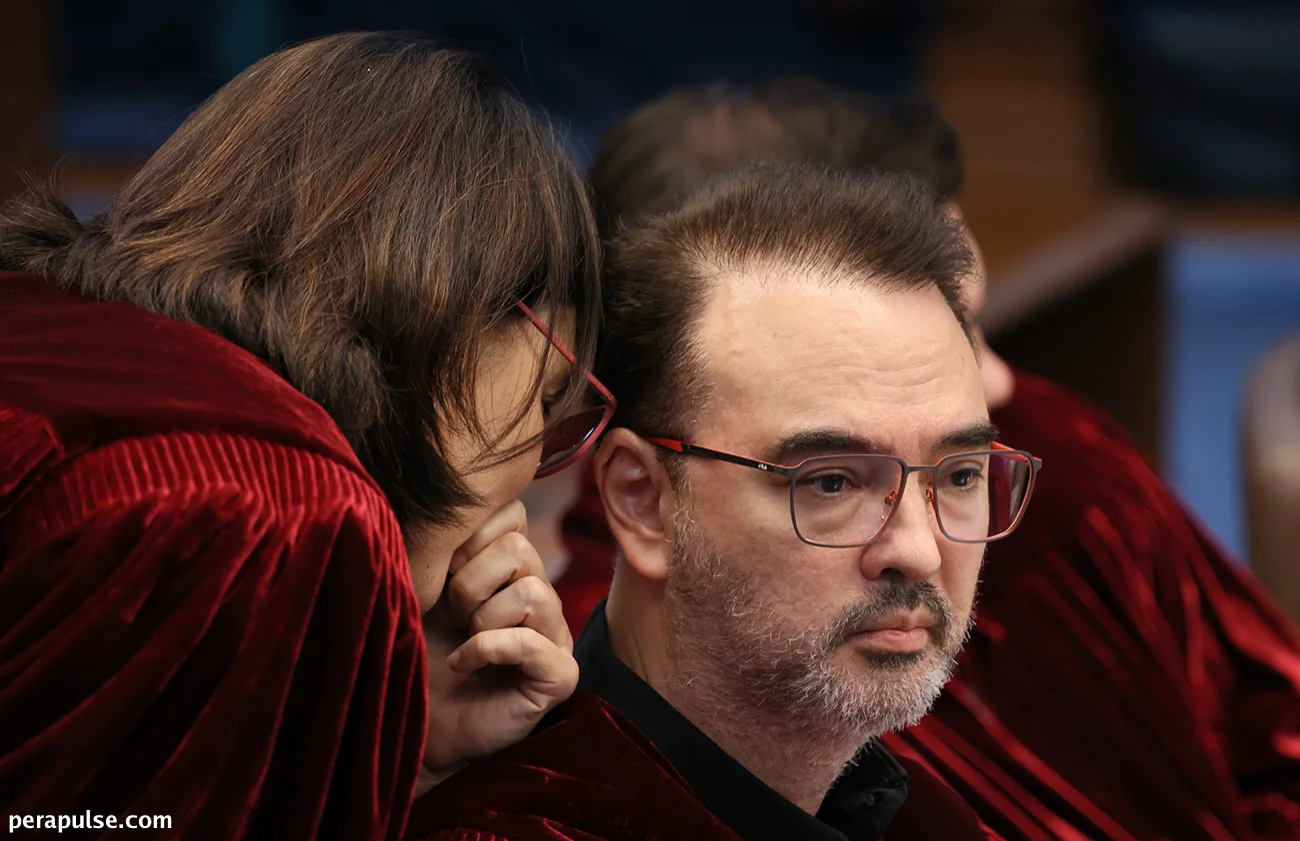
The impeachment trial concerning Vice President Sara Duterte's financial records continues, with House prosecutors asserting that Senator-judge Alan Peter Cayetano's dissent will not invalidate the court's subpoena ruling.
Legal Context of Dissenting Opinions
Under the rules of the Senate for impeachment, a senator-judge always has the right to file an objection.
Rep. Jose Manuel Tadeo Diokno, House Prosecutor
During a press briefing, Rep. Jose Manuel Tadeo “Chel” Diokno and Atty. Benjamin “Jay” Tolosa Jr. clarified that while Cayetano's objections would be acknowledged, they would not affect the ruling to subpoena financial and tax documents related to the vice president.
Diokno noted that the prosecution plans to review Cayetano's reasoning once a formal document is submitted. He emphasized the importance of understanding different perspectives from the senator-judges.
Tolosa reiterated that a dissenting opinion does not equate to a successful legal challenge, stating, "He has the right to dissent, but it will not change the ruling, of course."
The impeachment court previously granted subpoenas for financial documentation relevant to allegations of unexplained wealth against Duterte. The court's decision excludes foreign-currency deposits and limits the use of records predating her vice presidency.
The next steps involve the banks and agencies submitting their records by July 30, 2026. However, these subpoenas do not automatically validate the allegations against Duterte nor ensure the admissibility of the records.