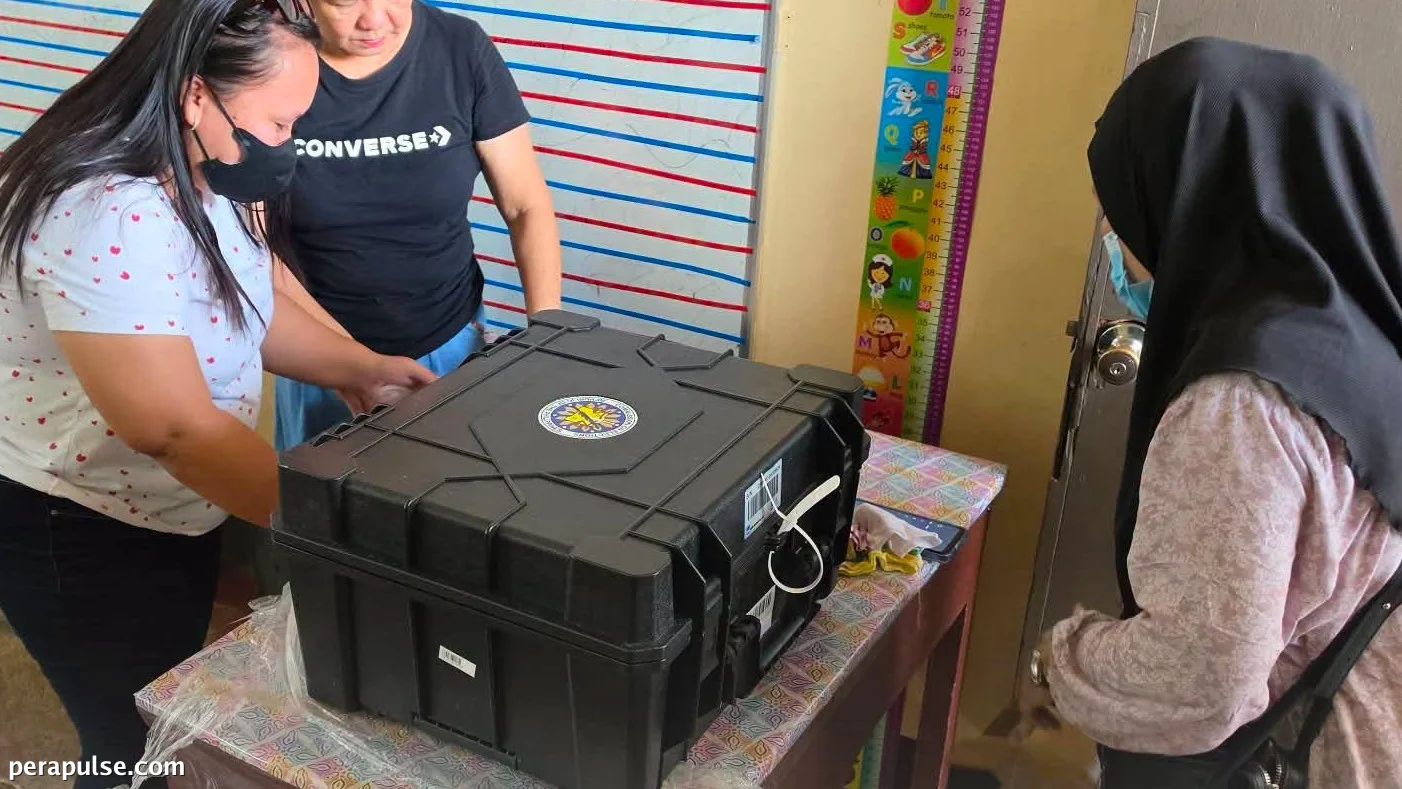
The first parliamentary elections in the Bangsamoro Autonomous Region in Muslim Mindanao (BARMM) on September 14 are expected to strengthen the region's governance framework. Datu Michael Mastura, former head of the Moro Islamic Liberation Front (MILF) peace panel, highlighted the significance of this electoral process.
Mastura pointed out that the elections represent a crucial opportunity for reform. He stated, "We should use these elections as a reform movement. We are moving into a system that will discourage one-man rule."
He elaborated on the need for a robust bureaucracy and a strong party system, stating, "In exchange, we have the assembly or parliament. We would like to see a strong bureaucracy, coupled with a strong party system."
Mastura emphasized the importance of MILF's transition from an armed group to a legitimate political entity. He urged the group to seek legitimacy through participation in the elections, noting that this shift is essential for their evolution into a parliamentary party.
Significant Historical Context
This election comes 50 years after the signing of the Tripoli Agreement in 1976, which marked a turning point in peace negotiations involving the Moro National Liberation Front (MNLF). The 1996 Final Peace Agreement further advanced these efforts, leading to the establishment of BARMM following the Comprehensive Agreement on the Bangsamoro in 2014.
In a recent statement, President Ferdinand Marcos Jr. confirmed the government's commitment to ensuring the successful conduct of the elections. He declared September 14 a special non-working day in BARMM to facilitate voter participation.
We are determined that we will push through with the elections and to finally achieve our goal of having a duly elected parliament in the Bangsamoro Autonomous Region in Muslim Mindanao.
President Ferdinand Marcos Jr.
The successful conduct of these elections is seen as pivotal for the future governance of BARMM, aligning with the democratic aspirations of its people.