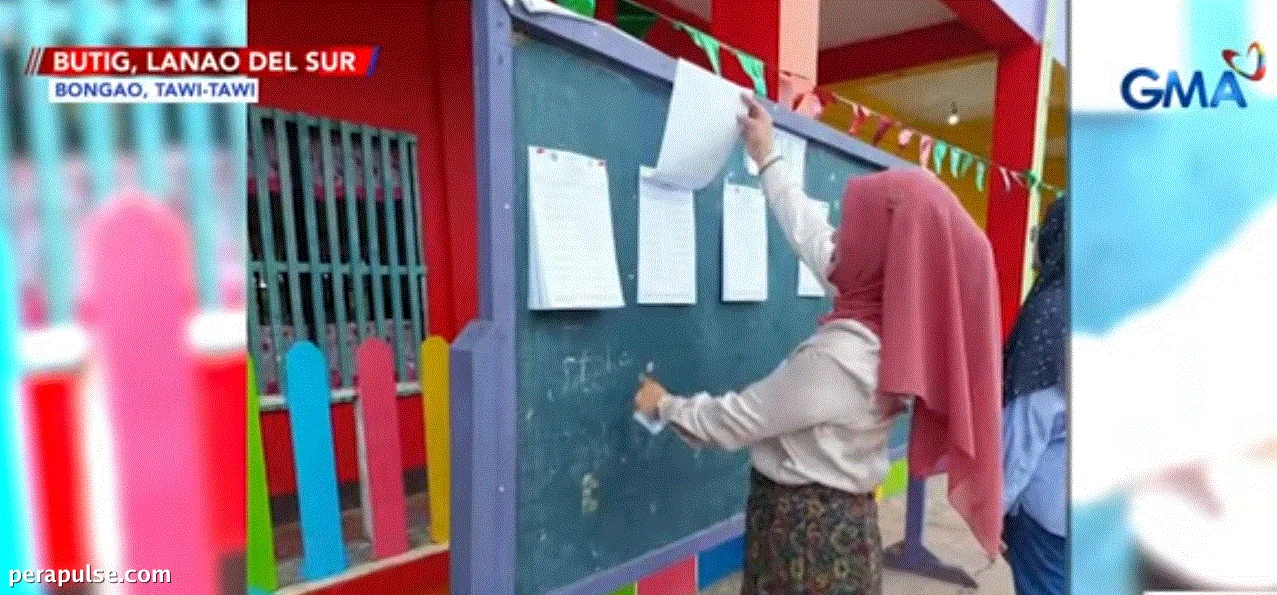
The Bangsamoro Autonomous Region in Muslim Mindanao (BARMM) is gearing up for its first parliamentary elections on September 14, 2026. This significant event marks the transition from the interim Bangsamoro Transition Authority (BTA) to an elected regional government.
Importance of the BARMM Elections
This election is seen as a crucial step in the peace process that began in 1968, culminating in the establishment of BARMM. President Ferdinand Marcos Jr. emphasized the elections' importance, urging citizens to safeguard the progress made in achieving peace.
Voter Registration and Precincts
With 2.393 million registered voters, BARMM has set up 5,212 voting precincts across its municipalities and cities. To aid voters, the Commission on Elections (Comelec) launched a Precinct Finder tool, allowing citizens to verify their voting locations.
Voting Hours and Accessibility
Voting will start at 5 a.m. for senior citizens, persons with disabilities, and pregnant women, while regular voting begins at 7 a.m. All polling places will close at 7 p.m.
Understanding Election Areas of Concern
The region has identified 108 election areas of concern (EACs), categorized by security risks. Areas range from those deemed peaceful to those facing serious threats, which could affect the election's security.
Composition of the BARMM Parliament
The BARMM parliamentary government will consist of 80 seats: 40 for party representatives, 32 for district representatives, and 8 for sectoral representatives. This structure aims to ensure diverse representation for various groups, including Indigenous Peoples.
Governance Structure in BARMM
In BARMM, legislative power resides with the Bangsamoro Parliament, while the Chief Minister oversees the executive branch. Judicial authority is held by the Supreme Court and Shari’ah courts, integrating regional governance within the Philippine judicial system.