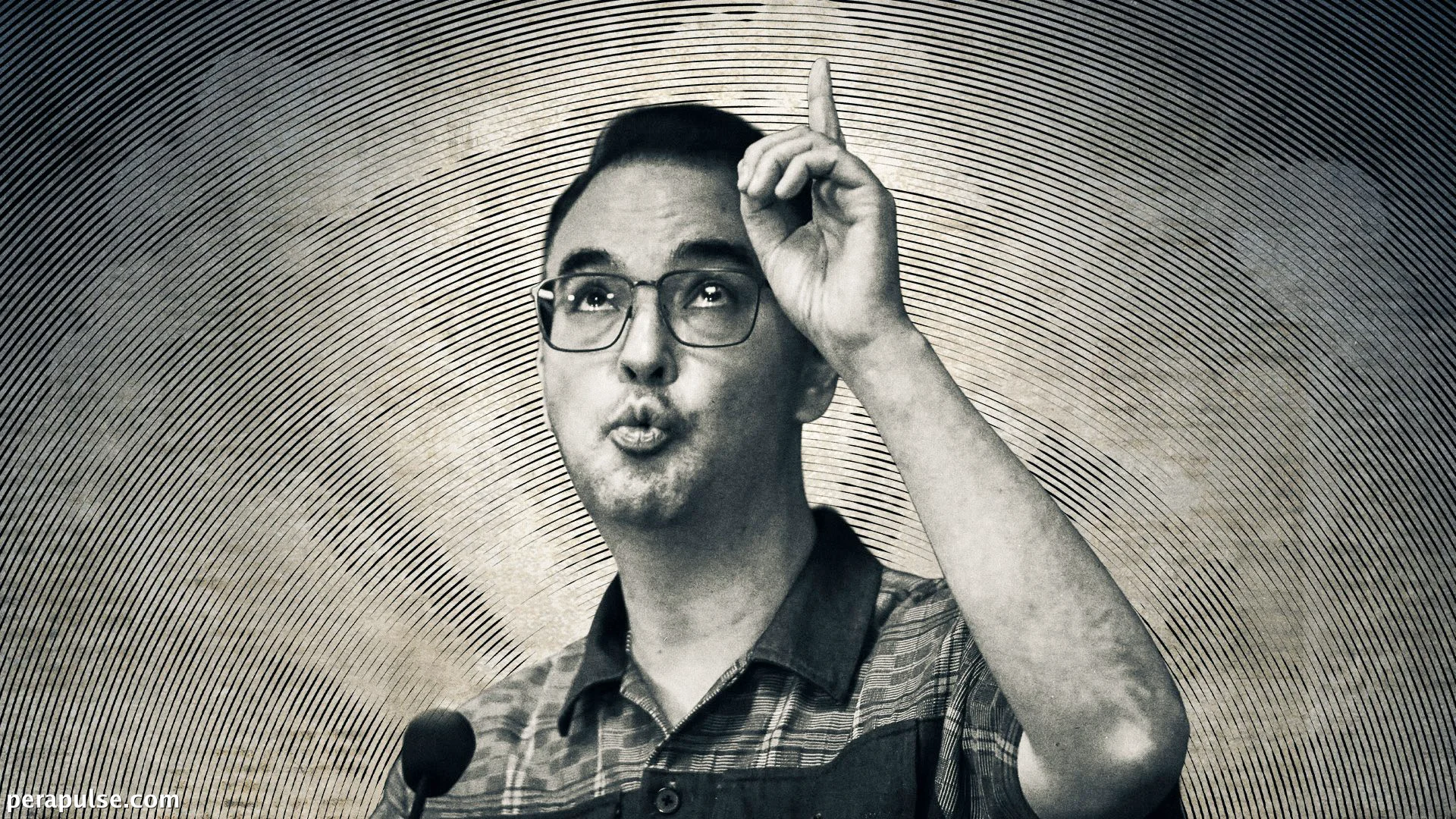
Senate President Alan Peter Cayetano has stirred public debate with his recent statements blending politics and faith. Following a chaotic Senate session marked by gunfire, he claimed, 'God has never doubted me,' signaling a troubling intersection of piety and political maneuvering.
The Controversial Invocation of Faith
More than being Alan Cayetano, or a senator, a former secretary of foreign affairs, a former speaker or congressman, I believe I am an ambassador of the Lord Jesus Christ.
Alan Peter Cayetano, Senate President
- Cayetano's remarks came after a Senate session involving a wanted senator.
- He has often framed his political defense in theological terms.
Cayetano's claims to divine support have been met with skepticism, particularly after his defense of former President Rodrigo Duterte, who is facing international scrutiny for alleged human rights violations. Critics argue that true faith should advocate for justice and accountability, not shield powerful figures.
Throughout his political career, Cayetano has shifted allegiances, often aligning with whoever holds power. His public expressions of faith seem to serve his interests more than any genuine adherence to Christian values.
A History of Selective Piety
This pattern of selective piety is not a new phenomenon in Filipino politics. Many leaders have invoked faith to bolster their public personas while failing to address pressing social issues. Cayetano's case highlights a broader trend where political figures leverage religious rhetoric to deflect criticism.
As the Philippines grapples with the legacy of Duterte's administration, Cayetano's actions may reflect the ongoing struggle between political expediency and moral integrity. The senator's approach raises essential questions about accountability and the role of faith in governance.