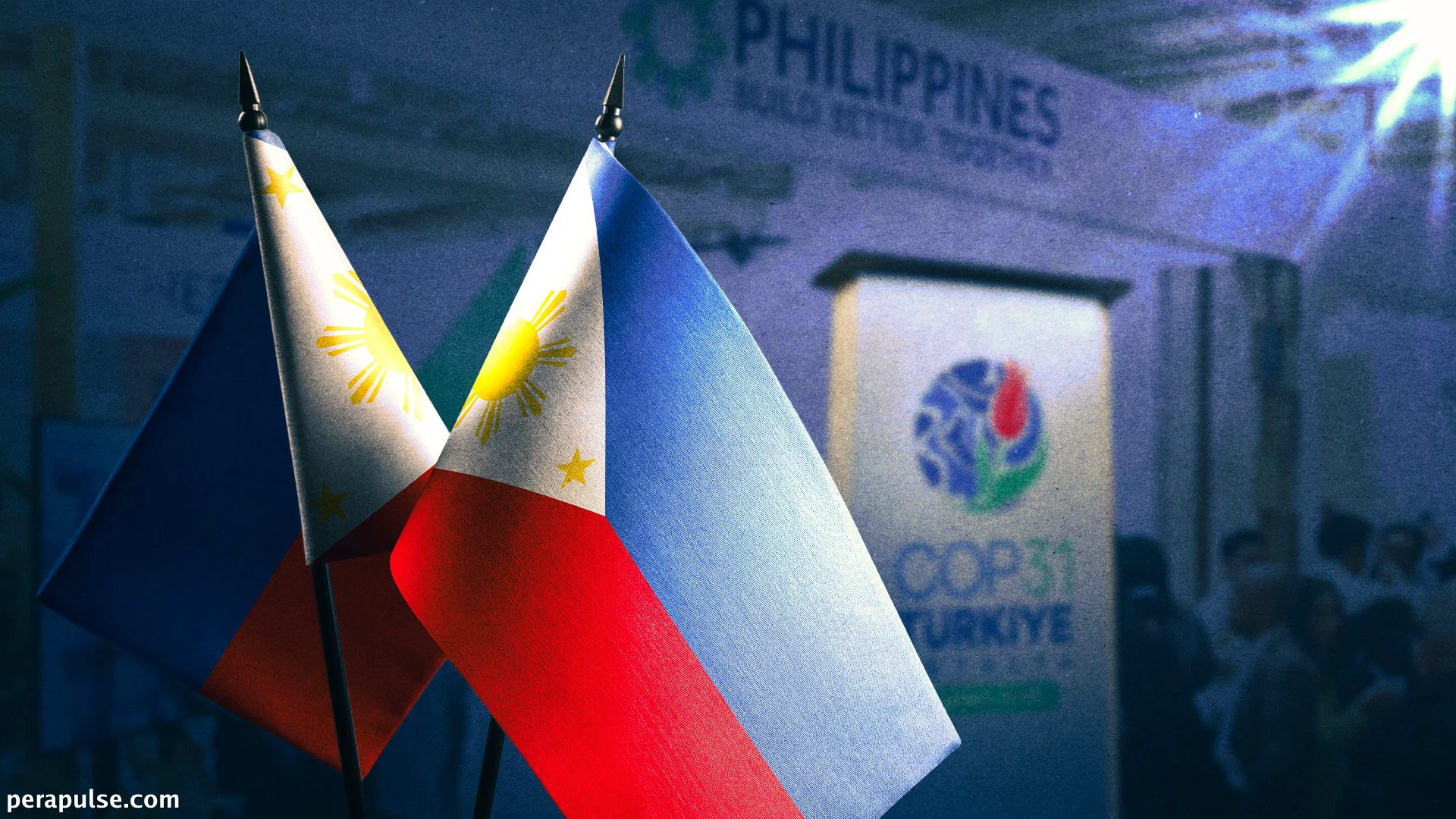
At the recently concluded COP31 in Antalya, Turkey, the Philippine government made significant strides in presenting its climate action agenda. However, the real question remains: will these ambitious pledges lead to tangible outcomes for the nation?
The Philippine Pavilion's Key Announcements
During the event, the Philippines unveiled several crucial frameworks aimed at shaping its climate response over the next decade. These include:
- The 2026 Nationally Determined Contribution, targeting a 75% reduction in emissions.
- The Just Transition Framework, ensuring a low-emissions, inclusive development strategy.
- The Philippine Carbon Market Policy Framework, which focuses on attracting investments.
- The Philippine Climate Finance Strategy, detailing avenues for securing necessary funding.
These frameworks reflect a collective effort from various stakeholders, including civil society and private sector organizations, to craft a comprehensive climate action plan.
The Cost of Participation
The Philippine presence at COP31 was made possible by a budget allocation of approximately P23 million from the 2026 General Appropriations Act. This investment follows criticisms faced at COP30 for not having a national pavilion.
Despite the hefty expenditure, many question whether this was a wise use of resources, especially in light of ongoing economic challenges and recent scandals in governance.
A Historical Context
Historically, the Philippines has been one of the most vulnerable nations to climate change impacts. It is crucial for the government to not only make pledges but also demonstrate its capacity to implement these plans effectively.
With global temperatures rising and the stakes higher than ever, the Philippines must ensure that its commitments align with its responsibilities under international law, particularly following the International Court of Justice's 2025 advisory opinion on climate change accountability.
The Road Ahead
COP31 was marked by a lack of significant agreements, raising concerns about the overall efficacy of global climate negotiations. For the Philippines, the challenge now lies in translating these pledges into actionable, ground-level changes that enhance climate resilience and mitigate impacts.
As the dust settles from COP31, the real measure of success will be whether the Philippine government can deliver on its promises, ensuring that vulnerable communities are supported and that polluters are held accountable.