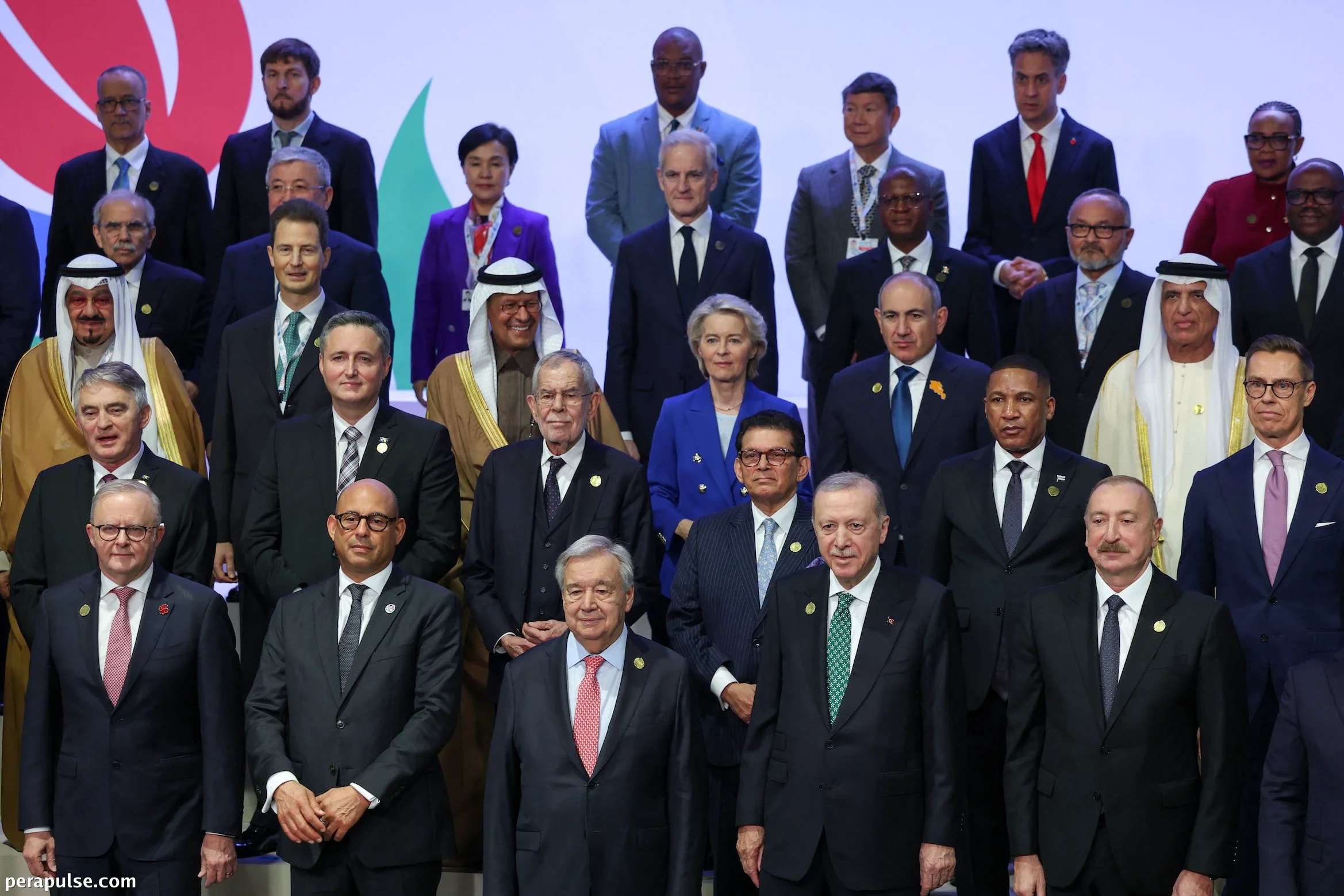
During the COP31 summit in Antalya, Turkey, leaders are reshaping the narrative around climate action, urging that it not only addresses environmental concerns but also serves as a vital economic strategy.
The summit takes place against a backdrop of global economic turmoil, where rising inflation and energy prices have become pressing issues for many nations. The ongoing conflict in the Middle East has exacerbated these challenges, disrupting oil supplies and affecting economies worldwide.
UN Secretary-General Antonio Guterres highlighted the plight of countries reliant on fossil fuel imports, describing them as vulnerable to price shocks. He argued that transitioning to renewable energy is critical for economic stability.
Three-quarters of humanity live in countries that import fossil fuels, hostage to price shocks they did not create and cannot control.
Antonio Guterres, UN Secretary-General
Simon Stiell, head of the UN’s climate office, echoed these sentiments, noting that the chaos in energy markets and climate-related disasters are driving inflation and impacting household budgets.
John Kerry, former US Secretary of State, supports this reframing, suggesting that discussions around climate should include themes of security, health, and job stability, which resonate more with the public.
Despite this new approach, many speakers underscored the necessity of grounding climate policies in scientific evidence. The Slovenian President Natasa Pirc Musar emphasized the need for political action driven by facts rather than temporary political interests.
European Energy Commissioner Dan Jorgensen noted that even individuals skeptical about climate change could agree on the strategic necessity of reducing fossil fuel dependency for enhanced security.