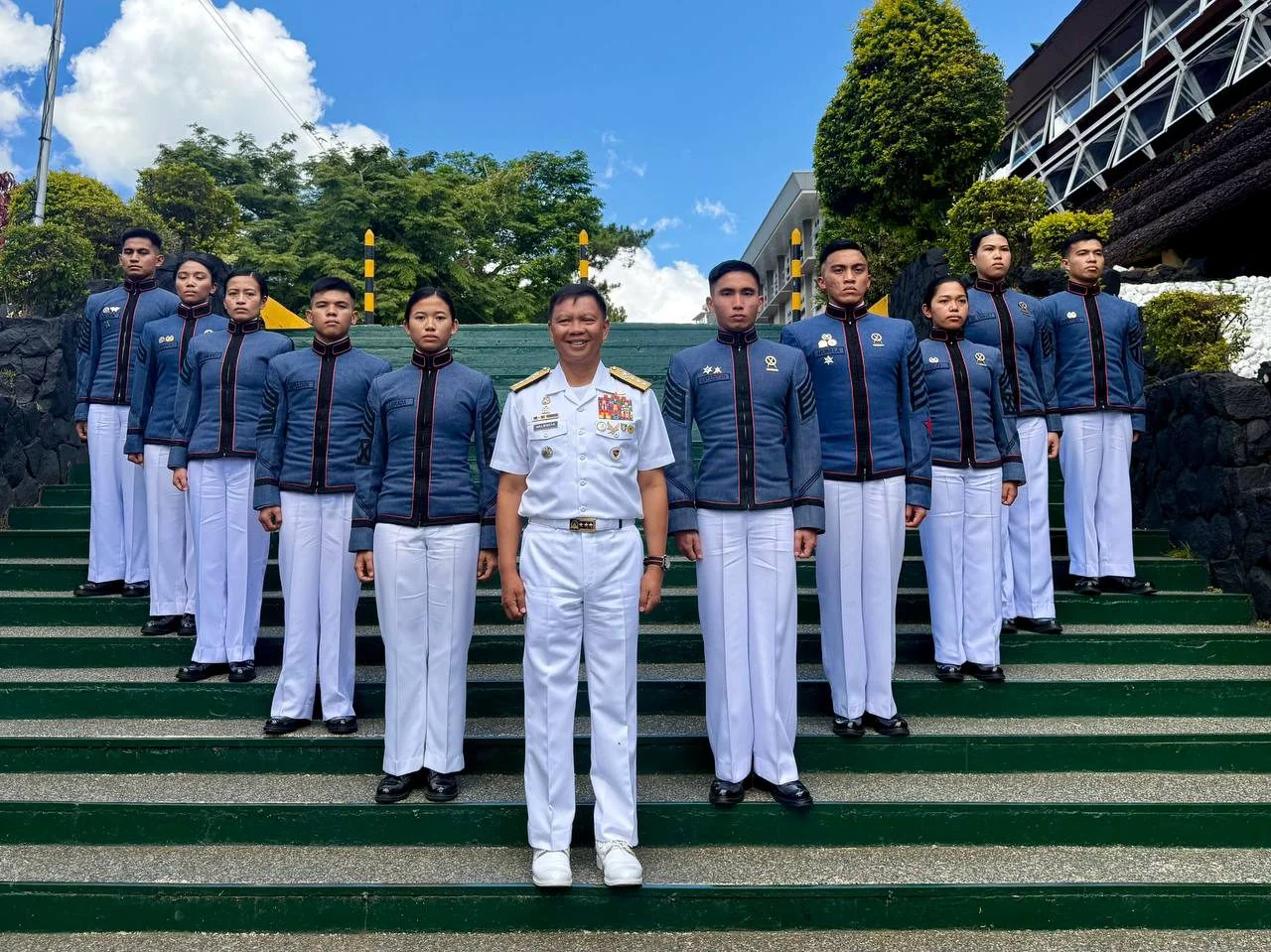
The Philippine Military Academy (PMA) Class of 2026 is making headlines for its innovative training approach that merges traditional military drills with advanced cyber skills. This year's graduates reflect a notable balance in their branch preferences, a shift from previous years.
Out of the 207 graduates, 76 opted for the Philippine Army, 69 for the Navy, and 62 for the Air Force. This contrasts sharply with previous years, where the Army dominated recruitment.
PMA Superintendent Vice Admiral Caesar Bernard Valencia credits this balance to a strategic pivot in military focus from internal security to broader territorial defense.
This training integrates land, air, and naval components to prepare cadets for modern warfare.
Vice Admiral Caesar Bernard Valencia
The Class of 2026 is the first to participate in a multi-domain training environment, reflecting the Armed Forces' commitment to modern warfare tactics, including drone and cyber operations.
The PMA has adopted a 'gamified' learning approach, using electronic games to enhance strategic thinking and decision-making skills. Additionally, the curriculum now incorporates microcredentials in programming, data analytics, and cyber warfare.
Valencia also announced plans for an e-sports partnership with the United States Military Academy, enhancing cadets' strategic capabilities in a virtual training environment.
To support these modern initiatives, the PMA has upgraded its training infrastructure, including simulators and digital systems, and expanded its international collaborations.
Currently, 45 PMA cadets are studying abroad in countries like the US, Australia, and Japan, with plans to include Italy and Canada in the program next year.