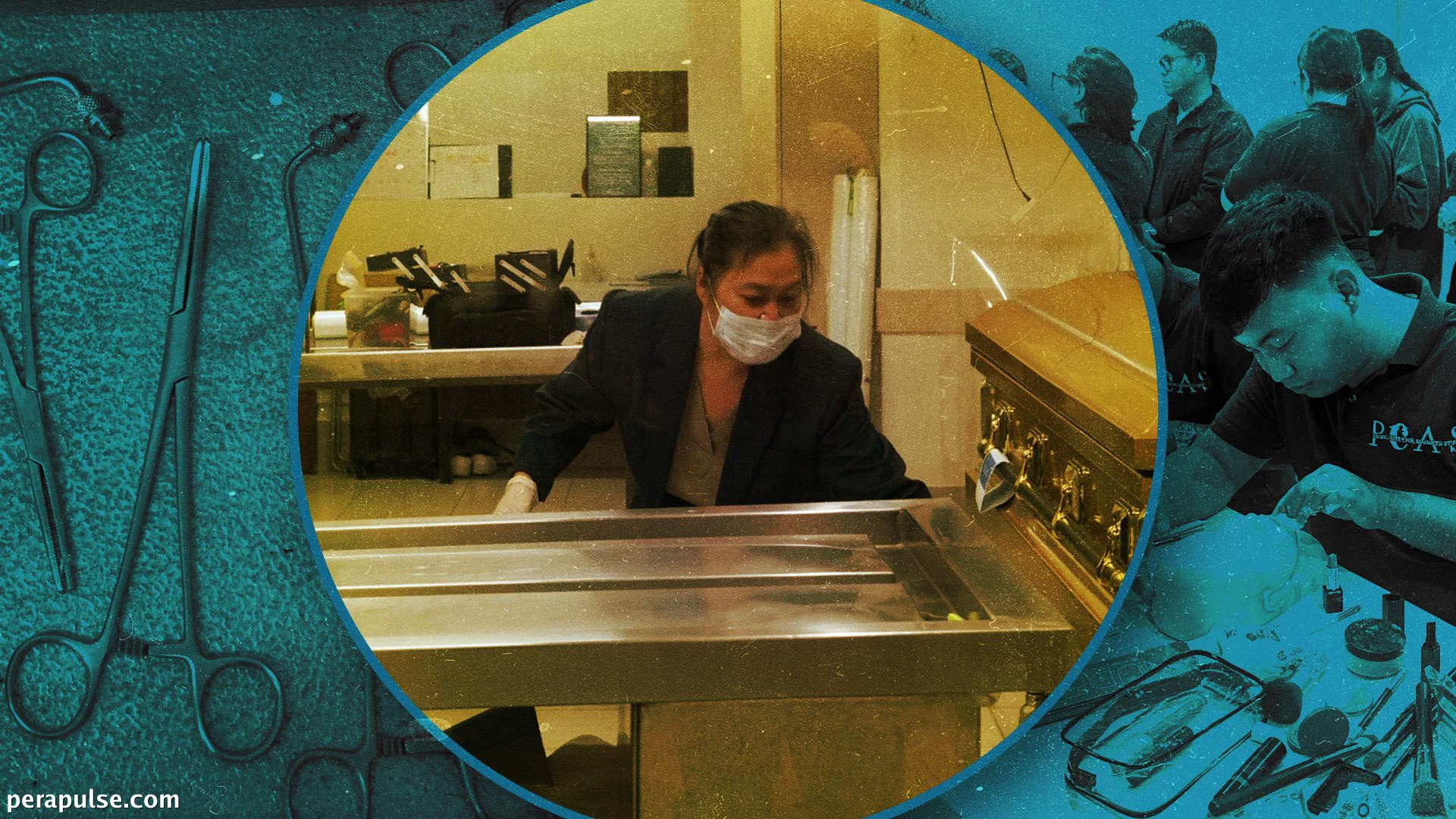
Embalmers in the Philippines are often unsung heroes, crucial in preparing the deceased for their final goodbyes. These professionals skillfully handle the delicate task of preserving bodies, allowing families to mourn with dignity.
The Education and Challenges Faced by Embalmers
To become licensed embalmers, individuals must complete specific educational requirements. This includes a high school diploma, at least 140 hours of training, and practical experience embalming a minimum of 10 cadavers within a year.
Once trained, embalmers must pass a licensing exam, which they need to renew every three years. Despite these qualifications, embalmers often face stigma, perceived as unclean or uneducated due to the nature of their work.
“If we weren’t here, who would take care of the dead?”
Joycel Regalado, embalmer
In 2018, around 5,000 licensed embalmers were registered in the country, but estimates now suggest that the number exceeds 6,000. Compensation varies widely, with some earning minimum wage and others being paid per corpse, typically around P1,000.
Emotional Toll and Resilience
Conversations with embalmers reveal an emotional vulnerability, particularly when dealing with the remains of infants. Their work can evoke deep sorrow, as many embalmers are parents themselves.
The ongoing challenges of climate change, such as the Super El Niño, and rising energy costs further complicate their work environment. As the nation grapples with these issues, the importance of acknowledging the roles of professions like embalming becomes clearer.
In a society where the living must cope with loss and grief, the contributions of embalmers are essential. Their dedication ensures that families can honor their loved ones with the respect they deserve.