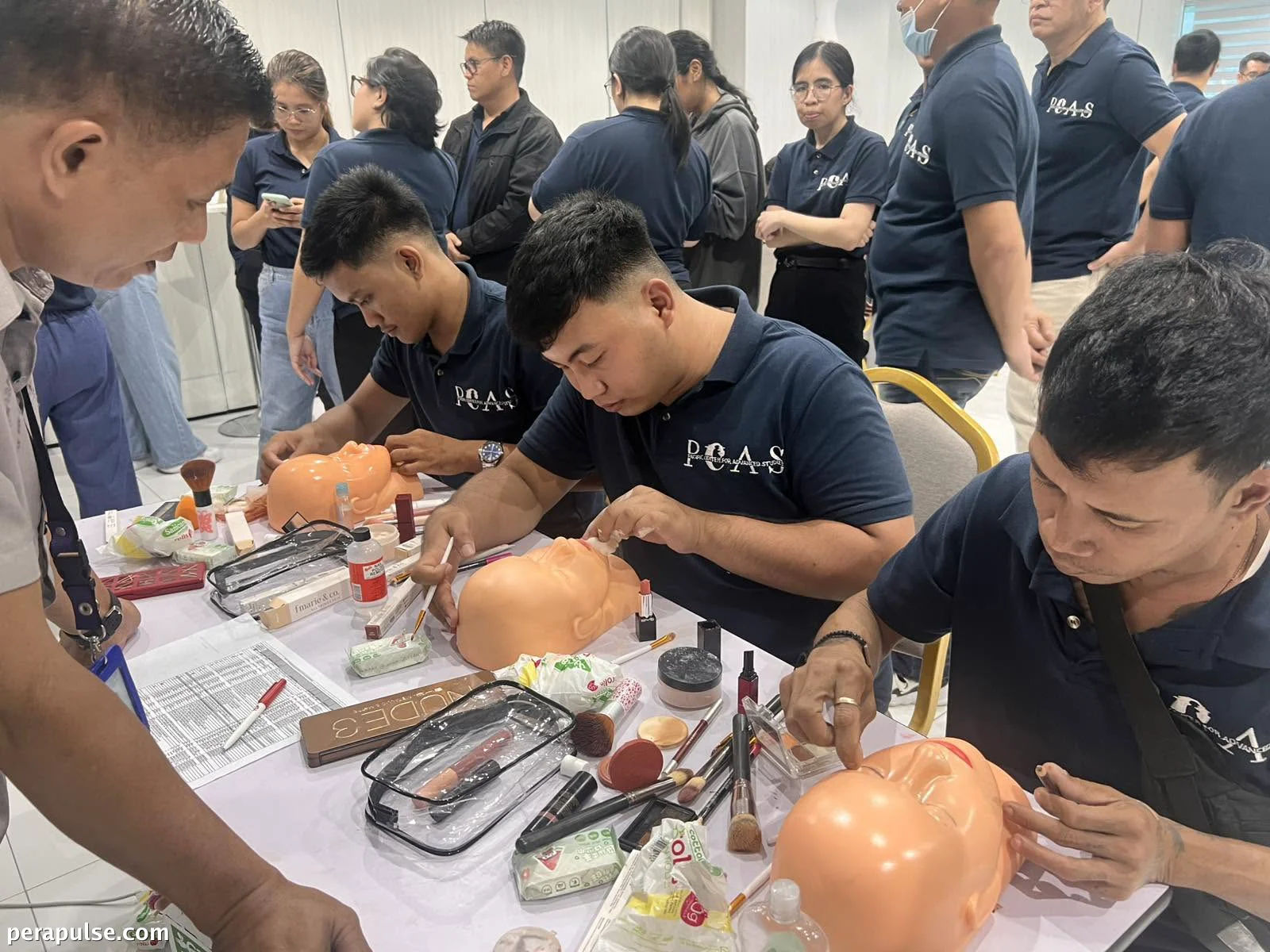
Filipino embalmers, often referred to as the last caretakers of the deceased, are essential in ensuring that families can properly mourn their loved ones. However, despite their critical role in the funeral industry, they face significant challenges, including low pay and limited representation.
A Shift in Perception
Historically viewed as uneducated laborers, embalmers are now gradually gaining recognition as skilled professionals. Jonnel Cribello, a licensed embalmer and trainer, notes that public perception has shifted since 2010, largely due to the Department of Health's (DOH) efforts to regulate and professionalize the field.
There was an idea that it’s dirty work, the person is untidy, the person is illiterate... That image began to shift around 2010.
James Patrick Ovejera, President, Professional Embalmers Association of the Philippines Inc.
The DOH's regulations date back to 1975 but were only updated recently to include comprehensive guidelines for licensure and training. This includes a requirement for aspiring embalmers to complete 140 hours of instruction and to have embalmed at least ten cadavers.
Current Landscape and Challenges
Despite these advancements, many embalmers continue to earn only minimum wage, which ranges from P401 to P755 per day depending on the region. Additionally, they often lack hazard pay, even though they are exposed to harmful chemicals like formaldehyde.
Cribello emphasizes the need for legislative advocacy to improve wages and working conditions. He pointed out that embalmers are not represented on the committee that licenses them, unlike other medical professionals.
The Future of Embalming in the Philippines
The number of licensed embalmers in the Philippines is estimated to be between 6,000 and 6,300, but accurate data remains elusive. Many embalmers work informally or freelance, particularly in rural areas where formal training is not accessible.
Both Cribello and Ovejera are hopeful for the future of the embalming profession, advocating for better educational programs and regulations to ensure that Filipino embalmers can earn competitive wages and recognition both locally and abroad.