Isang nakababahalang viral na video ng isang kabayo na nagngangalang Kabang na hinihila sa likod ng isang trak ang nagpasimula ng alon ng galit ng publiko noong Pebrero 2026. Ipinakita ng footage ang kabayo na nahihirapang mabuhay matapos itong hilahin ng 25 kilometro bago bumagsak sa isang kalsada sa Gingoog, Misamis Oriental.
Mula sa Galit tungo sa Aksyon
Sobrang galit ako na may taong gagawa ng ganyan sa isang hayop — sa isang kabayo.
Jana Sevilla, Senior Campaigner, PETA Philippines
Agad na kumilos si Jana Sevilla mula sa PETA Philippines matapos makita ang nakakagulat na video. Nakipag-ugnayan siya sa Bureau of Animal Industry (BAI) upang imbestigahan ang may-ari, si Jose Castro, na ang ranch ay hindi nakarehistro. Isang show-cause order ang inisyu kay Castro, na nagresulta sa isang kompromiso na nagbigay-daan sa PETA na kunin ang kustodiya kay Kabang.
- Si Kabang ay na-diagnose na may malubhang pinsala kabilang ang panghihina at sakit sa balakang.
- Pumasok si Beterinaryo Dr. Steve Ternura upang magbigay ng pangangalaga at sa huli ay inampon si Kabang.
Ang pag-secure ng kustodiya kay Kabang ay kinailangan ang pag-navigate sa mga legal na hadlang. Nakipagkasundo ang PETA at Castro: hindi sila magsasampa ng legal na aksyon kung siya ay permanentlyeng magpapakawala ng pagmamay-ari sa kabayo. Ang desisyong ito ay mahalaga para sa agarang pangangalaga kay Kabang.
Isang Hamon na Paglalakbay Patungo sa Paggaling
Ang biyahe patungong Batangas para sa medikal na pagsusuri ni Kabang ay puno ng mga paghihirap. Nag-ayos ang PETA ng transportasyon sa lupa at dagat, dahil kakaunti ang mga sasakyang tumatanggap ng mga hayop. Nanatili si Dr. Ternura sa tabi ni Kabang sa buong anim na araw na paglalakbay, na malapit na minomonitor ang kanyang kalusugan.
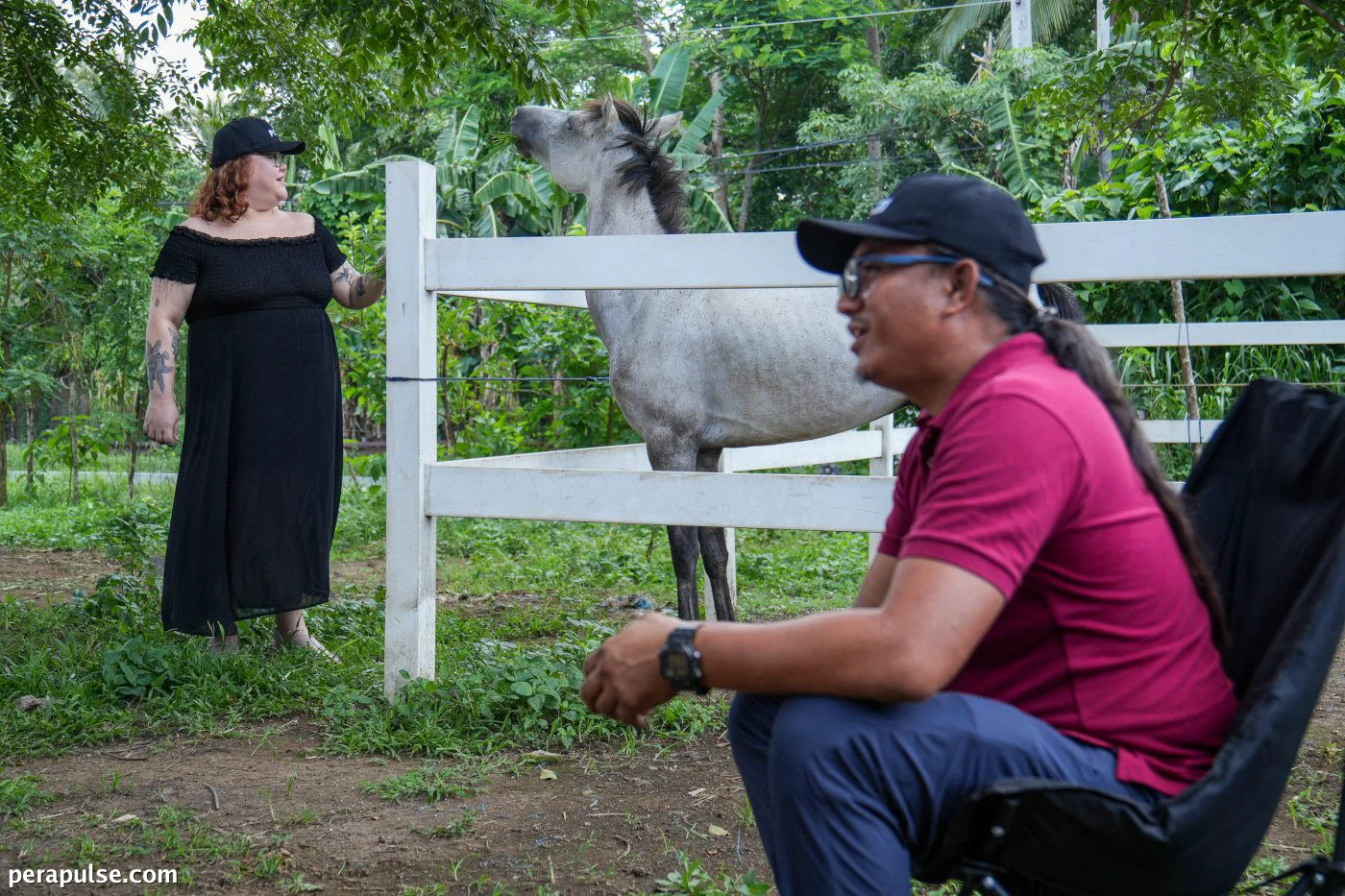
Inilarawan ni Ternura, na dati nang nakipagtulungan sa PETA sa mga pagsisikap sa pagsagip sa Bulkang Taal, ang kaso ni Kabang bilang partikular na nakakaantig. Nakaramdam siya ng agarang koneksyon sa kabayo, na binanggit ang kanyang mahinahong kalikasan.
Ang Bagong Tahanan ni Kabang
Ngayon ay nakatigil na sa Nagcarlan, Laguna, si Kabang ay nag-eenjoy ng mas magandang kalidad ng buhay. Tinitiyak ni Ternura na siya ay tumatanggap ng wastong pangangalaga, kabilang ang isang nakatutok na diyeta upang makatulong sa kanyang paggaling. Ang routine ni Kabang ay binubuo ng malayang paglalakad at magandang pagkain, isang matinding kaibahan sa kanyang nakaraang buhay.
Bagaman ang paggaling ni Kabang ay maaaring tumagal ng ilang buwan, ang kanyang pagbabago ay halata na. Malapit na minomonitor siya ni Ternura at ng kanyang koponan, na binibigyang-diin ang kahalagahan ng patuloy na pangangalaga.
Pagsusulong para sa Kapakanan ng mga Hayop
Binibigyang-diin ni Sevilla ang pangangailangan para sa pananagutan sa pangangalaga ng mga hayop, pinupuna ang ideya ng paggamit ng mga hayop para sa negosyo bilang isang dahilan para sa kapabayaan. Pareho silang si Sevilla at Ternura ay nagtutulak para sa mas malalakas na proteksyon para sa mga hayop sa Pilipinas.
Hinihimok nila ang publiko na i-report ang mga kaso ng pang-aabuso at huwag umasa lamang sa social media upang makapagbigay-alam. Sa patuloy na edukasyon at pagsusulong, may pag-asa para sa pagpapabuti ng mga pamantayan sa kapakanan ng mga hayop sa bansa.