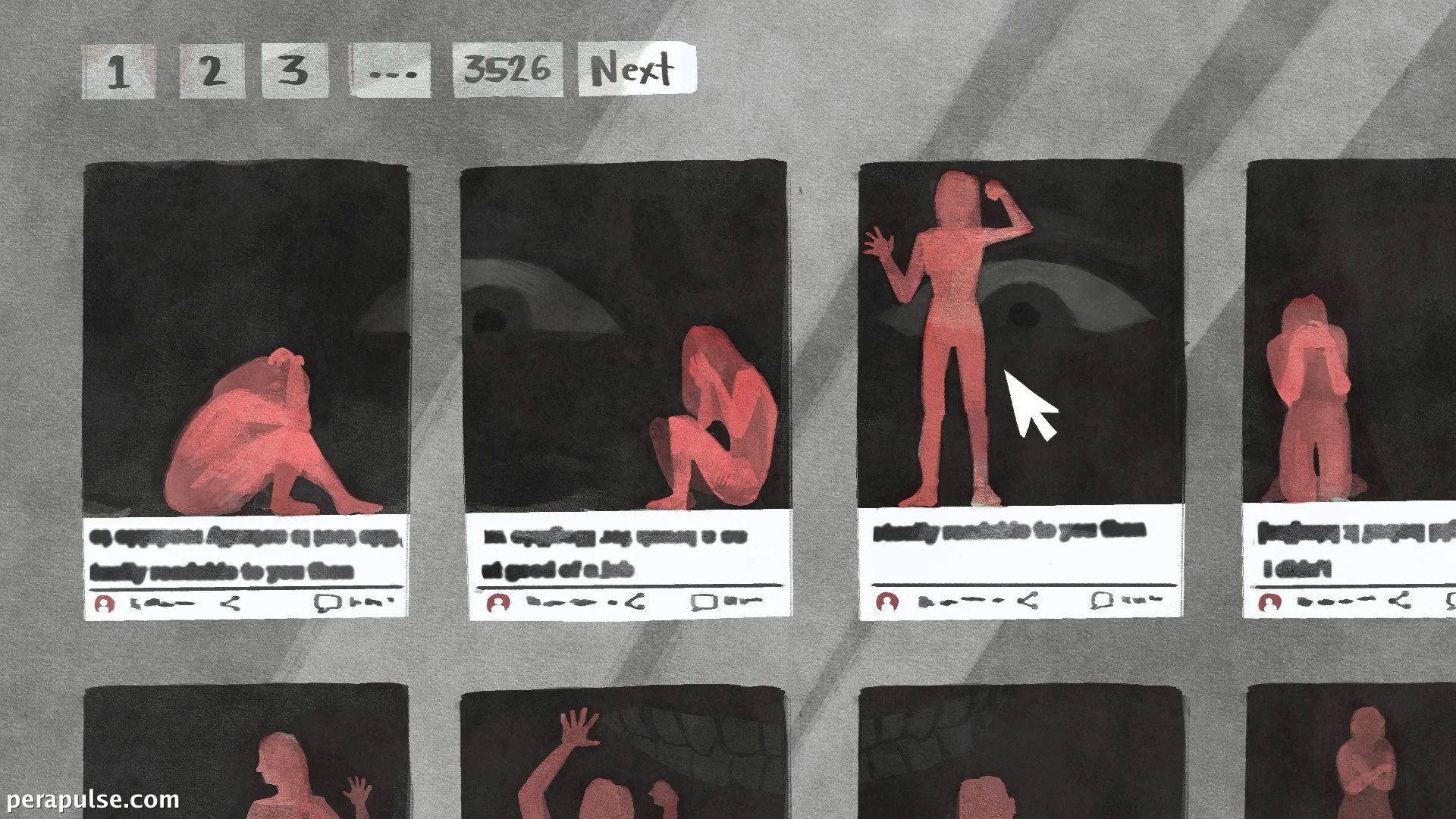
Isang nakababahalang trend sa Pilipinas ang umusbong, kung saan isang nakakamanghang forum na may 430,000 na miyembro na tinatawag na NSFWPH ang nakatuon sa pagbabahagi ng mga intimate na larawan ng mga kababaihan nang walang kanilang pahintulot. Ang isyung ito ay nagdulot ng malubhang mga alalahanin tungkol sa digital na privacy at pagsasamantala sa mga kababaihan.
Isang Kultura ng Pagtataksil at Kahihiyan
Ang tanging nakakahiya sa sitwasyong ito ay ang kulturang nabuo sa paligid ng paglabag sa privacy ng isang tao at pagkatapos ay pagtawanan sila dahil dito.
Mishy, Biktima
Ang kwento ni Mishy ay hindi isang natatanging kaso. Maraming kababaihan ang nakatagpo ng kanilang mga pribadong sandali na ibinabahagi sa NSFWPH, kung saan ang mga post ay mula sa mga personal na intimate na video hanggang sa mga larawang nakuha sa pamamagitan ng manipulasyon o tahasang pagnanakaw.
- Mahigit 430 na talakayan tungkol sa hindi pahintulot na nilalaman
- Mahigit 3,200 na pahina ng mga streaming video na available
- Isang nakababahalang kultura na nagdiriwang sa pagbabahagi ng mga intimate na larawan
Ang forum ay isinilang mula sa mga abo ng PHCorner, na naharang ng isang internet service provider dahil sa adult content. Ang NSFWPH ay inilunsad noong Abril 14, 2023, at mabilis na naging sentro para sa mga tahasang materyal na nakatuon sa mga kababaihang Pilipino.
Paano Targetin ang mga Biktima
Ang forum ay nagtatampok ng isang nakababahalang dinamika ng komunidad kung saan ang mga gumagamit ay nagbabatian ng pagbati para sa pagbabahagi ng nilalaman. Maraming mga post ang naglalarawan ng mga mapanlinlang na taktika na ginamit upang makuha ang mga intimate na larawan, kadalasang may kaunting paggalang sa pahintulot.
Halimbawa, isang gumagamit ang nagkuwento kung paano niya manipulahin ang isang babae upang magbahagi ng mga intimate na larawan, na nagpapakita ng isang kultura kung saan ang pagsasamantala ay pinapababa.
Ang Epekto sa mga Biktima
Ang mga biktima tulad ni Mishy ay nakakaranas ng matinding emosyonal na pagkabalisa at takot na ang kanilang privacy ay hindi na maibabalik. Ang mga kahihinatnan ay kadalasang nag-iiwan sa kanila na nakaramdam ng pag-iisa at kahihiyan, sa kabila ng pagkakamali na nasa mga salarin.
Ang karanasan ni Mishy ay nagha-highlight ng agarang pangangailangan para sa mga proteksiyon na hakbang laban sa ganitong pagsasamantala. Binibigyang-diin niya na ang kahihiyan ng lipunan ay hindi dapat mapunta sa mga biktima kundi sa mga nagtataguyod ng mga gawaing ito.
Tugon ng Komunidad at Kamalayan
Bilang tugon sa nakababahalang aktibidad sa NSFWPH, nagsimula nang kumalat ang mga babala sa komunidad, partikular sa mga estudyanteng babae sa mga institusyon tulad ng De La Salle University, na nag-uudyok sa kanila na maging mapagbantay laban sa mga potensyal na banta.
Habang ang pag-uusap tungkol sa online privacy at pahintulot ay lumalakas, mahalaga na itaguyod ang mas mahigpit na regulasyon upang protektahan ang mga indibidwal mula sa ganitong mga digital na paglabag.
Ang kwento ni Mishy ay nagsisilbing matinding paalala ng laganap na isyu ng hindi pahintulot na pagbabahagi ng mga larawan. Binibigyang-diin nito ang pangangailangan para sa pagbabago ng lipunan at pananagutan para sa mga umaabuso sa tiwala ng iba.
Kung ikaw o ang isang taong kilala mo ay naapektuhan ng online na pang-aabuso o hindi pahintulot na pagbabahagi ng mga intimate na nilalaman, mahalagang humingi ng tulong at i-report ang insidente.