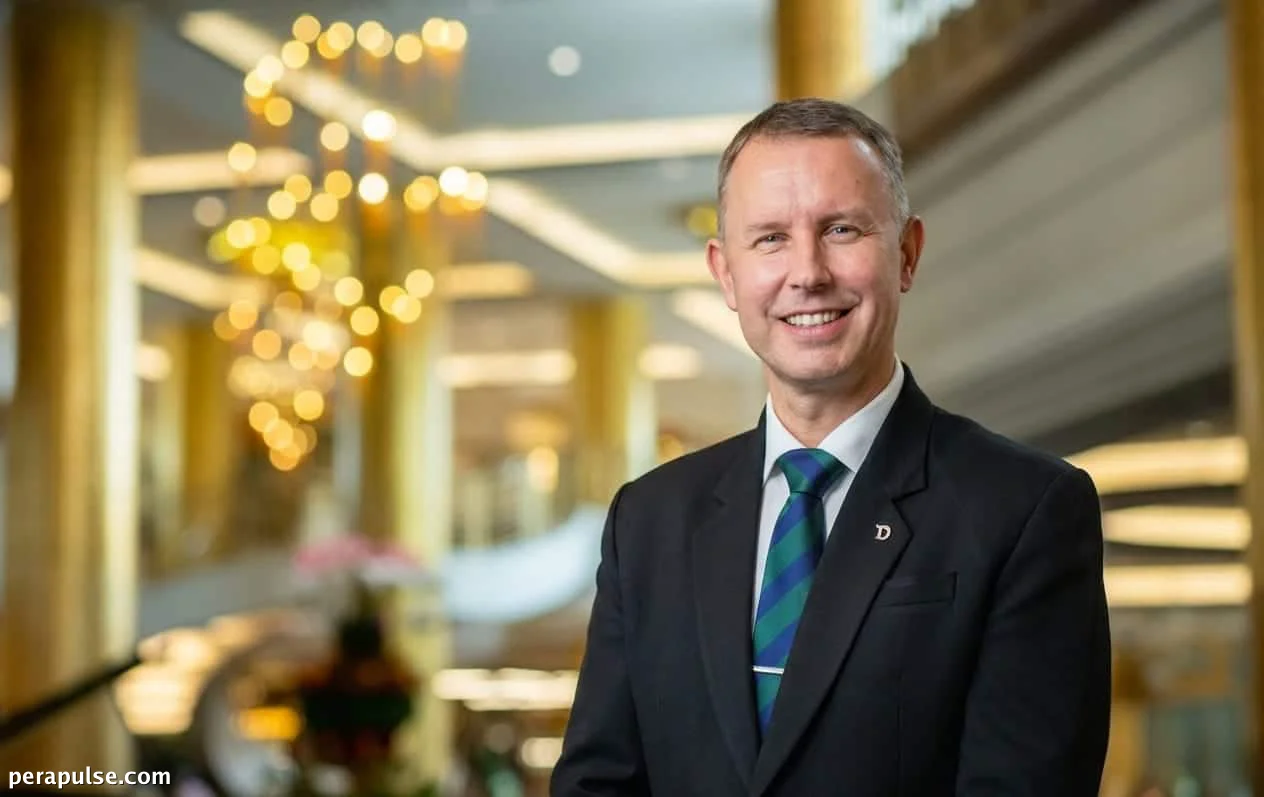
Eric Norbert, the Food and Beverage Director at Dusit Thani Manila, has built a career that bridges diverse culinary cultures and leadership styles. Having worked internationally, he offers a unique perspective on the hospitality landscape.
Cultural Nuances in Hospitality
People often assume that once you become an F&B director, you already know everything. In our industry, the opposite is true. The more you know, the more you realize there’s still so much to discover.
Eric Norbert, F&B Director
Norbert notes that while hospitality has universal principles, each region has its own distinct characteristics. His experiences abroad have shaped his understanding of different dining traditions and management techniques. This cultural adaptability is crucial in maintaining the high standards expected at a world-class hotel.
Misconceptions in the Industry
Norbert highlights a common misconception about the role of an F&B director. Many believe that achieving this position means having all the answers. He argues that true leadership involves continuous learning and curiosity. This mindset not only enhances personal growth but also enriches the team's dynamics.
Cultivating a Learning Culture
Mentorship is a core value for Norbert. He emphasizes that nurturing talent starts with believing in his team, often before they believe in themselves. His approach includes offering constructive feedback and opportunities for team members to take initiative.
Essential Skills for Future Leaders
For the new generation of F&B professionals, Norbert identifies key skills such as communication, teamwork, adaptability, and a positive attitude. He stresses that while technical skills can be taught, the intrinsic desire to care for others is vital.
Being a leader is not measured by how often you get everything right, but by how you respond when things don’t go as planned.
Eric Norbert, F&B Director
Advice for Aspiring Leaders
Norbert's advice for those stepping into leadership roles is straightforward: embrace mistakes as learning opportunities. He believes that how one handles challenges is what ultimately defines effective leadership.