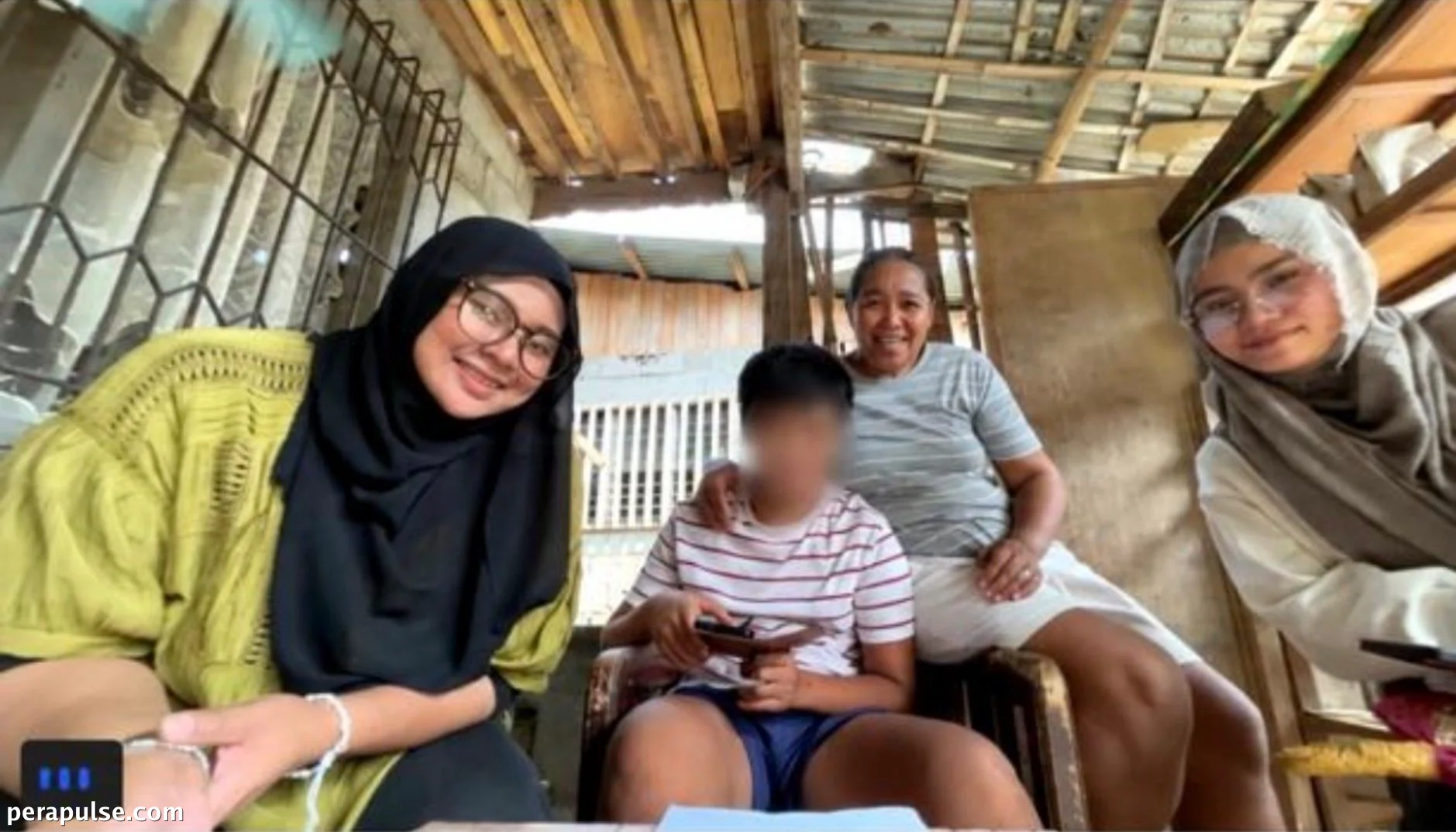
In Marawi, a city still healing from the scars of the 2017 siege, therapy is playing a crucial role in helping mothers reconnect with their children. For Sania Naga, the transformation in her relationship with her son Amal, who struggled with speech due to cognitive delays, illustrates the profound impact of occupational therapy.
Building Connections through Therapy
The most meaningful changes are not always reflected in assessments. Sometimes it is a parent noticing that their child is joining family activities more often, participating in class, communicating a need, or trying something independently for the first time.
Archie David, Founder and President, REACH Foundation
Amal, once non-verbal and disconnected, now responds to his mother with 'Yes, Mama.' This simple exchange, long awaited by Naga, symbolizes the significant progress made through therapy. Amal's journey began with a referral to a specialist that was complicated by geographical barriers and the COVID-19 pandemic.
- Only two developmental pediatricians are available in Northern Mindanao as of 2024.
- Families often travel long distances for therapy, facing appointment waits of over three years.
Despite these challenges, Naga made weekly trips to a therapy center in Iligan, where Amal received crucial support through occupational and speech therapy. Her determination paid off as Amal began to gain skills vital for everyday life.
The lack of specialists is a pressing issue in the region. According to the World Health Organization, there were fewer than 6,000 registered occupational therapists across the Philippines as of 2025. This scarcity is compounded in areas like Marawi, where accessibility remains a significant barrier.
Community organizations like Community and Family Services International (CFSI) are stepping in to address these gaps. Their initiatives included providing therapy sessions and transportation for families, allowing children like Amal to access the help they need.
Innovative solutions such as teletherapy have also emerged, allowing therapists to work with families remotely. This approach offers flexibility and can integrate therapeutic activities into daily routines, using household items for skill development.
As Amal continues to thrive in a mainstream school, his mother reflects on the journey. The therapy has not only helped him communicate but has also enhanced his confidence and ability to engage with his peers.
Naga's experience highlights the broader struggle many families face in securing developmental support for their children in the Philippines. With an estimated 4.7 million to 5.1 million children living with disabilities, the need for accessible therapy and education is more critical than ever.