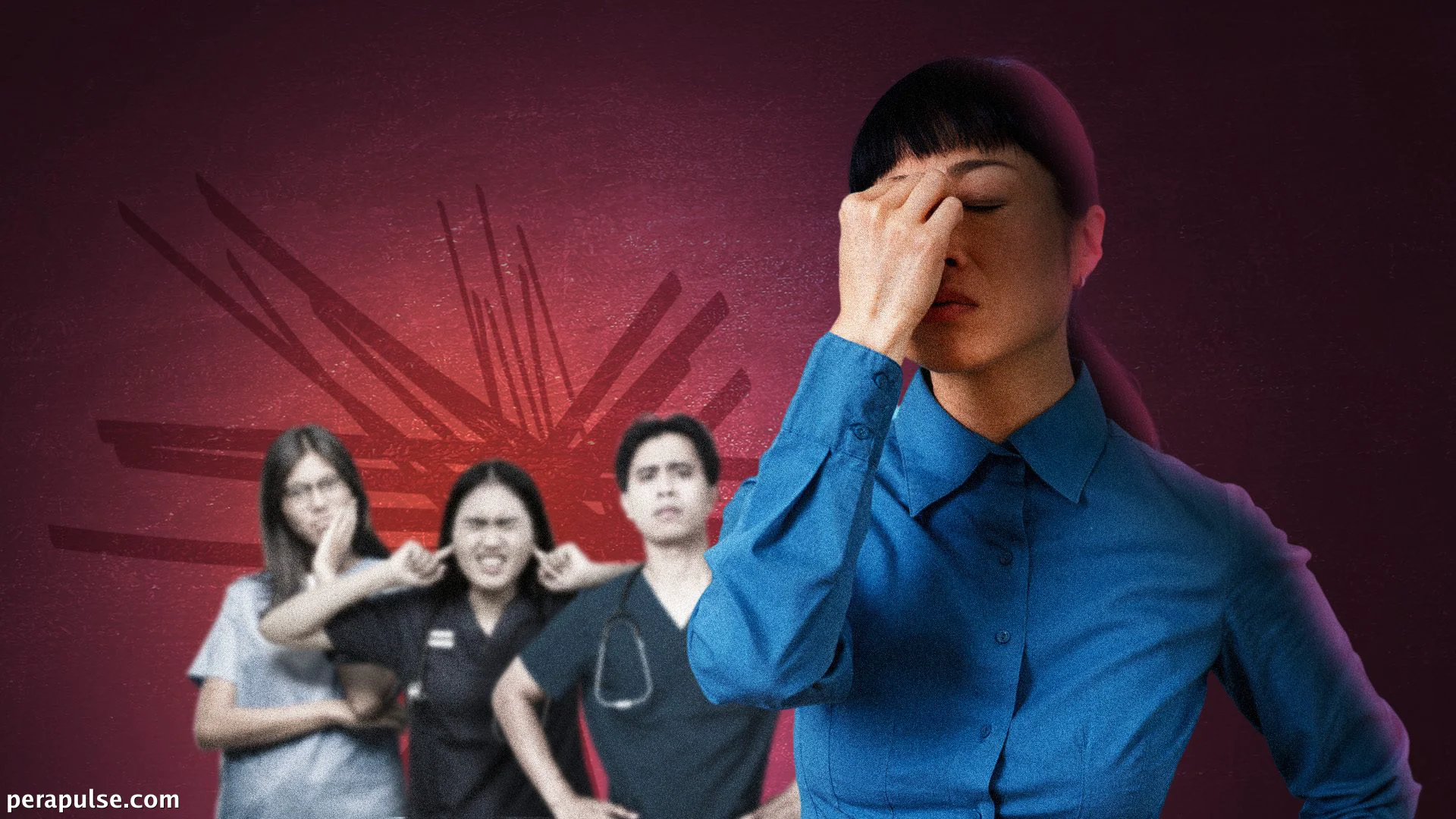
An HR head at a mid-sized hospital in Metro Manila, Aimee, has expressed her dissatisfaction with the recent inclusion of undergraduate interns in her department's program.
While she initially saw promise in these interns, their performance has led her to label the experience as a nightmare, prompting her to reconsider the program's future.
Generational Differences and Expectations
Aimee's frustrations stem from what she perceives as a lack of professionalism and accountability among younger interns. She noted that many undergraduates expect their opinions to be taken as fact, despite lacking research or experience.
'They even complain that they are “triggered” when our staff scold them for things that graduate students accept, apologize for, and try to do better.'
Aimee, HR Head
Dr. Margarita Holmes and Jeremy Baer, advisors in the Two Pronged column, responded to Aimee's concerns by suggesting that generational differences could be influencing the interns’ behavior.
They emphasized that the issues Aimee faces may reflect broader shifts in workplace expectations, particularly between Gen Z and previous generations.
- Focus on improving the selection process for interns.
- Manage expectations and maintain a rational approach to mentorship.
Dr. Holmes pointed out that the excitement around expanding the internship program might have overshadowed potential challenges, leading to higher expectations that the new interns could not meet.
She advised Aimee to consider how her emotional responses to the interns’ behavior could be affecting her management strategy.
Ultimately, the hospital's owner remains committed to the program, valuing the recognition it brings despite the challenges it poses for Aimee.
As more organizations adapt to changing workforce dynamics, it is crucial to address these generational gaps to create a more effective and harmonious work environment.