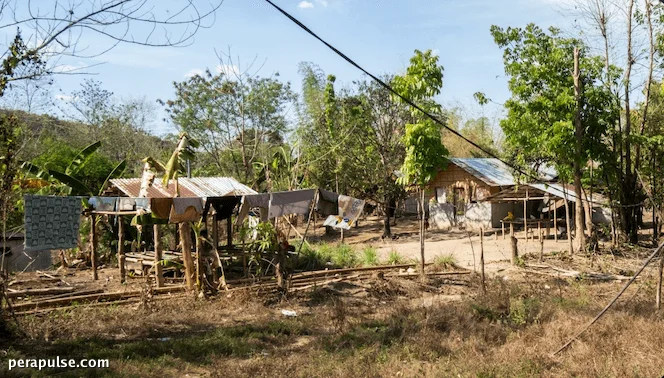
Dekada matapos mapalayas ng pagsabog ng Bundok Pinatubo, patuloy na hinaharap ng mga komunidad ng Aeta sa Kalangitan, Tarlac ang mga mabigat na realidad ng kanilang bagong pag-iral. Ang mga nakatatanda tulad ni Nelson de Guzman ay nagkukuwento ng panahon kung kailan umunlad ang kanilang kabuhayan sa kanilang mga ninuno, isang matinding kaibahan sa mga pagsubok na kanilang hinaharap ngayon.
Mula sa Kasaganaan Patungo sa Kahiraan
Bago pumutok ‘yung Pinatubo, wala kaming problema sa buong baryo kung sa kabuhayan. Masisipag kami. Marami kaming alaga, at lahat ng pwedeng pakinabangan o ibenta, tinatamin namin.
Nelson de Guzman, Village Elder
Sa mga taon bago ang nakapipinsalang pagsabog noong Hunyo 1991, namuhay ang mga Aeta sa pagkakaisa sa kanilang kapaligiran, nagtatanim ng mga pananim at nag-aalaga ng mga hayop. Ang pagsabog ay nagdala ng pagkawasak, hindi lamang sa pagkawala ng lupa kundi pati na rin sa kultural at pang-ekonomiyang tela ng komunidad.
- 400 Aetas ang kasalukuyang naninirahan sa Kalangitan resettlement area.
- Tinatayang 7,840 pamilyang Aeta, higit sa 35,000 indibidwal, ang naapektuhan ng pagsabog.
Ang paglipat sa mga resettlement area ay puno ng mga hamon. Ang bagong lupa ay kulang sa fertility ng kanilang mga ninuno, na nagpilit sa marami na maghanap ng alternatibong paraan ng pamumuhay, kadalasang nagreresulta sa mababang sahod sa konstruksyon o lokal na pamilihan.
Napalayas Ngunit Matatag
Sa kabila ng mga paghihirap, ang mga komunidad ng Aeta ay matatag. Si Minda de la Cruz, isa pang residente, ay naaalala ang kayamanan ng kanilang dating buhay: "Mas maganda ang pakiramdam namin noong hindi pa pumutok ang bulkan. Ulam ng bundok ang kinakain namin. Kahit na kamote, gabi, o ano."
Ang tugon ng gobyerno sa sakuna ay madalas na nakatanggap ng kritisismo dahil sa pagkukulang na matugunan ang mga tiyak na pangangailangan ng mga Aeta. Maraming pamilya ang nakaranas ng paulit-ulit na paglilipat, bawat pagkakataon ay muling pinapalayas ang kanilang mga buhay at nagpapahirap sa kanilang kakayahang bumuo ng matatag na tahanan.
Mga Alingawngaw ng Nakaraan
Ang mga alaala ng pagsabog ay nananatiling buhay, na ang mga nakatatanda ay nagkukuwento ng kaguluhan at takot na bumalot sa kanilang komunidad. Ayon kay Nelson de Guzman, "Wala kaming mga lupa na taniman. Ang Pinatubo kasi ang gumawa ng paraan para makapaglimos ‘yung mga katutubo e, kasi walang hanapbuhay nga ‘yung tao dito."
Sa kanilang pakikibaka upang umangkop, ang mga Aeta ay naging target din ng pagkiling, nakakaranas ng diskriminasyon mula sa mga kalapit na komunidad. Gayunpaman, sa pamamagitan ng edukasyon at grassroots organizing, unti-unti nilang binabalik ang kanilang kwento at pinapahayag ang kanilang mga karapatan.
Isang Panawagan para sa Suporta
Habang nagpapatuloy ang mga talakayan tungkol sa mga proyekto sa pag-unlad sa Gitnang Luzon, hinihimok ng mga lider ng Aeta ang gobyerno para sa mga konkretong plano na nagbibigay-priyoridad sa kanilang kapakanan. Ang takot na muling mawalan ng kanilang mga tahanan ay nananatiling malaki. Umaasa si Minda at ang iba pa para sa isang hinaharap kung saan maaari silang bumalik sa kanilang mga ugat, kapwa literal at metaporikal.