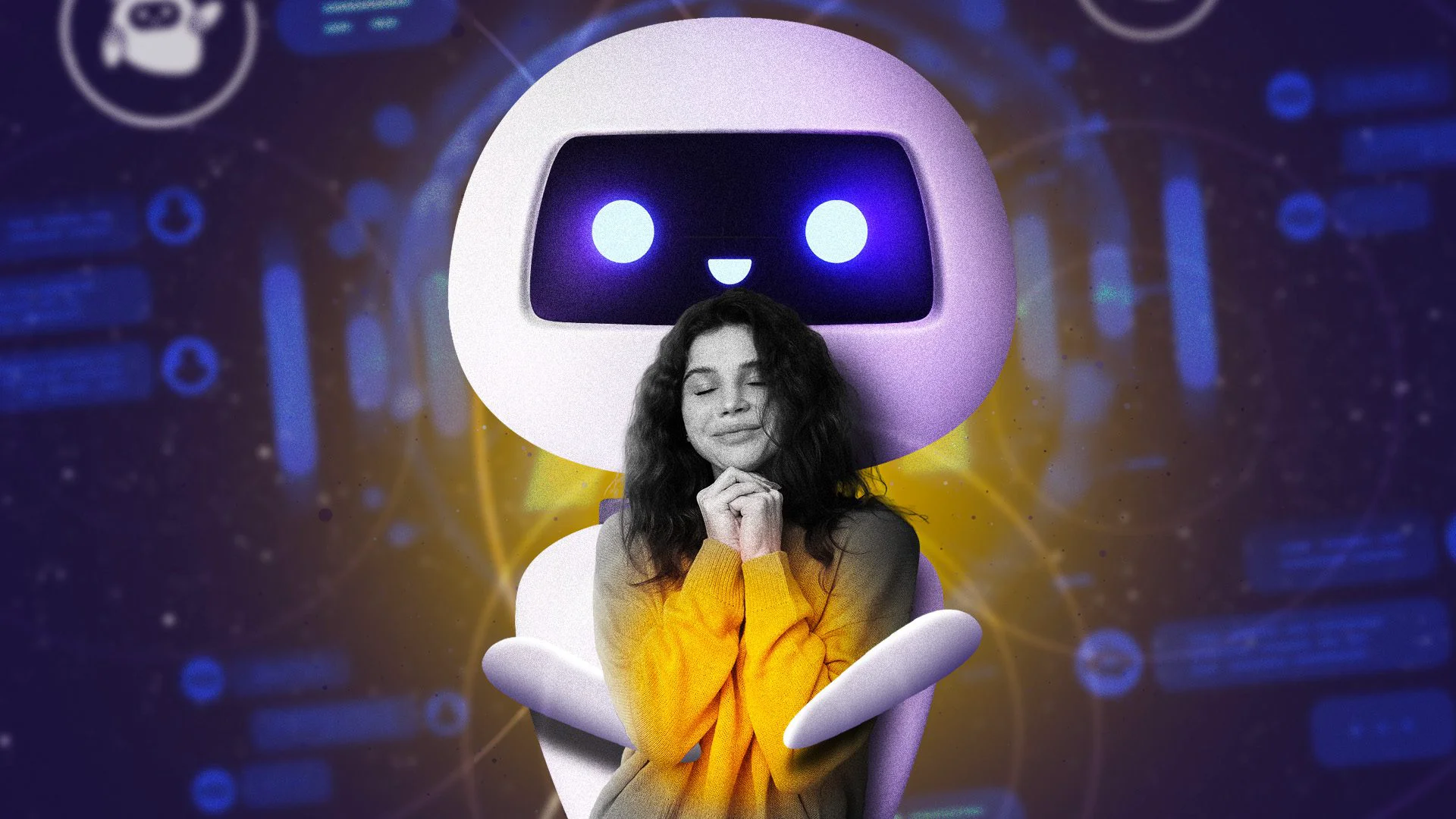
Isang kamakailang survey ng Ipsos BVA ang nagpakita na halos 50% ng mga kabataang Europeo ay gumagamit ng AI chatbots upang talakayin ang mga personal na isyu, kabilang ang kalusugan ng isip. Ipinapakita ng pag-aaral ang lumalaking pag-asa sa teknolohiya para sa emosyonal na suporta sa grupong ito.
Isinagawa noong unang bahagi ng 2026, ang survey ay kinasangkutan ng 3,800 na kalahok na may edad 11 hanggang 25 mula sa France, Germany, Sweden, at Ireland. Ipinapakita ng mga resulta na 51% ng mga sumagot ang nakahanap ng mas madaling makipag-usap tungkol sa kalusugan ng isip sa mga chatbot kumpara sa mga propesyonal sa pangangalaga sa kalusugan (49%) at mga psychologist (37%).
Sa kabaligtaran, ang mga talakayan kasama ang pamilya at mga kaibigan ay itinuturing na mas madali ng 68% at 61% ng mga sumagot, ayon sa pagkakasunod. Ipinapakita nito ang isang kapansin-pansing trend kung saan ang mga kabataan ay naghahanap ng mga alternatibong paraan para sa emosyonal na pagpapahayag.
Tinatayang 90% ng mga sinurvey ay nag-ulat ng naunang paggamit ng mga AI tool, na binanggit ang kanilang patuloy na pagkakaroon at hindi mapanghusgang diskarte bilang mga pangunahing salik. Mahigit sa 60% ang tumukoy sa mga chatbot bilang 'mga tagapayo sa buhay' o 'mga kaibigan na mapagkakatiwalaan'.
Gayunpaman, nag-express ng mga alalahanin ang mga eksperto tungkol sa mga sikolohikal na implikasyon ng pag-asa lamang sa AI para sa emosyonal na suporta. Si Ludwig Franke Föyen, isang psychologist sa Karolinska Institutet sa Stockholm, ay nagbabala laban sa pag-asa sa mga chatbot para sa mga pangangailangan sa kalusugan ng isip.
Maaari magbigay ang AI ng impormasyon at suporta, ngunit hindi ito dapat maging kapalit ng mga ugnayang tao o propesyonal na pangangalaga. Kung ang isang tao ay lumalapit sa isang chatbot sa halip na makipag-usap sa isang magulang o kaibigan, iyon ay isang alalahanin.
Ludwig Franke Föyen
Ipinakita rin ng survey na 28% ng mga kalahok ay nagpakita ng mga sintomas na tugma sa generalized anxiety disorder, na nagdudulot ng karagdagang alalahanin tungkol sa mental na kalagayan ng mga kabataan sa Europa.
Habang ang paggamit ng AI chatbots para sa emosyonal na suporta ay nagiging mas laganap, ang pangangailangan para sa isang balanseng diskarte na pinagsasama ang teknolohiya at interaksyong tao ay nananatiling kritikal.