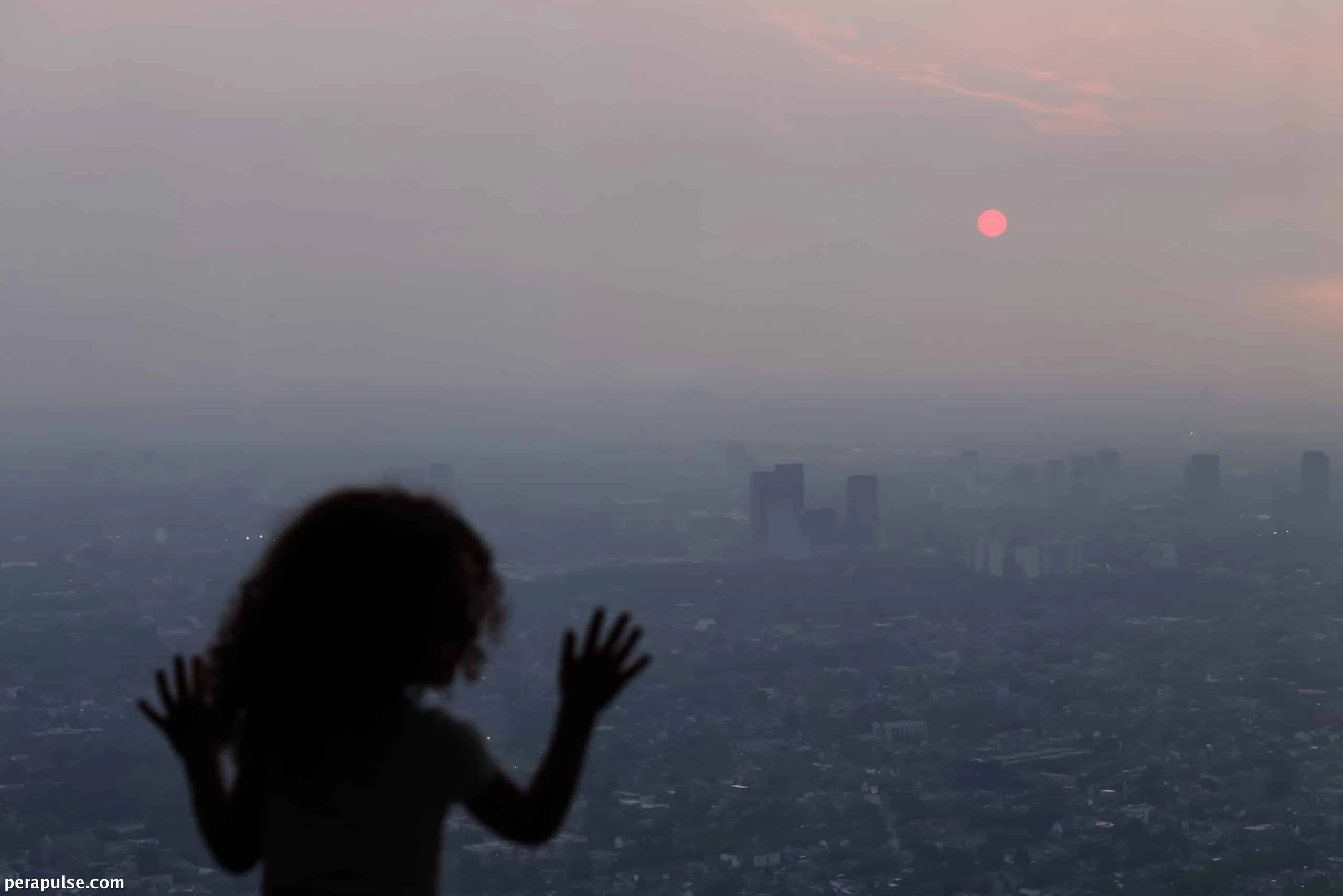
Ang usok mula sa sunog sa kagubatan ay responsable para sa humigit-kumulang 677,745 na pagkamatay sa buong mundo bawat taon, kung saan halos 39% ng mga pagkamatay na ito ay nagaganap sa mga bata na wala pang limang taong gulang. Ang pagtaas ng dalas at tindi ng mga sunog sa kagubatan, na pinapagana ng pagbabago ng klima, ay nagpapalala sa mga panganib sa kalusugan na kaugnay ng paglanghap ng usok.
Isang Lumalalang Krisis sa Kalusugan
Ang mga sunog sa kagubatan ay nagiging mas madalas at mas matindi dahil sa pagbabago ng klima, at kapag may sunog, may usok. (cite: Colleen Reid, Propesor ng Unibersidad ng Colorado)
- Ang usok mula sa sunog sa kagubatan ay nagdudulot ng agarang mga isyu sa paghinga, na nagiging sanhi ng pagtaas ng mga kaso ng hika.
- Ang pangmatagalang pagkakalantad ay nauugnay sa mga seryosong kondisyon tulad ng sakit sa puso, demensya, at iba't ibang kanser.
Ayon sa isang kamakailang pag-aaral, isang average na 24,100 tao sa mga contiguous United States ang namatay bawat taon mula sa pangmatagalang pagkakalantad sa usok mula sa sunog sa kagubatan mula 2006 hanggang 2020. Inaasahang tataas ang bilang na ito habang lumalala ang pagbabago ng klima.
Ang nakalalasong kalikasan ng usok mula sa sunog sa kagubatan ay nakababahala. Kasama nito ang mahigit 1,000 natukoy na mga toxin, marami sa mga ito ay kilalang carcinogen. Halimbawa, ang mga substansya tulad ng formaldehyde at volatile organic compounds ay laganap sa usok, na maaaring magpalala ng iba't ibang isyu sa kalusugan.
Agarang at Pangmatagalang Epekto
Ang mga emergency room ay nakakaranas ng pagtaas ng mga pagbisita sa panahon ng mga insidente ng sunog sa kagubatan, pangunahing dulot ng mga kondisyon sa paghinga. Ipinapakita ng mga ulat ang pagdoble ng mga emergency visits na may kaugnayan sa hika sa mga rehiyon na labis na naapektuhan ng usok.
Bukod dito, ang pagkakalantad sa usok ay nagdadala ng natatanging mga panganib sa mga mahihinang populasyon, kabilang ang mga buntis na kababaihan. Ipinapakita ng mga pag-aaral ang pagtaas ng mga maagang panganganak at mababang timbang ng kapanganakan na nauugnay sa usok mula sa sunog sa kagubatan.
Pagkuha ng mga Pag-iingat
Upang mabawasan ang mga panganib sa kalusugan, inirerekomenda ng mga eksperto ang pagsusuot ng mataas na kalidad na mga maskara sa labas at pagtiyak na ang mga tahanan ay may wastong bentilasyon. Ang pananatili sa loob ng bahay sa panahon ng mga insidente ng usok ay maaaring makabuluhang mabawasan ang pagkakalantad.
Habang patuloy na tumataas ang mga sunog sa kagubatan, mahalaga ang pag-unawa sa kanilang mga epekto sa kalusugan. Binibigyang-diin ng mga opisyal ng pampublikong kalusugan ang kahalagahan ng kamalayan at paghahanda ng komunidad.