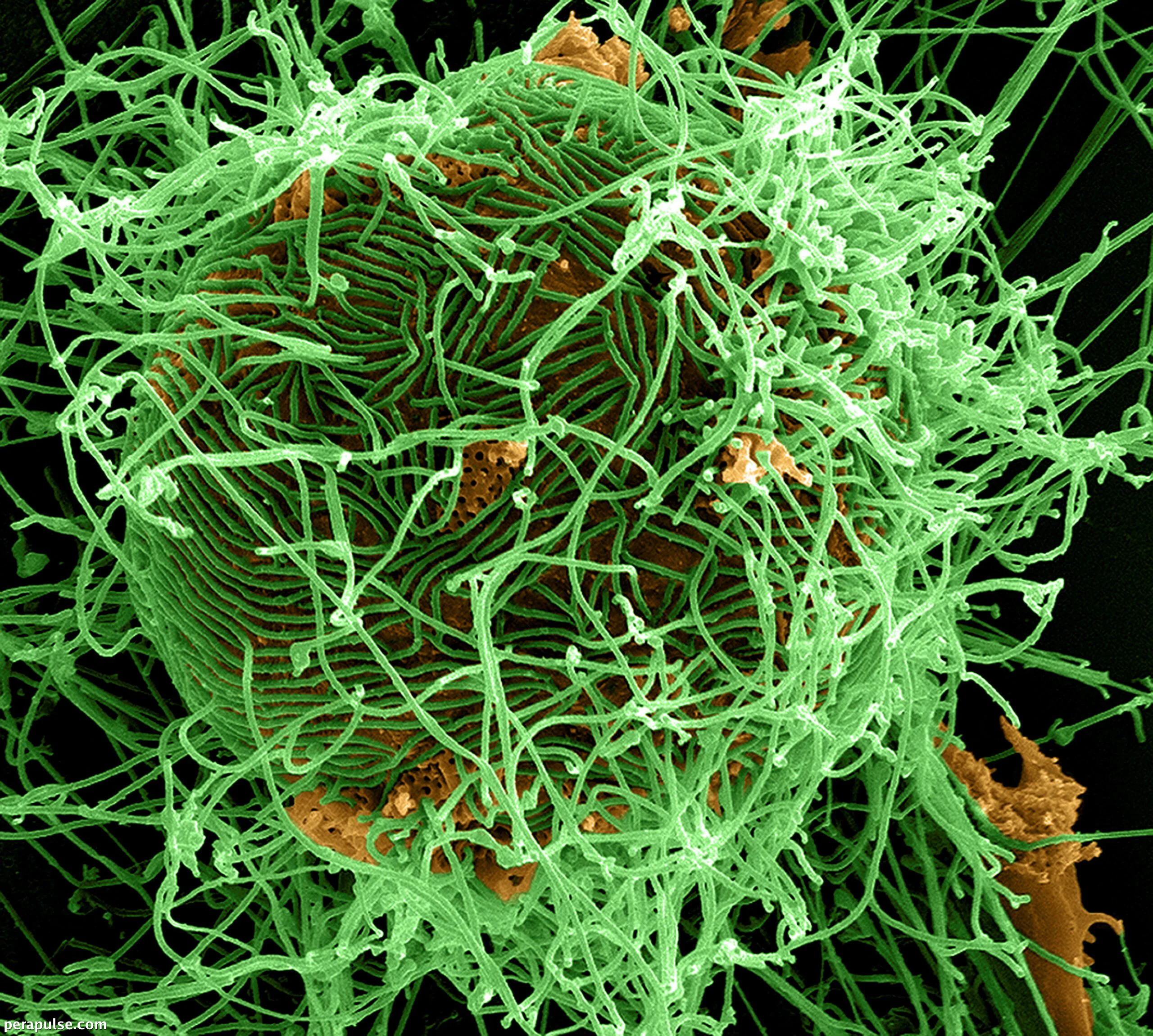
The World Health Organization (WHO) has issued a public health emergency following an outbreak of the Bundibugyo strain of the Ebola virus, primarily affecting the Democratic Republic of the Congo (DRC) and Uganda. As of now, over 100 deaths have been reported, with nearly 400 suspected cases.
A Closer Look at Bundibugyo Ebola
Bundibugyo Ebola, identified during outbreaks in Uganda's Bundibugyo province in 2007 and again in 2012 in the DRC, is less lethal than the more notorious Zaire strain. It has a mortality rate of 30% to 40%, in contrast to the Zaire strain, which can kill up to 90% of those infected.
By the time the alarm was raised, the virus had already moved along major transport routes and crossed borders.
Dr. Matthew Kavanagh, Georgetown University
- Bundibugyo Ebola spreads through direct contact with bodily fluids.
- Initial flu-like symptoms can escalate to severe internal bleeding and organ failure.
- No approved vaccines or treatments specifically for Bundibugyo exist.
Currently, response efforts focus on established public health measures: rapid case detection, contact tracing, and community engagement. Dr. Daniela Manno from the London School of Hygiene & Tropical Medicine highlights that effective implementation of these measures was crucial in controlling previous outbreaks, including the significant 2014–2016 Ebola epidemic in West Africa.
Although testing for Bundibugyo exists, it has faced challenges. Early tests failed to identify the virus correctly, leading to delays in response. Experts stress the importance of accurate diagnostics to prevent further spread.
Unlike the Zaire strain, Bundibugyo has a slower replication rate and a less aggressive nature, which could contribute to different long-term health outcomes for survivors. Studies suggest that Bundibugyo may result in less severe lasting effects on organs compared to Zaire.