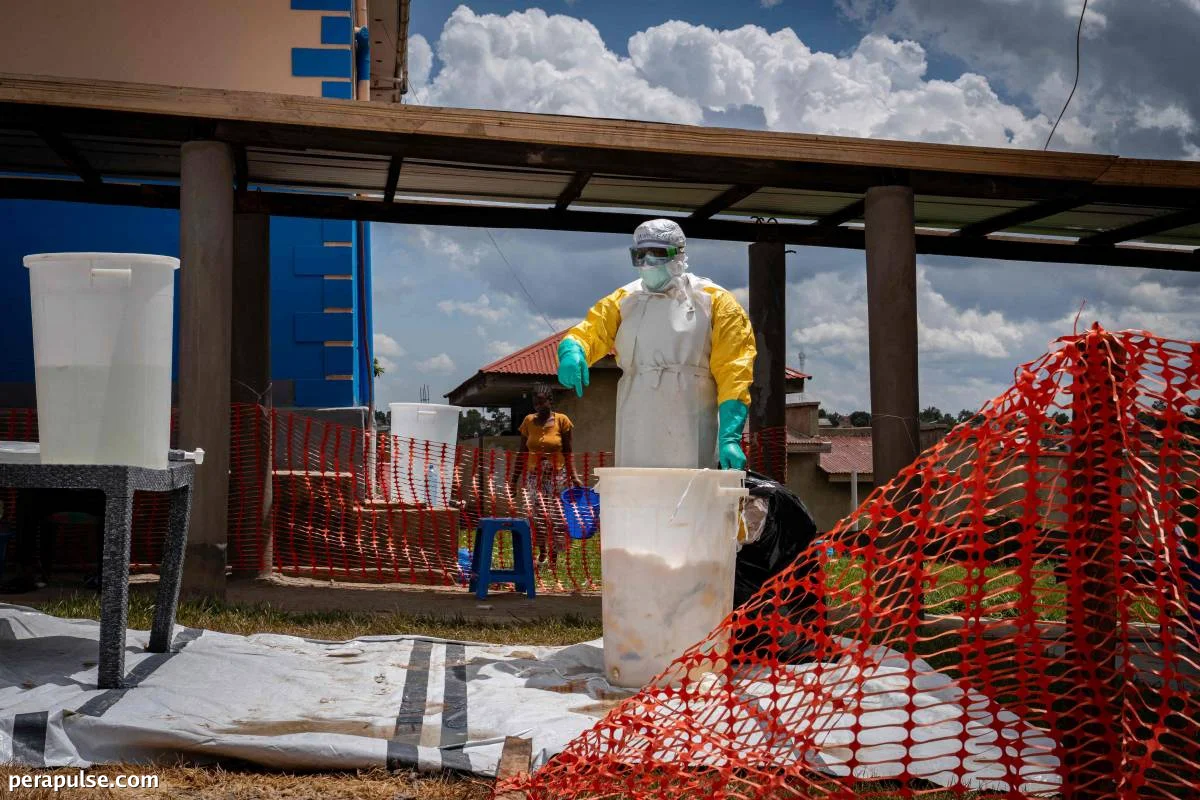
Ang patuloy na paglaganap ng Ebola sa Gitnang Africa ay maaaring magresulta sa higit sa 20,000 kaso kung hindi maipatupad ang mabilis na mga interbensyon sa pampublikong kalusugan, ayon sa isang kamakailang pagsusuri ng Centers for Disease Control and Prevention (CDC).
Nag-publish ang mga opisyal ng kalusugan ng mga projection mula sa computer model na nagpapakita ng iba't ibang posibleng kinalabasan, na may mga pagtataya na nag-iiba mula 10,000 hanggang higit sa 20,000 kaso.
Babala mula sa mga Eksperto sa Kalusugan
Kung walang malakas na interbensyon sa pampublikong kalusugan, ang mga gawaing modeling ay nagpapahiwatig na posible ang isang paglaganap sa ganitong sukat. (cite: Dr. Satish Pillai, CDC Incident Manager)
Nagbibigay-alarm ang mga eksperto na ang paglaganap na ito ay maaaring makipagsabayan sa nakapipinsalang epidemya ng Ebola sa Kanlurang Africa mula 2014 hanggang 2016, na nagresulta sa higit sa 28,000 kaso at higit sa 11,000 pagkamatay.
Binigyang-diin ni Dr. Jennifer Nuzzo mula sa Pandemic Center ng Brown University na ang paglaganap ay sumusunod sa isang nakababahalang landas. Gayunpaman, nagbigay siya ng babala na ang paghula sa takbo ng mga ganitong paglaganap ay maaaring maging hamon dahil sa limitadong datos.
- Tinatayang 400 na nakumpirmang kaso at 63 pagkamatay ang naiulat sa ngayon.
- Pinaghihinalaan ng mga eksperto na marami pang mga kaso ang nananatiling hindi na-diagnose.
Inanunsyo ng Africa Centres for Disease Control and Prevention na ang sakit ay naipapasa sa pamamagitan ng pakikipag-ugnayan sa mga likido ng katawan, at sa kasalukuyan ay walang epektibong mga paggamot o bakuna na available para sa Bundibugyo virus.
Inuri ng World Health Organization ang paglaganap bilang isang pandaigdigang emergency sa kalusugan noong Mayo, isang desisyon na sumasalamin sa tindi ng sitwasyon.
Ang pampulitikang kawalang-tatag sa Democratic Republic of the Congo, partikular ang mga armadong labanan na kinasasangkutan ang mga rebelde, ay nagpapahirap sa tugon sa paglaganap. Ang karahasang ito ay nagdulot ng makabuluhang paglikas at nakagambala sa mga pagsisikap sa pangangalaga ng kalusugan.
Sa kabila ng nakababahalang sitwasyon, ipinahiwatig ng mga eksperto na ang panganib ng paglaganap na kumalat sa Estados Unidos ay nananatiling mababa, salamat sa mahigpit na mga restriksyon sa pagpasok para sa mga biyahero mula sa mga apektadong rehiyon.
Sinusuri rin ng mga pagsisikap sa modeling ng CDC ang iba't ibang senaryo batay sa bisa ng mga hakbang sa pag-iisa. Kung 20% lamang ng mga nahawaan ang matagumpay na maiiwas, ang mga projection ay nagpapahiwatig na hindi bababa sa 20,000 kaso at humigit-kumulang 4,000 pagkamatay ang maaaring mangyari sa loob ng tatlong buwan.
Sa kabaligtaran, ang mas mataas na mga rate ng pag-iisa ay maaaring magpababa sa bilang ng mga kaso sa paligid ng 10,000. Gayunpaman, kung ang aktwal na bilang ng mga pagkamatay ay hindi tama ang pagkaka-estima, ang sitwasyon ay maaaring lumala nang malaki.
Ang mga historikal na paghahambing ay nagpapakita ng hindi mahuhulaan na kalikasan ng mga paglaganap ng Ebola, tulad ng ipinakita sa epidemya sa Kanlurang Africa nang ang mga paunang pagtataya ay labis na hindi nakaka-estima sa huli nitong epekto.