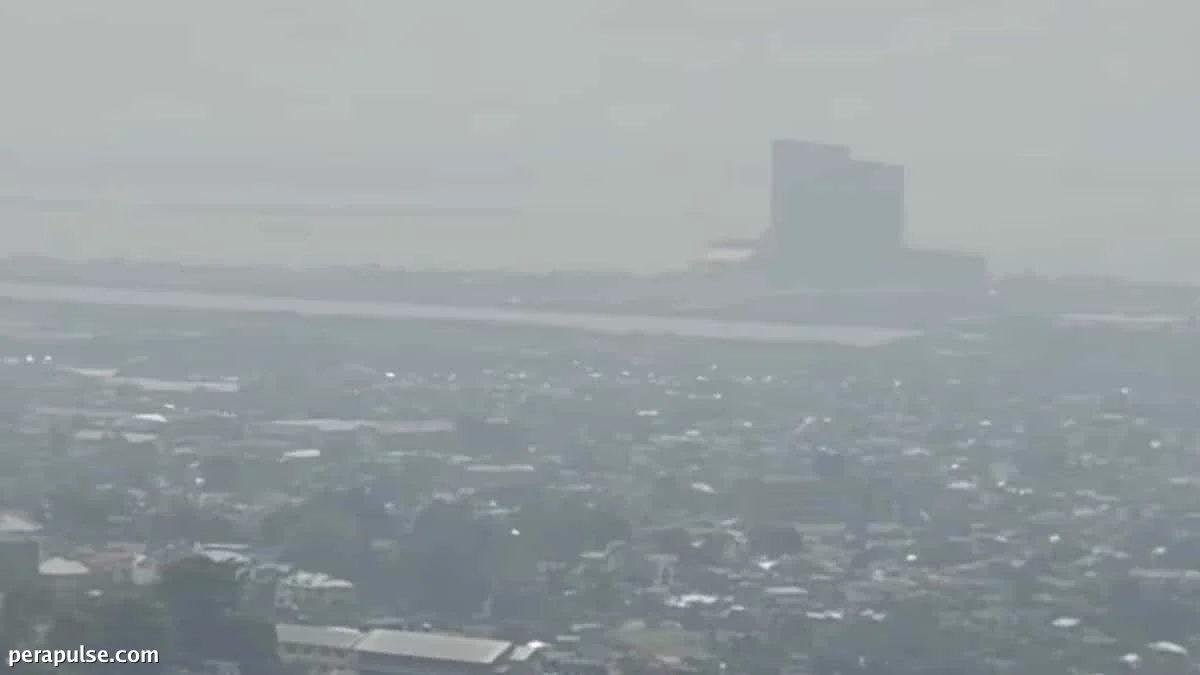
Ang kalidad ng hangin sa Metro Cebu ay umabot sa nakababahalang antas, na nakategorya bilang 'acutely unhealthy' na may Air Quality Index (AQI) na 208 noong Setyembre 2. Iniuugnay ng Environmental Management Bureau sa Central Visayas (EMB-7) ang matinding polusyon sa hangin sa usok na nagmumula sa mga sunog sa kagubatan sa Indonesia.
Tumataas ang Panganib sa Kalusugan para sa mga Residente
Ang AQI ay nagpakita ng makabuluhang pagtaas, mula 117 noong Lunes hanggang 172 noong Martes, at ngayon ay umabot na sa 208, na nagpapahiwatig ng seryosong panganib sa kalusugan para sa lahat ng residente. Ang konsentrasyon ng PM2.5, nakakapinsalang pinong particulate matter, ay kasalukuyang nasa 57.6 micrograms bawat cubic meter.
Ang panganib ng iritasyon sa paghinga at iba pang komplikasyon sa kalusugan ay makabuluhang tumaas para sa lahat, na may potensyal na mas malubhang epekto sa mga sensitibong grupo.
(cite: Environmental Management Bureau (EMB-7))
Inilabas ng EMB-7 ang sitwasyong ito bilang isang kaso ng transboundary pollution, na pinalalala ng southwest monsoon, o habagat, na nagdadala ng mga pollutant mula sa Indonesia. Ang mga katulad na kaganapan ng haze ay naganap sa nakaraan, partikular noong Oktubre 2015.
Tugon ng Lokal na Pamahalaan sa Krisis ng Kalidad ng Hangin
Bilang tugon sa lumalalang kalidad ng hangin, inihayag ni Cebu City Mayor Nestor Archival ang suspensyon ng mga face-to-face na klase sa lahat ng pampubliko at pribadong paaralan simula Setyembre 2 hanggang Setyembre 3. Layunin ng hakbang na ito na protektahan ang mga estudyante mula sa mapanganib na kondisyon ng hangin.
Magpapatuloy ang edukasyon ng mga paaralan sa pamamagitan ng mga alternatibong pamamaraan ng pagkatuto, tulad ng Modular Distance Learning, upang matiyak na hindi mahuhuli ang mga estudyante.
Tumingin sa Hinaharap: Pagsubaybay at Mga Hakbang sa Kaligtasan
Habang umuusad ang sitwasyon, hinihimok ang mga residente na subaybayan ang mga update mula sa EMB-7 at iba pang lokal na awtoridad. Ang patuloy na pagsusuri ng kalidad ng hangin ay magiging gabay sa mga susunod na hakbang, kabilang ang potensyal na suspensyon ng klase sa Cebu Province.
Ang EMB-7, kasama ang iba pang ahensya ng gobyerno, ay nananatiling mapagbantay sa pagtugon sa mga epekto ng krisis sa kapaligiran na ito at nagpapayo sa mga residente na mag-ingat upang mapanatili ang kanilang kalusugan.