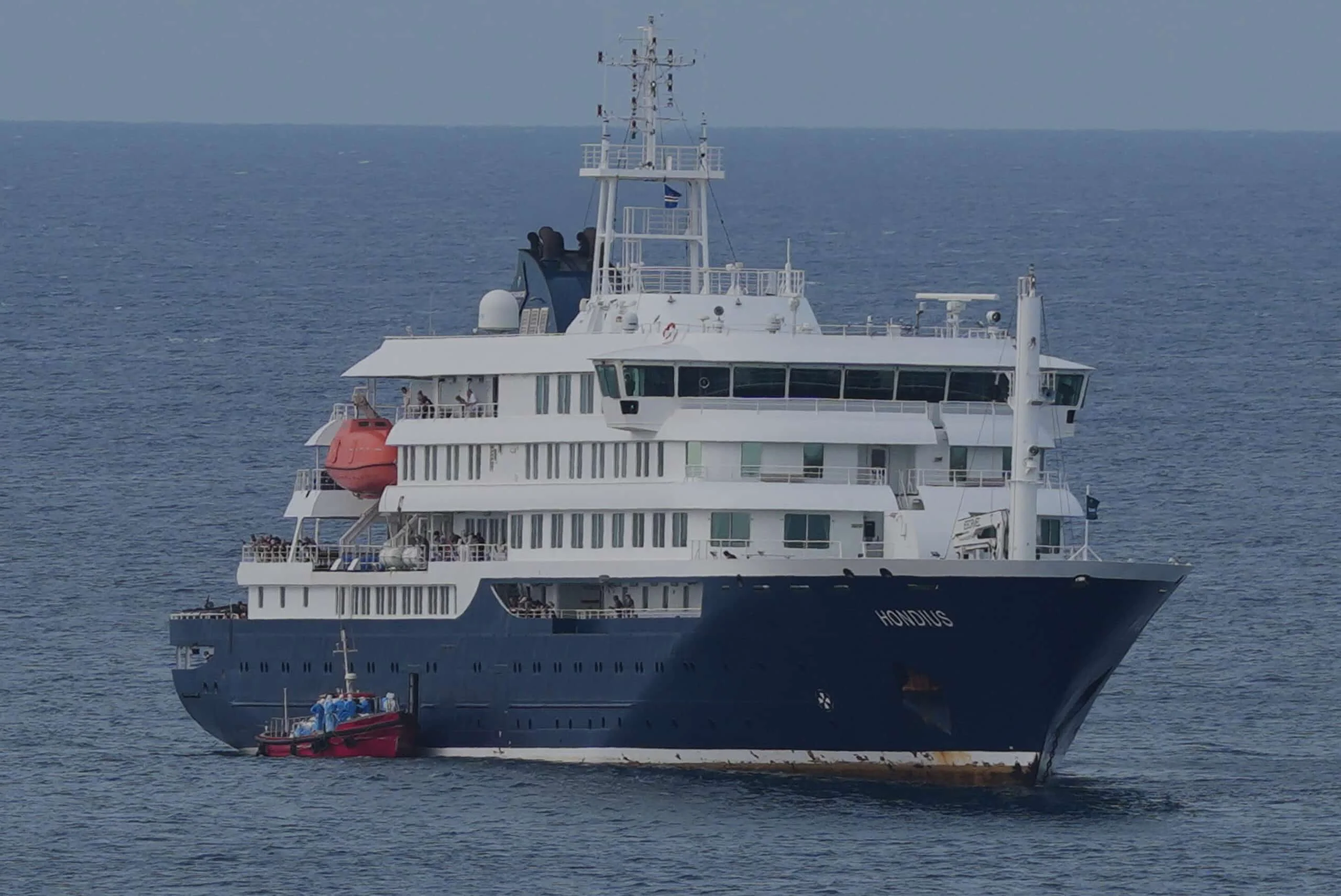
Ang mga awtoridad sa kalusugan sa Argentina ay nagsasagawa ng imbestigasyon sa pagtaas ng mga kaso ng hantavirus sa gitna ng takot sa kalusugan sa MV Hondius cruise ship. Ang sasakyang ito, na nagsimula ng kanyang paglalakbay sa Ushuaia, ay nag-ulat ng maraming impeksyon sa mga pasahero nito.
Ipinahayag ng Argentine Health Ministry ang 101 kaso ng hantavirus mula noong Hunyo 2025, halos doble ng mga bilang ng nakaraang taon. Iminumungkahi ng mga eksperto na ang pagbabago ng klima ay nagpapalawak sa mga tirahan ng mga rodent na nagdadala ng hantavirus, na nag-aambag sa nakakabahalang trend na ito.
Pagbabago ng Klima at Paglaganap ng Hantavirus
Ang mas mataas na temperatura at nagbabagong ekosistema ay nagpapahintulot sa mga rodent na umunlad sa mas maraming lugar, na nagpapataas ng panganib ng paghahatid ng hantavirus. Ang sakit, na karaniwang nakukuha sa pakikipag-ugnay sa dumi o laway ng rodent, ay nagdudulot ng malubhang panganib sa kalusugan.
Ang Argentina ay naging mas tropikal dahil sa pagbabago ng klima, at nagdulot ito ng mga pagkagambala... ngunit pati na rin ng mga bagong tropikal na halaman na nagbubunga ng mga buto para sa pagdami ng mga daga.
Hugo Pizzi, Espesyalista sa Nakakahawang Sakit
Ang Andes virus, isang strain ng hantavirus na matatagpuan sa Timog Amerika, ay maaaring magdulot ng hantavirus pulmonary syndrome, na may mortality rate na umabot sa halos 30% noong nakaraang taon. Ang makabuluhang pagtaas na ito ay nagdulot ng mga alalahanin sa mga opisyal ng kalusugan.
Ang mga pasahero sa Hondius ay nagpositibo sa Andes virus. Nakikipagtulungan ang mga awtoridad sa mga internasyonal na organisasyon sa kalusugan upang mapabuti ang mga pagsisikap sa pagtuklas.
Pagsubok sa Pinagmulan ng Impeksyon
Ang mga opisyal ay nagtatrabaho upang matukoy ang itinerary ng paglalakbay ng mga nahawaang pasahero bago sumakay. Kasama sa kanilang imbestigasyon ang pagsubaybay sa mga lokasyong binisita sa Argentina, partikular sa Ushuaia, na kilala sa mga aktibidad sa pagmamasid ng mga ibon.
Ang mga unang pagkamatay na kaugnay ng paglaganap na ito ay nangyari sa loob ng barko, kung saan tatlong pasahero ang namatay dahil sa virus noong Abril at Mayo.
Bagaman ang hantavirus ay maaaring mag-incubate ng isa hanggang walong linggo, na nagpapahirap sa pagtukoy ng pinagmulan ng impeksyon, pinaghihinalaan ng mga awtoridad na ang mag-asawa ay nahawahan ng virus habang nasa mga aktibidad sa labas sa Ushuaia.
Epekto ng Pagbabago ng Klima
Ang mga kamakailang kaganapan sa klima sa Argentina, kabilang ang matinding tagtuyot na sinundan ng malakas na pag-ulan, ay nagpahirap sa sitwasyon ng hantavirus. Ang mga pagbabago na ito ay lumilikha ng mga paborableng kondisyon para sa pagdami ng mga rodent.
Habang dumarami ang mga kaso, naglabas ang Health Ministry ng mga alerto noong nakaraang taon upang itaas ang kamalayan tungkol sa mga panganib ng hantavirus, partikular sa mga rural na lugar kung saan madalas na kulang ang mga pasilidad sa kalusugan.
Hinihimok ang mga lokal na residente na kilalanin ang mga maagang sintomas, na maaaring magmukhang katulad ng mga kondisyon ng trangkaso, upang humingi ng agarang atensyong medikal.