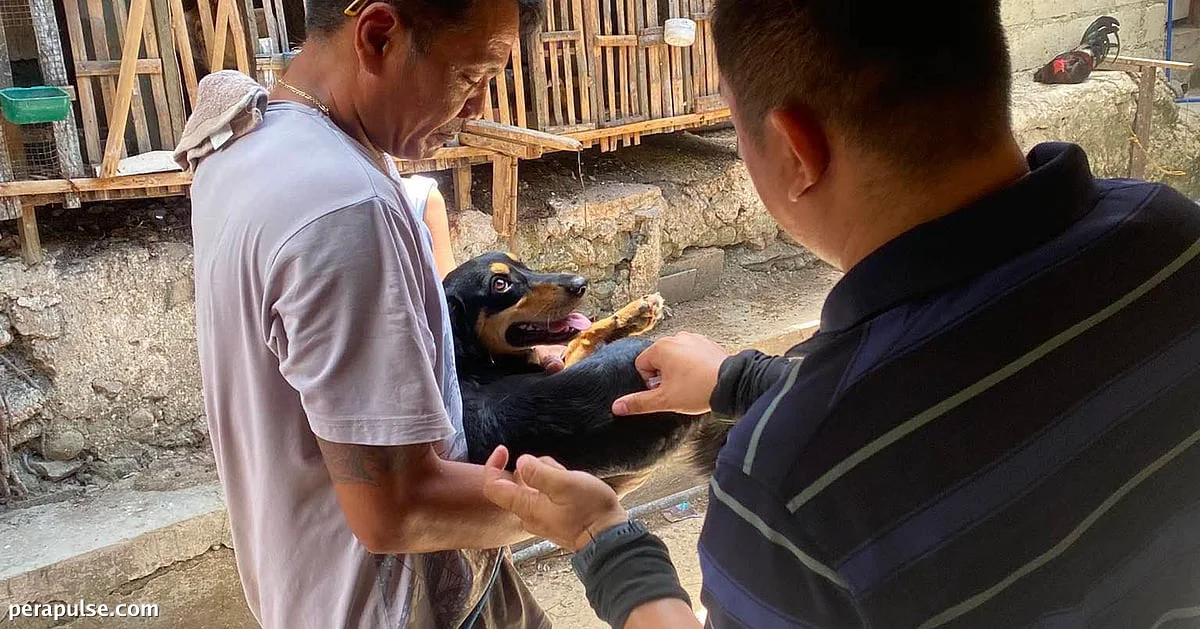
Cebu City is currently facing a significant shortage of anti-rabies vaccines, a situation exacerbated by budget cuts and a recent uptick in rabies cases. The Department of Veterinary Medicine and Fisheries (DVMF) highlights that this shortage comes at a critical time as the city intensifies its vaccination campaigns.
Jessica Maribojoc, head of the DVMF, explained that the city's current vaccine supply gap results from reduced allocations for veterinary biologics and a growing demand driven by rising rabies concerns. As of now, the city requires between 10,000 and 11,000 vaccine vials to meet the necessary vaccination coverage.
The DVMF has already vaccinated 10,903 dogs this year, with the total number of vaccinated animals, including cats, reaching 16,220. However, to achieve the World Health Organization’s (WHO) advised 70% vaccination coverage, an additional 106,180 dogs need vaccination based on the city's 2016 baseline dog population of 167,261.
Strained Resources and Increased Demand
The increased demand for rabies vaccines was also driven by rising rabies cases and the availability of trained vaccinators in the barangays.
Jessica Maribojoc, Head of DVMF
- 10,903 dogs vaccinated so far this year.
- City needs to vaccinate an additional 106,180 dogs to meet targets.
Maribojoc noted that the vaccine shortage was evident at the beginning of her tenure as officer-in-charge. During her previous term, the DVMF had successfully advocated for increased allocations, which helped avoid shortages until 2025. The current situation raises concerns about the city's capacity to manage both vaccination campaigns and stricter pet ownership policies.
This issue was brought to light during a public hearing on a proposed ordinance aimed at improving pet ownership and animal welfare in Cebu City. The ordinance seeks to address rising stray animal concerns and low vaccination rates while promoting responsible pet ownership.
With rabies posing a significant public health risk, the city's response to this vaccine shortage will be crucial in safeguarding both animal and public health. As the demand for vaccines rises, the DVMF is calling for immediate action to secure adequate supplies.