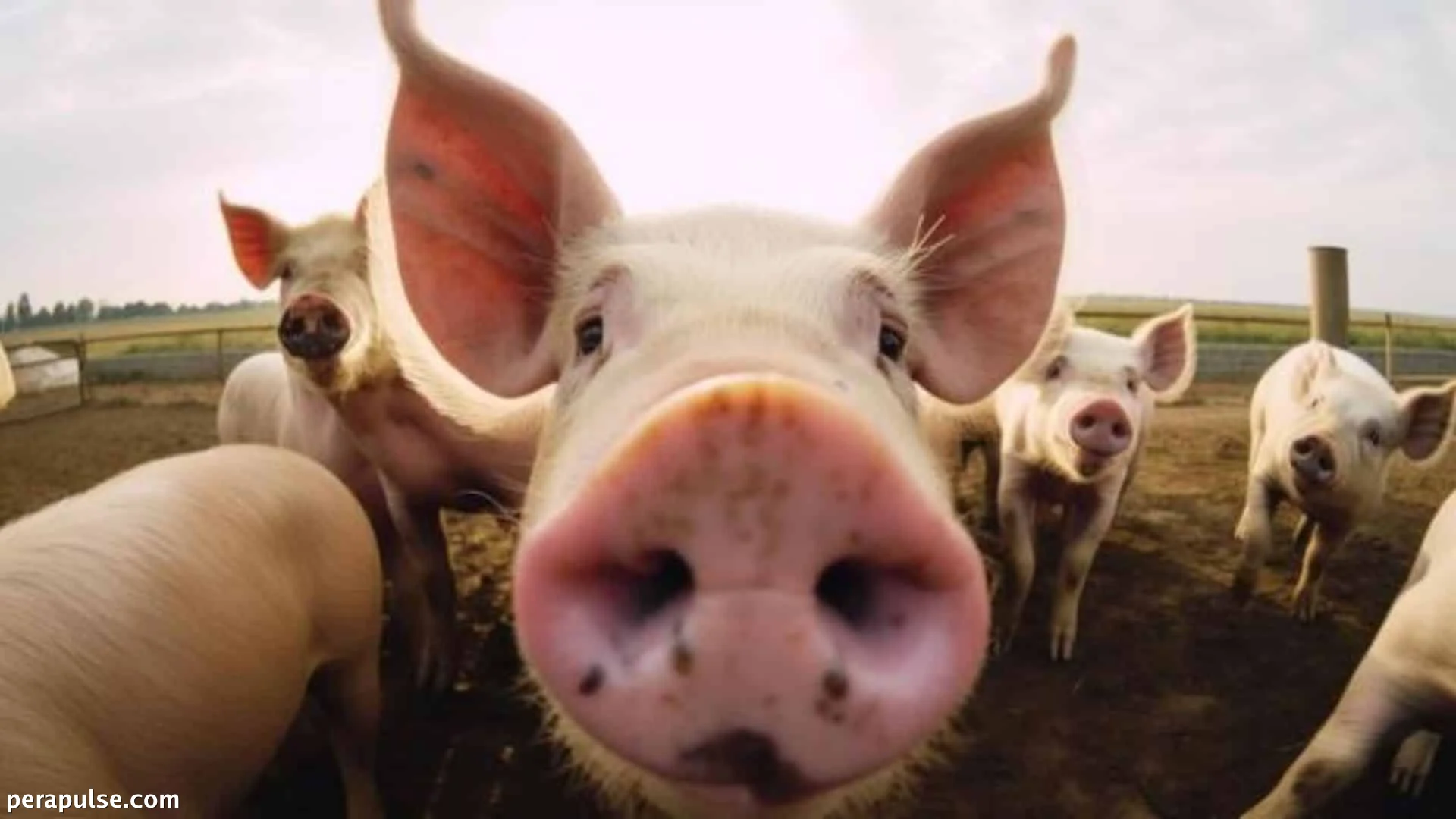
Ipinag-utos ng Cebu City na ang lahat ng mga mangangalakal at tagadala ng baboy ay kinakailangang kumuha ng tiyak na dokumentaryong clearance bago dalhin ang mga buhay na baboy at mga produkto ng karne sa lungsod. Ang desisyong ito ay kasunod ng isang kamakailang hinihinalang kaso ng African Swine Fever (ASF), na mabilis na naagapan ng mga opisyal ng lungsod.
Mahigpit na Mga Hakbang sa Biosecurity na Ipinatupad
Kinakailangan ng mga tagadala na sumunod sa mga kinakailangang dokumentaryo sa ilalim ng Executive Order No. 86, na nilagdaan ni Mayor Nestor Archival.
Cebu City Department of Veterinary Medicine and Fisheries (DVMF)
- Sertipiko ng ASF-Free Status mula sa Provincial Veterinary Office
- Veterinary Health Certificate na may Cebu City bilang destinasyon
- Local Shipping Permit mula sa Bureau of Animal Industry
Ang mga bagong regulasyon, na nakasaad sa isang advisory mula sa Cebu City Department of Veterinary Medicine and Fisheries (DVMF), ay bahagi ng patuloy na pagsisikap na protektahan ang lungsod mula sa ASF. Kinakailangan ng mga tagadala na kumuha ng iba't ibang clearance, kabilang ang:
- Sertipiko ng Pagsusuri ng Karne para sa sariwang karne ng baboy
- Sertipiko ng Pagtanggap mula sa Cebu City DVMF
- Local Shipping Permit para sa mga produktong baboy
Ang mga hakbang na ito ay bilang tugon sa isang kamakailang insidente kung saan isang lokal na piggery ang nag-ulat ng mga sintomas na nagpapahiwatig ng ASF. Kasama sa agarang aksyon ang pagpatay sa mga apektadong baboy at pagtatatag ng quarantine perimeter.
Noong nakaraan, idineklara ng Cebu City na ito ay ASF-free matapos ang mga epektibong estratehiya sa pagpigil. Gayunpaman, ang mga kamakailang pangyayari ay nagha-highlight ng patuloy na panganib na kaugnay ng viral disease na ito, na hindi nagdudulot ng banta sa kalusugan ng tao ngunit maaaring magdulot ng malaking pinsala sa lokal na populasyon ng baboy.
Binibigyang-diin ng pamahalaan ng lungsod ang kahalagahan ng mga regulasyong ito upang pigilan ang pagkalat ng ASF, na maaaring lubos na makaapekto sa lokal na industriya ng karne ng baboy at ekonomiya.