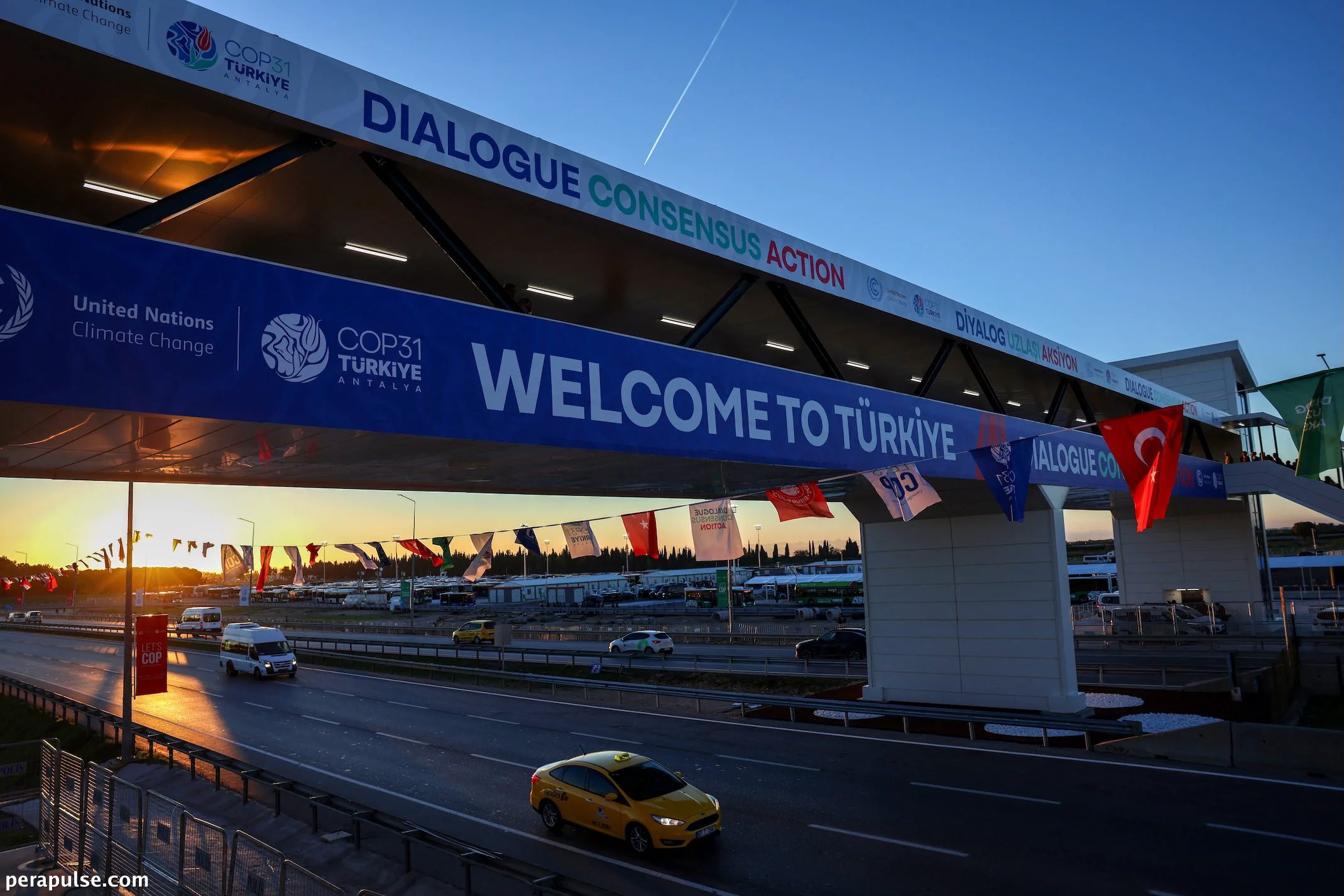
On November 9, 2026, COP31 kicked off in Antalya, Turkey, with leaders urging nations to expedite efforts against climate change. With unprecedented temperature rises and a surge in climate-related disasters, the conference aims to reshape global energy policies.
A Call for Accelerated Climate Action
The urgency of this moment must drive us forward. Progress so far is nowhere near fast enough.
Simon Stiell, UN Climate Change Executive Secretary
- Global temperatures are projected to exceed the 1.5ºC threshold set at the 2015 Paris Agreement.
- 2026 is on track to be one of the hottest years recorded, exacerbated by a powerful El Niño phenomenon.
The summit's main goal is to electrify more than a third of the world economy by 2035, a significant increase from the current fifth. Despite its ambitious target, critics point out that the initiative lacks stringent requirements for sourcing low-carbon energy.
Turkey's COP31 presidency emphasizes that the outcomes of climate discussions should manifest in daily life, such as energy-efficient buildings and affordable clean transport. However, environmental advocates warn that mere electrification, without a transition to low-carbon sources, may not constitute meaningful progress.
The backdrop of this summit includes geopolitical tensions and economic challenges, such as the ongoing Iran war, which has disrupted oil supplies and led to rising fuel prices. This context underscores the urgent need for nations to shift towards renewable energy.
As discussions unfold at COP31, leaders are expected to address the complexities introduced by rapid advancements in AI, which are driving up global energy demands and greenhouse gas emissions.
Chris Bowen, Australia’s president of COP31 negotiations, expressed hope that the conference would reinforce the effectiveness of multilateralism in tackling climate challenges, stating, 'Paris is working, but we must move faster.'