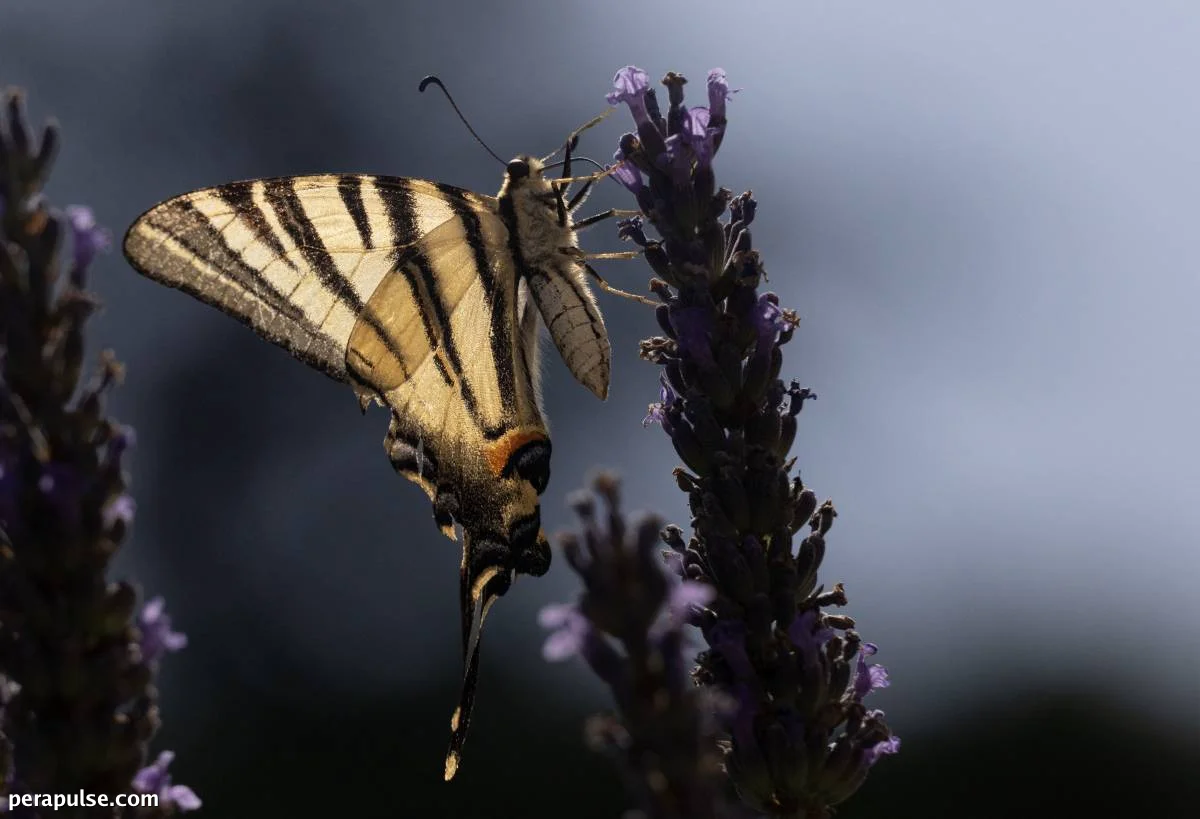
A recent study published in Nature Ecology & Evolution reveals that climate change is significantly altering the habitats of butterfly species worldwide. The research, which examined over 1,700 species across 105 countries, indicates that nearly 80 percent of these shifts are linked to climate-related factors.
Butterflies' Complex Response to Climate Change
"This is rather good news as it proves that butterfly species are capable of migrating and shifting their range to adapt to changes," said Jonathan Lenoir, co-author of the study.
- 80% of butterfly species are expanding their geographic range.
- 27% of species are experiencing contractions in their habitats.
The study highlights that as temperatures rise due to fossil fuel consumption, many butterflies are moving towards northern regions or higher altitudes in search of cooler climates. However, only 22 percent have been observed shifting in elevation.
While the findings suggest a degree of adaptability among butterfly species, Lenoir warns that this ability has limits. He notes that if temperatures rise beyond a certain threshold, many butterflies could face abrupt range reductions, leading to potential extinctions.
The report echoes earlier findings from a 2024 study which predicted that 84 percent of roughly 270 butterfly species in Europe could see their ranges shrink by 2080 if global temperatures continue to climb.
The authors stress the importance of implementing stronger conservation measures, such as protecting and restoring butterfly habitats and promoting ecological corridors. They also highlight the need for improved biodiversity monitoring, particularly through citizen science.
Additionally, the study points out significant knowledge gaps. Currently, only about one in ten butterfly species has documented data on their range changes, with tropical regions remaining largely under-researched.