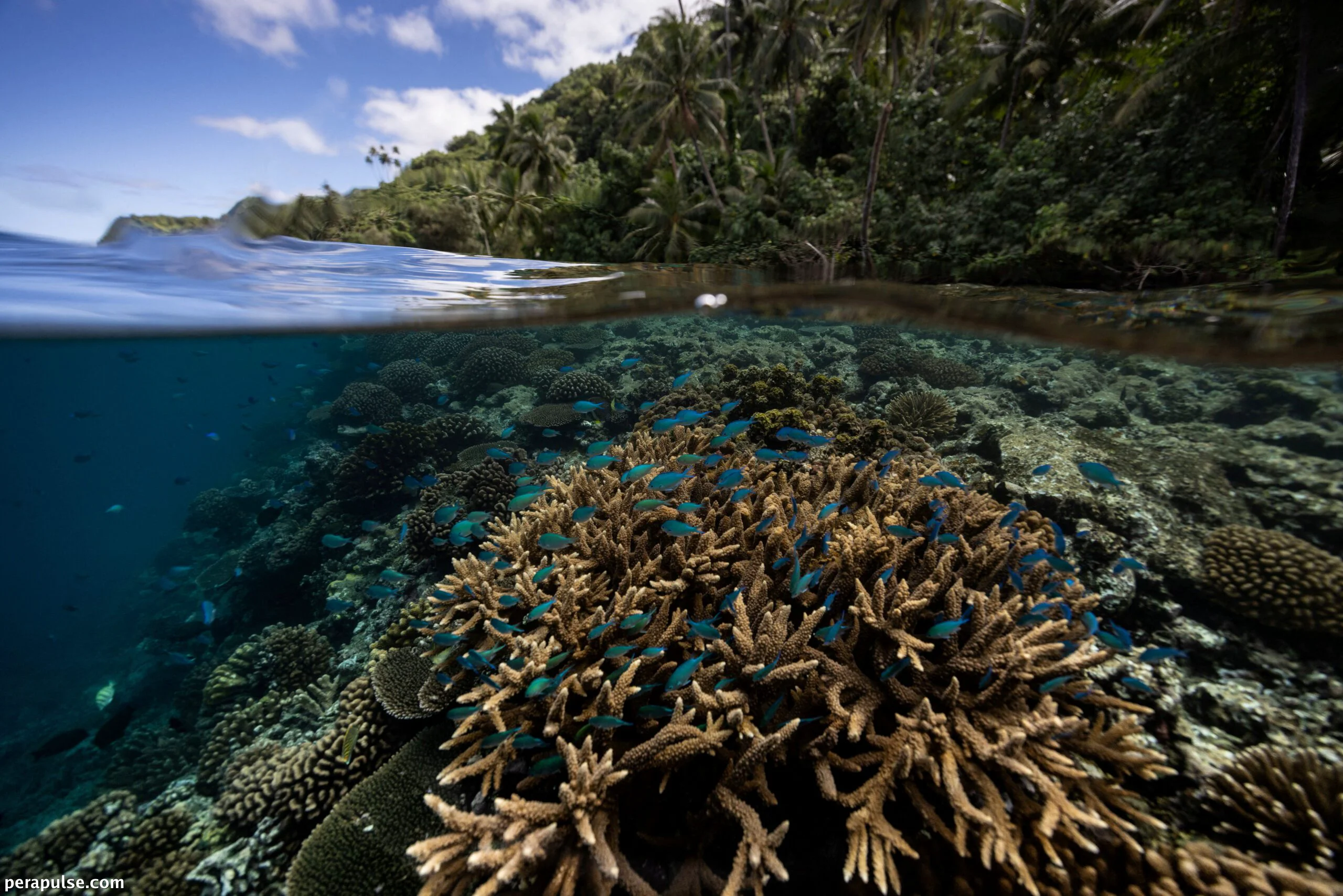
Sa isang makabuluhang pagtuklas, natukoy ng mga siyentipiko ang halos 166,000 square kilometers (64,000 square miles) ng coral reefs na nagpapakita ng katatagan sa pagbabago ng klima. Ang lugar na ito ay tatlong beses na mas malaki kaysa sa mga naunang pagtataya, na nag-aalok ng bagong pag-asa para sa proteksyon ng mga mahahalagang ekosistemang ito.
Mga Tampok ng Pananaliksik sa Climate Resilience
Ang pagsusuri ay batay sa 45,000 coral surveys na pinagsama sa mga dekada ng datos tungkol sa klima at karagatan. Natuklasan nito ang mga coral reef na may katatagan sa klima na nakakalat sa 71 bansa at 100 teritoryo, kabilang ang mga rehiyon na hindi pa nakikilala sa Caribbean at sa Pasipiko.
'Ang mga coral reef ay kadalasang itinuturing na mga ekosistema na hindi na maisasalba. Ipinapakita ng pananaliksik na ito ang kabaligtaran: alam natin kung nasaan ang pag-asa, at ang kailangan natin ngayon ay ang political will,' sabi ni Emily Darling, direktor ng coral conservation sa Wildlife Conservation Society.
- Binibigyang-diin ng pag-aaral ang pangangailangan ng political commitment upang protektahan ang mga ekosistemang ito.
- Tanging 28% ng mga reef sa mundo ang kasalukuyang nasa loob ng mga protektadong lugar, na nagpapakita ng malaking oportunidad para sa konserbasyon.
Habang ang mga bansa ay naglalayong protektahan ang 30% ng kanilang mga lupain at marine environments sa taong 2030, na kilala bilang '30 by 30' initiative, ang mga natuklasan ng pag-aaral na ito ay nagbibigay ng mahalagang datos upang gabayan ang mga aksyon ng gobyerno. Binanggit ni Darling ang pangangailangan na protektahan ang mga reef na ito, lalo na sa nalalapit na super El Niño event.
Itinampok ni Stacy Jupiter, co-author ng pananaliksik, ang potensyal para sa estratehikong pondo batay sa katatagan ng mga tiyak na reef. 'Sa ilang mga kaso, kung saan ang mga reef ay nasa ibaba ng ilang benchmark para sa pag-andar ng ekosistema, maaaring ito ay isang kaso ng triage, kung saan maaaring kailanganin nating iwanan ang mga lugar na iyon,' paliwanag niya.