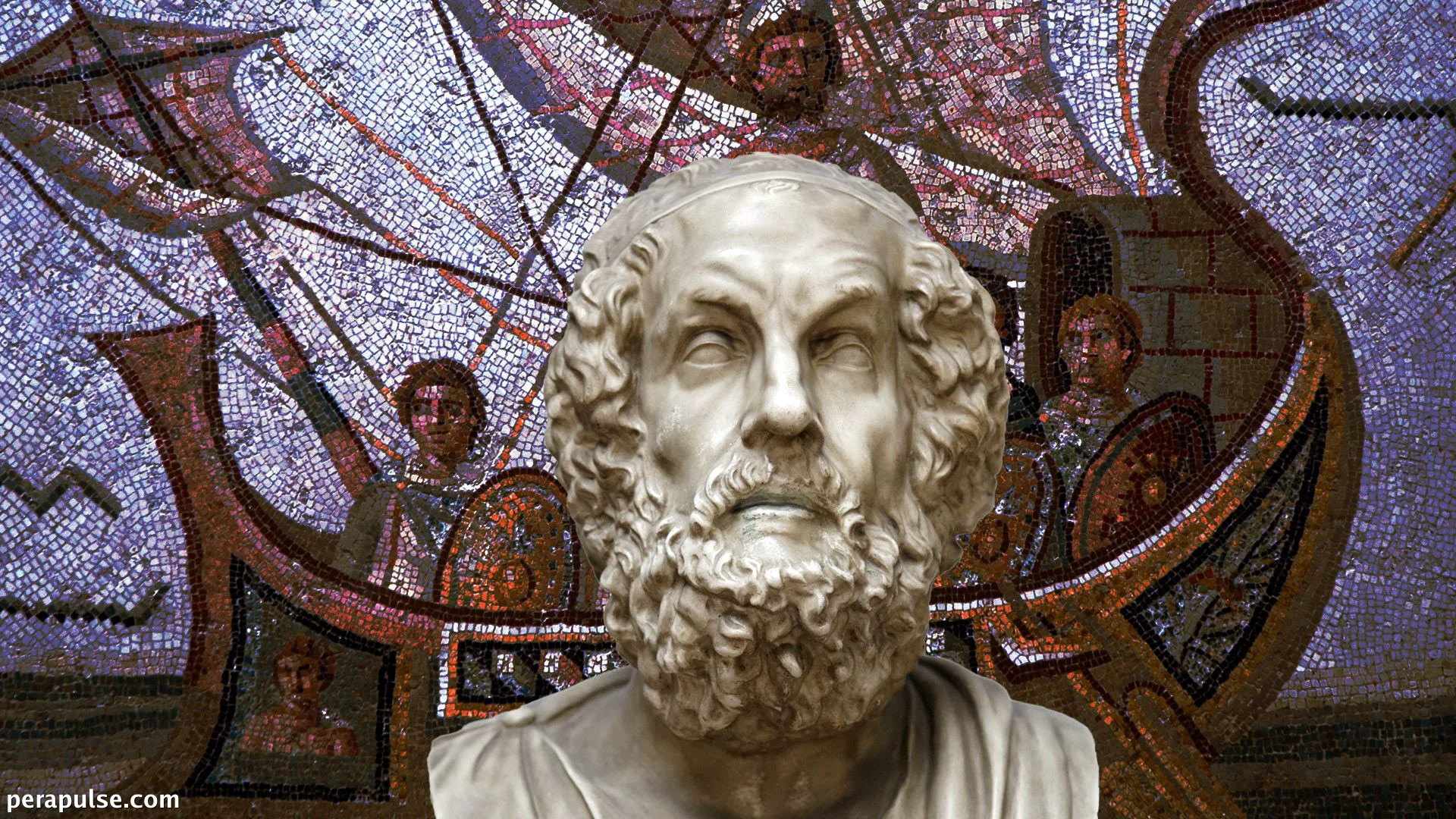
Sa nalalapit na adaptasyon ni Christopher Nolan ng *The Odyssey*, ang Hollywood ay umaabot sa walang panahong diwa ng mga sinaunang kwento. Gayunpaman, ang tunay na kwento ay maaaring nasa kung paano nakikilahok ang Gen Z sa mga naratibong ito, madalas na mas maaga pa kaysa sa mainstream media.
Isang kapansin-pansing halimbawa ay ang pagkahumaling ng isang teenager sa *The Odyssey*, na hindi pinasigla ng mga kurikulum sa paaralan o malalaking pelikula, kundi ng isang umuusbong na online musical adaptation na tinatawag na *Epic*. Ang produksyong ito, na nilikha ni Jorge Rivera-Herrans, ay nakakuha ng atensyon sa pamamagitan ng social media at mga streaming platform, na nagpapakita ng isang bagong modelo ng pagsasalaysay na umaayon sa mas batang mga tagapanood.
Isang Paglipat sa Pakikilahok sa Kwento
Mahalaga sa kanya na ito ay may kahulugan. Mahalagang ito ay buhay. (cite: Vince Rodriguez, Media Professional)
Hindi tulad ng mga nakaraang henerasyon, na madalas na nakatuon sa pagmamay-ari at intelektwal na ari-arian, ang Gen Z ay naghahanap ng koneksyon at pakikilahok sa pagsasalaysay. Ayaw nilang manood lamang; nais nilang makilahok.
Ang pagbabagong ito ay sumasalamin sa mas malawak na uso sa pagkonsumo ng media. Kung saan ang tradisyonal na media ay umuusbong sa isang modelo ng mahigpit na pagmamay-ari at kontrol, ang mas batang mga tagapanood ay nag-uukit ng mga espasyo para sa kanilang sarili sa loob ng umiiral na mga naratibo. Sila ay hindi na mga pasibong mamimili kundi mga aktibong kalahok.
- Mas gusto ng Gen Z ang mga karanasang kwento na nakikipagtulungan.
- Sila ay nakikilahok sa nilalaman sa iba't ibang platform.
- Pinahahalagahan ang pakikilahok kaysa sa pagmamay-ari.
Ang fenomenon ng *The Backrooms*, isang online collaborative universe na isinilang mula sa isang solong imahe, ay nagpapakita ng participatory culture na ito. Ang mga tagahanga sa iba't ibang platform ay nag-aambag sa patuloy na lumalawak na kwento nito, hindi nagtatanong ng 'sino ang nagmamay-ari ng kwentong ito?' kundi 'paano ako makakadagdag dito?'. Ito ay kumakatawan sa isang pagbabalik sa komunal na pagsasalaysay, na kahawig ng kung paano ibinabahagi ang mga naratibo sa mga sinaunang kultura.
Habang patuloy na inaangkop ng Hollywood ang mga klasikal na kwento, ang pag-unawa sa pagbabagong henerasyonal na ito ay maaaring maging mahalaga. Ang hamon para sa mga kumpanya ng media ay nasa paglipat mula sa isang diskarte na nakatuon sa distribusyon patungo sa isang yakap ang pakikipagtulungan at pakikilahok. Ang ebolusyong ito ay maaaring maglaman ng susi sa pag-engganyo sa mga hinaharap na tagapanood.