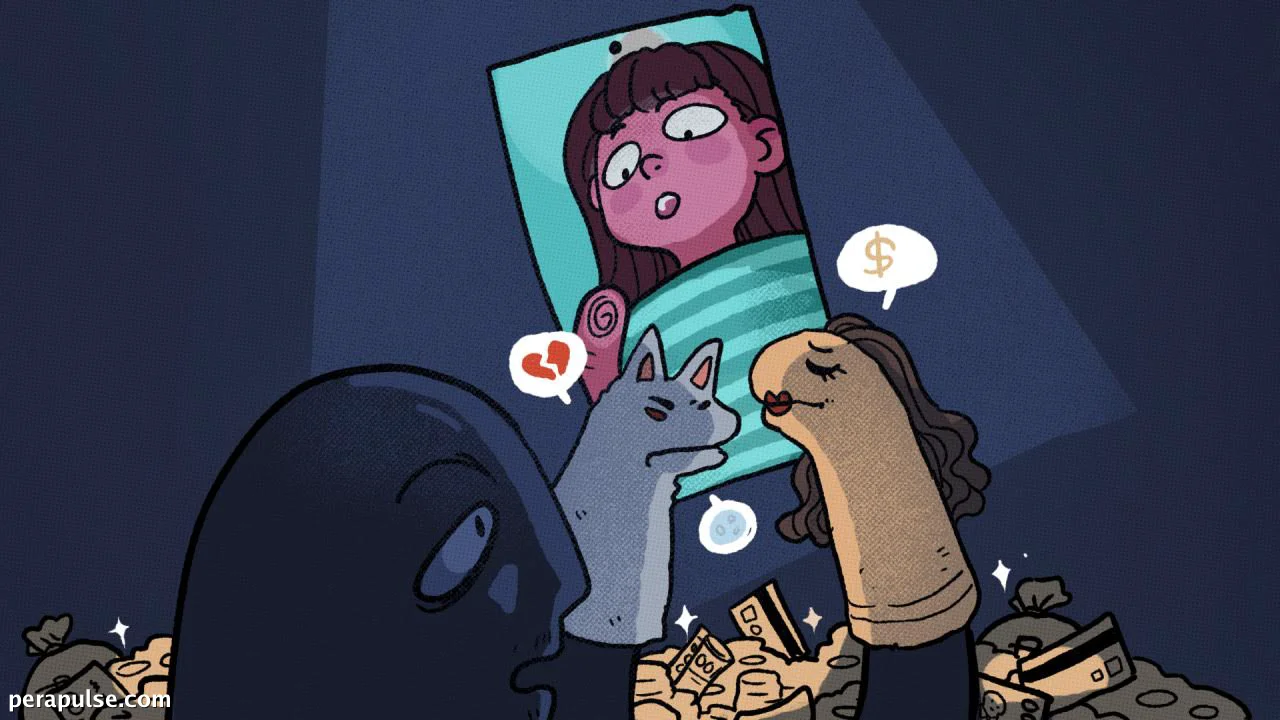
Microdramas are reshaping the way we consume entertainment, presenting short, engaging narratives that leverage behavioral psychology and artificial intelligence (AI) to capture viewers' time and attention.
The Rise of Microdramas
These bite-sized stories, often called *duanju*, originated in China and have rapidly gained popularity worldwide. Unlike conventional television formats that build conflict over 30 to 60 minutes, microdramas deliver quick bursts of drama, often lasting only 60 to 180 seconds.
Microdramas monetize cliffhangers effectively, turning viewer curiosity into revenue.
Industry Analyst
- Platforms like ReelShort and DramaBox require continuous economic decisions from users.
- Microdramas' quick pacing leads to high engagement but can also result in unexpected costs.
In the Philippines, the economic implications are striking. For instance, ReelShort offers subscriptions that can total P1,996 for a month, which surpasses the costs of traditional streaming services like Netflix and Disney+. This pricing model illustrates a shift where consumers pay not just with money, but with their time and attention.
Furthermore, this emerging format poses a challenge to established streaming giants, which traditionally rely on longer, more conventional viewing habits. The allure of microdramas is their ability to hook viewers with rapid-fire storytelling that leaves them wanting more, often at a price.
As AI continues to enhance production capabilities, the microdrama trend may further entrench itself in the entertainment landscape, particularly in Southeast Asia where engagement with short-form content is soaring.
This shift underscores a broader change in viewer preferences, suggesting that the future of media consumption may favor quick, impactful narratives over lengthy episodic series.