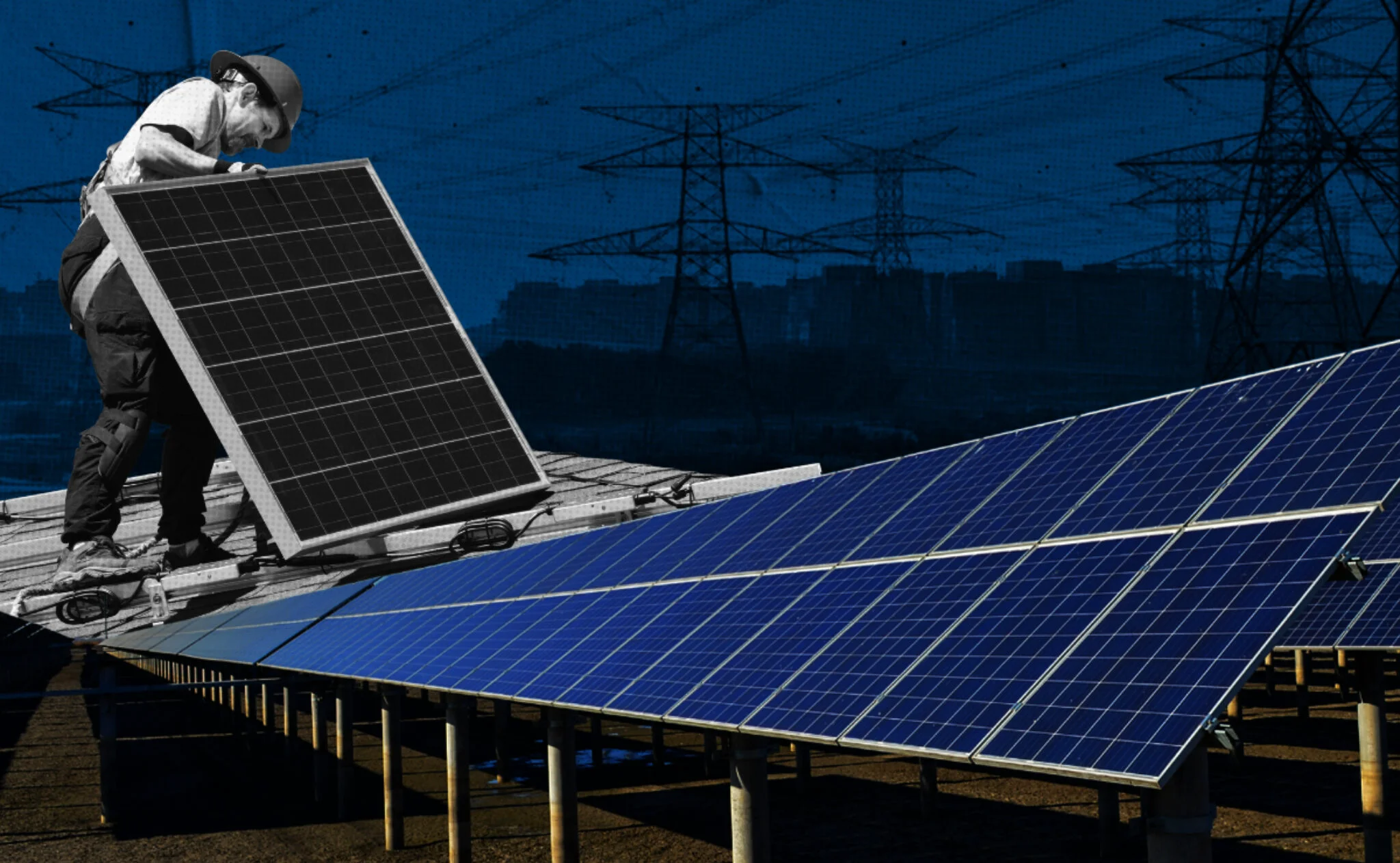
Ang Pilipinas, na pinagpala ng masaganang sikat ng araw, ay nahaharap sa mga hamon sa pagpapalawak ng sektor ng enerhiyang solar. Habang ang mga sambahayan ay naghahanap ng mga alternatibong pinagkukunan ng enerhiya sa gitna ng tumataas na gastos sa kuryente, ang mga mambabatas ay nagtutulak para sa mga imbestigasyon sa mga hindi nakarehistrong solar installer.
Ipinahayag ng ilang mambabatas ang mga alalahanin tungkol sa kaligtasan at pagsunod sa regulasyon sa mga tinatawag na 'guerrilla' solar installer. Ang panukalang ito ay nagpasimula ng debate kung ang pagtaas ng pangangasiwa ay makapagpapabagal sa pagtanggap ng renewable energy sa antas ng sambahayan.
Itinampok ni Dr. Rogelio Alicor Panao, isang propesor sa University of the Philippines Diliman, ang mga kumplikadong sitwasyon. Binanggit niya na ang pag-frame ng isyu ay sumasalamin sa mas malawak na tensyon sa pagitan ng monopolyo at ng demokratikong pag-access sa enerhiya.
Ang label na 'guerrilla' ay hindi lamang nagtatakip ng stigma sa mga mamamayan na naghahanap ng lunas mula sa mataas na rate ng kuryente kundi nagdudulot din ng pagdududa sa mga motibo, dahil nakikinabang ang mga monopolyo sa pagpigil sa desentralisadong kompetisyon.
Dr. Rogelio Alicor Panao
Hindi Nagamit na Potensyal ng Solar
Ayon sa datos ng World Bank, ang Pilipinas ay may malaking potensyal sa solar, na may photovoltaic output na 3.93 kWh bawat kWp bawat araw, na nagraranggo nang pabor sa Timog-Silangang Asya. Gayunpaman, ang potensyal na ito ay hindi naging sanhi ng malawakang pagtanggap ng solar.
Itinuro ni Panao na ang mga bansa na may mataas na potensyal sa solar ay madalas na nahaharap sa mga estruktural na hadlang upang epektibong mapakinabangan ito. Ang Pilipinas, na may Human Development Index (HDI) na humigit-kumulang 0.70, ay halimbawa ng isyung ito.
Kailangang mga Solusyon sa Patakaran
Upang ma-unlock ang potensyal ng enerhiyang solar, iminungkahi ni Panao na dapat tugunan ng gobyerno ang mga umiiral na puwang sa patakaran. Binibigyang-diin niya ang pangangailangan para sa mas pinadaling proseso para sa mga proyekto sa utility-scale at isang sumusuportang kapaligiran para sa mga maliliit na prodyuser.
Partikular, siya ay nagtataguyod para sa pagtat establishment ng mga administratibong 'one-stop shops' para sa mga permit at nananawagan para sa mga patakaran na nagpoprotekta sa mga maliliit na prodyuser sa halip na parusahan sila.
Dagdag pa rito, ang pagpapalakas ng desentralisadong off-grid systems ay mahalaga para maabot ang mga malalayong komunidad at mapabuti ang katatagan ng enerhiya sa mga urban na lugar.
Sa wakas, ang pagpapanatili ng abot-kayang teknolohiya ng solar at pagpapabuti ng integrasyon sa grid ay magiging mahalaga upang maipasa ang enerhiyang solar bilang pangunahing yaman na maa-access ng lahat ng mga Pilipino.